


A devastating toxic spill at a Chinese-owned copper mine in Zambia has ignited a critical test of whether African nations can hold major international investors accountable, particularly China, which has become a dominant economic force on the continent. The incident, which saw an estimated 50,000 tonnes of acidic debris flood waterways and farmland in the Copperbelt Province, has devastated local communities, impacting livelihoods and raising serious health concerns.
The collapse of a tailings dam at the Sino-Metals Leach Zambia mine in February released toxic by-products containing heavy metals like arsenic, mercury, and lead into tributaries of the Kafue River, a vital source of drinking water. Farmers have reported crop destruction, and local residents are increasingly worried about the long-term health implications of consuming contaminated water and food. Environmentalists warn that the full extent of the damage could take over a decade to remediate.
For many Zambians working in the mining sector, like Lamec, who spoke on condition of anonymity, the incident highlights existing safety concerns. He described a lack of adequate protective gear and the risks associated with using damaged equipment. The reliance on Chinese investment for job creation and economic revenue in Zambia, a country heavily dependent on copper exports, places workers like Lamec in a precarious position, balancing their need for employment with their safety and the environmental well-being of their communities.
The Zambian government has initiated an investigation into the dam collapse, with the Chinese embassy in Lusaka welcoming the process and disputing the scale of the reported damage. Beijing maintains that pollution is contained, water acidity levels have normalized, and ongoing checks indicate no lasting public health risks. However, a lawsuit filed by 176 farmers seeking $80 billion in damages alleges that the spill has already affected 300,000 households, pointing to engineering failures and mismanagement as causes.
This landmark lawsuit is being closely watched as a potential precedent for holding Chinese companies accountable for environmental damage in Africa. Experts suggest that the sheer scale of the disaster, coupled with the perceived carelessness involved, makes this case particularly significant. The outcome could influence how other African nations approach similar disputes with powerful foreign investors.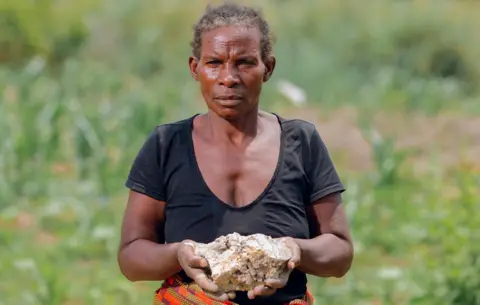
While Sino Metals has stated it is cooperating with the investigation and has provided compensation to some households, questions remain about the adequacy of these measures and the transparency of the process. The Zambian government insists it will not shy away from addressing the issue, despite owing an estimated $5 billion to China, underscoring a commitment to national interest over financial obligations.
Copper mining is the bedrock of Zambia’s economy, contributing significantly to its GDP and exports. With plans to more than triple production by 2031, the industry’s growth is set to continue. However, this expansion must now be balanced against the imperative to prevent further environmental catastrophes and ensure sustainable practices, especially as the rainy season risks exacerbating pollution.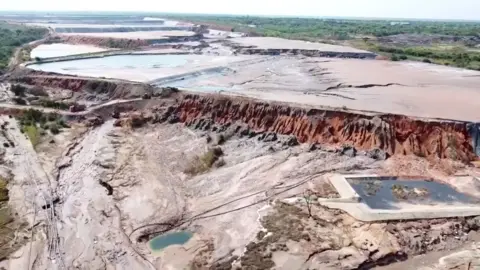
The spill’s long-term impact on agriculture is a major concern for communities like Twalima, where farmers report struggling to grow crops in contaminated soil. The lingering presence of heavy metals in the environment poses a chronic threat, potentially affecting generations to come. Experts warn that without robust remediation efforts, the consequences could be dire and prolonged.
The Zambian government has instructed Sino Metals to implement mitigation measures, including tree planting and the application of lime to reduce acidity, to prevent further pollution. The company has pledged to compensate affected communities and restore the environment, with some locals reporting receiving varying amounts of financial aid. However, concerns linger about the fairness and completeness of these compensation packages.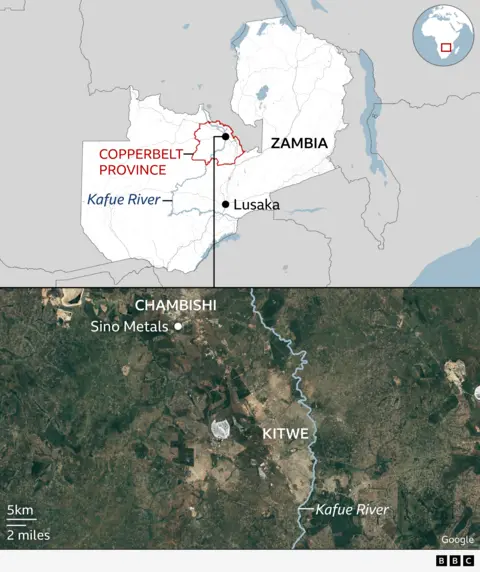
The growing economic and political engagement of the United States with Zambia offers a potential counterbalance to China’s influence. Zambia’s strategic importance in the global transition to cleaner energy, due to its copper and cobalt reserves, positions it as a key player. This dynamic allows Zambia to leverage relationships with multiple superpowers, asserting its agency on the international stage.
African nations are increasingly navigating complex geopolitical landscapes, making strategic choices to meet their developmental needs. While acknowledging that mistakes are made in this evolving process, the continent’s growing integration into the global economy signifies a coming of age. Zambia’s response to the toxic spill will be a crucial indicator of its ability to assert its sovereignty and demand accountability from its international partners.
China, for its part, denies engaging in neocolonial practices in Africa, highlighting its contributions in capital, technology, and job creation. Beijing characterizes its relationship with African countries as mutually beneficial, emphasizing win-win cooperation. The Zambian toxic spill incident, however, presents a stark challenge to this narrative and underscores the ongoing debate about the true cost of foreign investment and development.



![[post_title]](https://samony.com.ng/wp-content/uploads/2025/12/1765552056_Lady-reflects-on-her-past-says-shes-done-with-multiple-300x150.jpg?lm=693C2FBA "Nigerian Woman Shifts from Multiple Dates to Monogamy at 28")
![[post_title]](https://samony.com.ng/wp-content/uploads/2025/12/As-Your-Servant-Here-We-Welcome-You-With-Our-Whole-300x225.jpeg?lm=693C3005 "Rivers State Governor Fubara Joins APC Amidst Chairman Okocha’s Pledge of Support")
![[post_title]](https://samony.com.ng/wp-content/uploads/2025/12/1765552177_Loose-Womens-Judi-Love-issues-health-warning-as-son-taken-300x158.jpg?lm=693C3032 "Judi Love Issues Health Warning Amid Severe UK Flu Surge")




