

![[post_title]](https://samony.com.ng/wp-content/uploads/2025/12/YouTube-bans-two-popular-channels-that-created-fake-AI-movie-1024x576.jpg?lm=694497E1)
YouTube has taken decisive action against two prominent channels, Screen Culture and KH Studio, banning them for creating and distributing fake AI-generated movie trailers that violated the platform’s spam and misleading metadata policies. These channels, which had amassed significant viewership, frequently leveraged popular intellectual properties, particularly those owned by Disney, to produce speculative trailers that sometimes outranked official content in search results. The move underscores the growing tension between the rapid advancements in generative artificial intelligence and the established rules governing content creation, copyright, and platform integrity.
The channels’ methodology involved using AI tools to construct elaborate, often convincing, trailer-style videos for hypothetical films. Screen Culture, for instance, produced 23 AI trailers for “The Fantastic Four: First Steps,” a project that does not officially exist in that form. This practice, while creative in some respects, led to content that YouTube deemed misleading, primarily because it presented non-existent films as authentic upcoming releases, thereby deceiving viewers and potentially manipulating search algorithms. The platform’s policies are designed to ensure content authenticity and prevent the spread of deceptive material that could undermine user trust.
This enforcement comes at a complex juncture for Google, YouTube’s parent company, which has been an enthusiastic proponent of generative AI. Google has actively integrated more AI tools for creators on YouTube and has publicly committed to expanding these capabilities further. This dual approach – promoting AI innovation while simultaneously penalizing its misuse – illustrates the intricate tightrope the tech giant must walk as it navigates the evolving landscape of AI-powered content creation and its ethical and legal ramifications.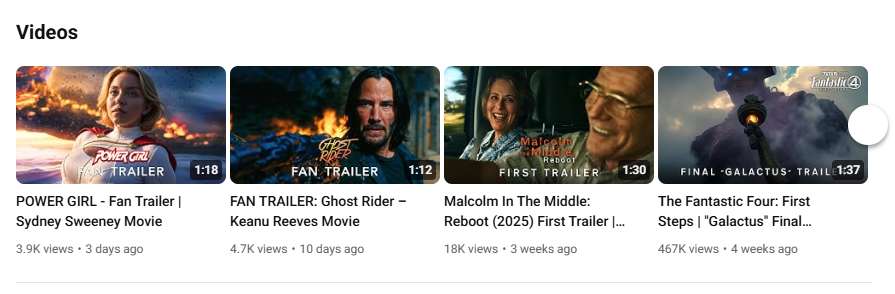
The legal environment surrounding AI-generated content is also rapidly shifting, adding another layer of complexity to YouTube’s decision. Notably, Disney, a primary target of the banned channels’ AI creations, recently forged a significant partnership with OpenAI, integrating its vast library of characters into OpenAI’s Sora AI video application. This collaboration signals Disney’s intent to engage with AI technology proactively for its own creative endeavors and content production.
However, Disney’s engagement with AI is not without its boundaries. Simultaneously with its OpenAI partnership, the entertainment conglomerate issued a cease-and-desist letter to Google, demanding the removal of Disney content from Google’s AI systems. This letter explicitly highlighted concerns about AI-generated Disney content appearing on YouTube, indicating a clear stance against unauthorized use of its intellectual property, regardless of the technological means of creation.
The banned channels, Screen Culture and KH Studio, were particularly prolific in their use of Disney properties, often incorporating recognizable characters, themes, and even snippets from genuine trailers into their AI-generated content. This direct infringement on copyrighted material, combined with the misleading nature of the trailers, likely played a significant role in YouTube’s decision to ban them, aligning with Disney’s expressed concerns about its intellectual property being leveraged by third-party AI systems.
While Screen Culture and KH Studio were among the most prominent purveyors of these fake AI movie trailers, they are not solitary actors in this emerging niche. Numerous other channels on YouTube boast five and six-digit subscriber counts, engaging in similar practices. Some of these channels include disclaimers, indicating their content is “fan-made” or speculative. The question remains whether such disclosures will be sufficient to protect them from similar enforcement actions, especially as platforms and copyright holders increasingly scrutinize AI-generated content.
The broader implications extend to the future of content creation and intellectual property rights in the age of generative AI. Platforms like YouTube face immense pressure to balance innovation with responsibility, ensuring that new technologies do not facilitate widespread copyright infringement or the proliferation of deceptive content. This incident serves as a stark reminder that while AI offers unprecedented creative possibilities, it also introduces significant challenges for content moderation, legal compliance, and the protection of creators’ and studios’ investments.
This situation highlights a critical debate: where do the lines of fair use, parody, and outright infringement lie when AI can effortlessly recreate and manipulate copyrighted material? The bans signal a tightening of enforcement by YouTube, potentially setting a precedent for how the platform will handle AI-generated content that blurs the lines between fan tribute and unauthorized commercial exploitation. Content creators utilizing generative AI must now carefully consider the source material and the potential legal and policy ramifications of their output.
Ultimately, YouTube’s action against these AI trailer channels underscores the evolving regulatory landscape for artificial intelligence. As AI tools become more sophisticated and accessible, platforms, copyright holders, and creators alike are compelled to redefine the rules of engagement. This incident is a clear indication that while AI can amplify creativity, it must operate within established ethical and legal frameworks, particularly concerning intellectual property and the integrity of information presented to the public.


![[post_title]](https://samony.com.ng/wp-content/uploads/2025/12/TikTok-ban-all-the-news-on-the-apps-shutdown-and-300x157.jpg?lm=6944B69A "TikTok US Operations Secure Deal Amid Divestment Law")
![[post_title]](https://samony.com.ng/wp-content/uploads/2025/12/1766109684_NASCAR-US-news-Greg-Biffle-was-much-more-than-a-300x200.jpeg?lm=6944B1F6 "NASCAR Star Greg Biffle’s Legacy Beyond Racing Honored")


![[post_title]](https://samony.com.ng/wp-content/uploads/2025/12/1766108160_Tragic-discovery-in-search-for-missing-student-one-month-after-300x158.jpg?lm=6944AC01 "Body Believed to Be Missing Loughborough Student Aryan Sharma Found")

![[post_title]](https://samony.com.ng/wp-content/uploads/2025/12/1766112037_Trump-gives-federal-workers-two-new-days-off-around-Christmas.jpg?lm=6944BB25 "Trump Grants Federal Workers Extra Christmas Holidays")
![[post_title]](https://samony.com.ng/wp-content/uploads/2025/12/10th-Day-in-Captivity-Bayagan-community-begs-Kwara-govt-police-1024x576.png?lm=69364BDD "Nigeria’s Tax Law Alteration Allegations Trigger Legal Outcry")

![[post_title]](https://samony.com.ng/wp-content/uploads/2025/12/TikTok-ban-all-the-news-on-the-apps-shutdown-and-1024x535.jpg?lm=6944B69A "TikTok US Operations Secure Deal Amid Divestment Law")
