

Meet the Women With the World’s Biggest Boobs: A Critical Look
The quest for the “world’s biggest boobs” is a recurring theme in media. We see stories surface about women celebrated for their large breasts, as well as those who struggle with the associated health and social burdens. This begs the question: what’s driving our fascination with breast size, and what are the real-life implications?
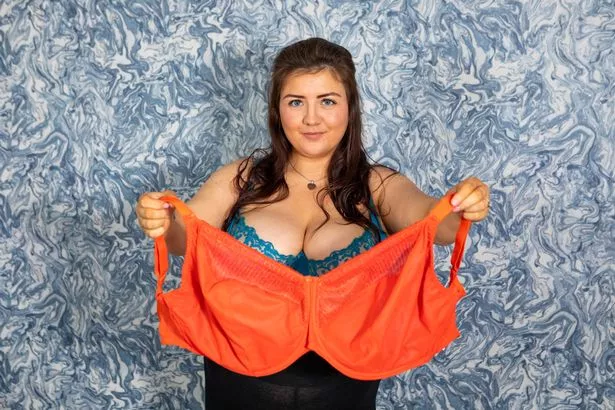
This article highlights several women making headlines for their significant bust sizes. Take Melissa Ashcroft, the Scottish mum believed to have the “biggest boobs in Britain.” Her story isn’t one of glamour, but of chronic pain and limited mobility. She struggles to perform basic tasks, even lifting her baby, and her journey to obtain a breast reduction through the NHS is hampered by BMI restrictions.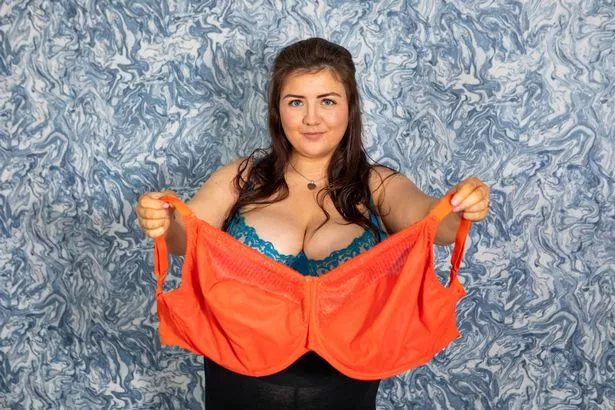 >
>
Yet, on the other end of the spectrum, we have Sonja Kirstiina, a Finnish model who actively pursued a larger bust through cosmetic surgery. She’s seemingly delighted with her enhanced appearance, using her social media to showcase her figure. Her narrative reflects a different perspective, one of empowerment and embracing a self-defined ideal of beauty.
Then there’s Annie Hawkins-Turner, also known as Norma Stitz, a Guinness World Record holder for the largest natural breasts. She turned her distinctive physique into a career in the fetish industry. Despite finding success, her story isn’t without its complexities. Daily life poses challenges, and she faces public scrutiny and unwanted attention. Hawkins-Turner sees herself as “blessed,” but also acknowledges the unique hardships she confronts.
Finally, Chelsea Charms, known for having breasts enlarged through now-illegal string implants, represents the extreme pursuit of a specific aesthetic. The procedure led to continuous growth, health problems and ultimately, a reported breast reduction. Her story serves as a cautionary tale about the potential consequences of drastic cosmetic alterations.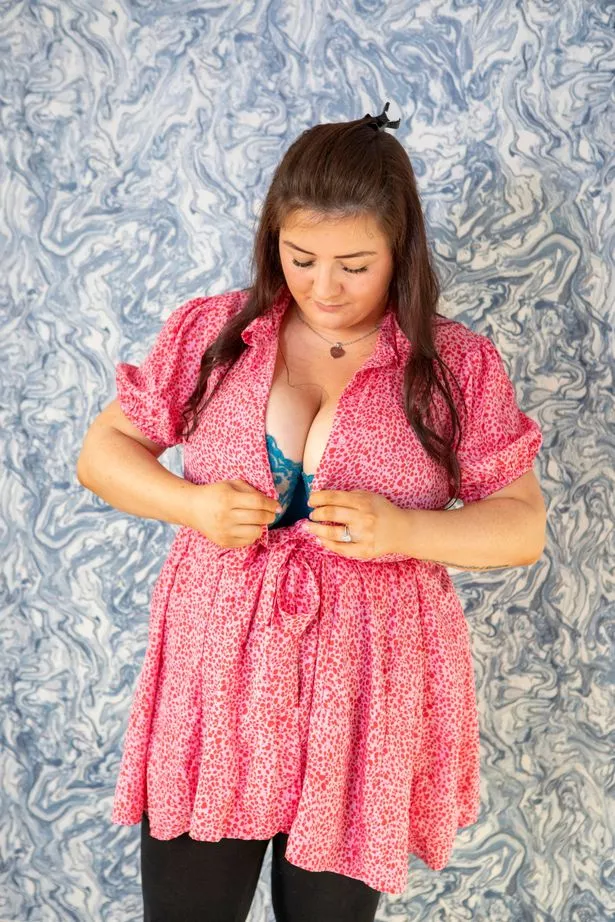 >
>
From my experience, societal pressures play a significant role in shaping perceptions of beauty. We’ve moved through phases of idealizing different body types, and large breasts have often been portrayed as symbols of femininity and desirability. Yet, the reality for women with exceptionally large breasts is often far more nuanced.
It’s worth noting that the media landscape further contributes to the situation. Articles like these, while informative, risk perpetuating the objectification of women’s bodies. They amplify a focus on physical attributes rather than celebrating individual achievements or character.
While some women actively pursue breast augmentation to align with prevailing beauty ideals, others grapple with the physical and emotional challenges that naturally large breasts can bring. What appears glamorous in photos can be a source of constant discomfort and limitation.
This challenge is further complicated by the healthcare system. Access to breast reduction surgery, a procedure that can significantly improve a woman’s quality of life, can be hindered by factors like BMI restrictions. This presents a catch-22 for some women, as the weight of large breasts makes exercise difficult, contributing to a higher BMI and disqualifying them from surgery.
Given these facts, perhaps the discussion should pivot towards promoting body positivity and challenging narrow definitions of beauty. We must encourage a broader understanding of the complexities women face in their relationships with their bodies, regardless of size or shape.
It’s also essential to critically evaluate the role media plays. Do these articles truly empower women, or do they merely contribute to a culture that fixates on physical appearance? By fostering a more nuanced conversation, we can move beyond the surface level and explore the deeper issues at play.
Ultimately, the “world’s biggest boobs” is more than a headline. It’s a reflection of societal values, personal choices, and the ongoing struggle to define beauty on one’s own terms.

![[post_title]](https://samony.com.ng/wp-content/uploads/2025/11/1764480427_Ganduje-fires-back-at-Kano-state-government-over-call-for-300x166.jpg?lm=692BD5AE "Kano Political Feud: Ganduje Targeted Amid Rising Insecurity Concerns?")
![[post_title]](https://samony.com.ng/wp-content/uploads/2025/11/1764491734_Heartbreaking-moment-female-military-officer-collapses-during-parade-300x150.jpg?lm=692C01D9 "Nigerian Officer’s Collapse Sparks Military Welfare Concerns")
![[post_title]](https://samony.com.ng/wp-content/uploads/2025/11/Nenadi-Usman-Led-LP-Faction-Submits-34-Member-Leadership-List-to-INEC-300x174.jpg?lm=692C02AE "Labour Party Leadership Battle: Usman Faction Submits Rival List to INEC")
![[post_title]](https://samony.com.ng/wp-content/uploads/2025/11/1764492234_Eben-Etzebeth-ban-How-many-games-could-Springboks-lock-miss-300x200.jpeg?lm=692C03CD "Rugby’s Ticking Time Bomb: Can the Sport Tackle Discipline Before It Explodes?")
![[post_title]](https://samony.com.ng/wp-content/uploads/2025/11/1764491474_Brits-favourite-candy-has-secret-names-and-youll-never-guess-300x158.jpg?lm=692C00D5 "Wait, Jelly Babies Have Names?! My Childhood Is a Lie!")


![[post_title]](https://samony.com.ng/wp-content/uploads/2025/11/MLS-Cup-2025-is-set-Inter-Miami-vs-Vancouver-Whitecaps.jpg?lm=692C079F "MLS Cup 2025: Inter Miami and Vancouver Whitecaps Clash for the Title")
![[post_title]](https://samony.com.ng/wp-content/uploads/2025/11/1764480427_Ganduje-fires-back-at-Kano-state-government-over-call-for.jpg?lm=692BD5AD "Kano Political Feud: Ganduje Targeted Amid Rising Insecurity Concerns?")
![[post_title]](https://samony.com.ng/wp-content/uploads/2025/11/1764491734_Heartbreaking-moment-female-military-officer-collapses-during-parade-1024x512.jpg?lm=692C01D9 "Nigerian Officer’s Collapse Sparks Military Welfare Concerns")
