D’Tigers’ World Cup Qualification Hopes: A Critical Look at Nigeria’s Basketball Journey
Nigeria’s D’Tigers managed a narrow escape against Rwanda in their recent FIBA Men’s Basketball World Cup African Qualifiers match, securing a 75-69 overtime victory. It’s a win, yes, but it also exposes some deeper issues the team needs to address if they seriously aim for World Cup contention.
Rwanda, a team Nigeria has historically dominated, pushed them to the brink. They even led at halftime. That tells you something right away. While the D’Tigers ultimately prevailed, requiring an extra period to subdue a lower-ranked opponent raises concerns about their consistency and overall performance level.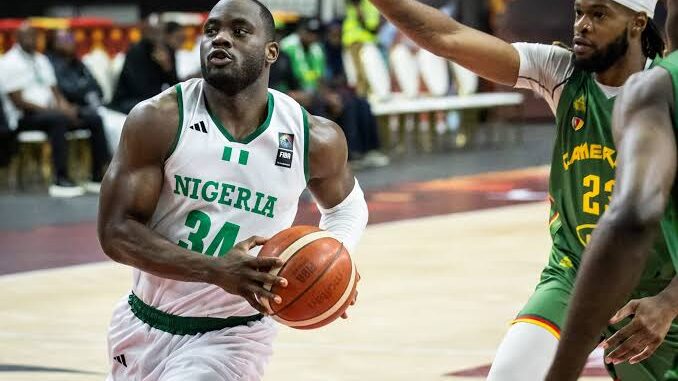 >
>
Let’s be frank. The opening weekend of the qualifiers threw up some surprises. Nigeria’s earlier loss to Tunisia, compounded by a defeat to Guinea, underscores the unpredictable nature of these competitions. Guinea’s strong showing, including a win against the host nation, adds another layer of complexity to Group C. They are not to be written off.
The numbers don’t lie. The D’Tigers, ranked 65th globally, previously routed 90th-ranked Rwanda in AfroBasket qualifiers. These prior results paint a contrasting picture, highlighting a potential dip in form or perhaps an underestimation of their opponents. In any case, the current struggles demand attention.
It’s worth noting that this isn’t unfamiliar territory for Nigeria. The team’s history includes participation in three Olympic Games and three FIBA World Cups. They’ve also grabbed gold at the AfroBasket in 2015. They possess the pedigree, but translating past glory into present success requires more than just reputation.>
Still, Rwanda’s quest for their first-ever World Cup qualification adds an interesting narrative. Their consistent AfroBasket appearances since 2007 demonstrate their ambition, and pushing Nigeria to overtime indicates their growing competitiveness. This development suggests a narrowing gap between established teams and emerging nations in African basketball.
Looking ahead, the next fixtures in July are crucial. Nigeria faces a daunting schedule with matches against Tunisia, Guinea, and Rwanda. These encounters will test their resolve and provide a clearer indication of their World Cup aspirations. The team must address their weaknesses, improve their cohesion, and approach each game with unwavering focus.
The current standings paint a stark picture: Guinea leads the group, followed by Tunisia, Nigeria, and Rwanda. Nigeria’s negative point differential reflects their struggles. They need to turn things around quickly if they want to climb the ranks.
One can’t dismiss the impact of team dynamics. The D’Tigers need to rediscover the chemistry and dominance that characterized their past successes. This involves effective coaching strategies, player development, and a renewed commitment to excellence.
The challenges are multifaceted. From tactical adjustments to player morale, numerous factors can influence the team’s performance. A balanced approach that addresses both on-court and off-court issues is essential for sustained success.
It is important to think about the broader context. African basketball is evolving. The rise of teams like Guinea and Rwanda signals a shift in the competitive landscape. Nigeria must adapt to these changes and embrace innovation to maintain their position as a leading basketball nation.
Consider this: the reliance on past achievements can be a double-edged sword. While it provides inspiration, it can also breed complacency. The D’Tigers need to strike a balance between honoring their legacy and embracing the challenges of the present.
Let’s be practical. Securing victories in the upcoming July window is not just about points; it’s about restoring confidence and momentum. The team needs to demonstrate a clear improvement in their gameplay and a renewed determination to succeed.
The path to the World Cup is not paved with promises. It demands hard work, strategic planning, and a collective commitment from players, coaches, and stakeholders. The D’Tigers have the potential to achieve their goals, but they must overcome their current struggles and embrace the journey ahead.
These things often come down to resilience. Bouncing back from setbacks, learning from mistakes, and maintaining a positive mindset are crucial for navigating the challenges of competitive basketball. The D’Tigers must cultivate these qualities if they want to realize their World Cup dreams.
For what it’s worth, I’ve seen teams in similar positions before. The ability to adapt, evolve, and stay hungry is what separates contenders from pretenders. Nigeria has the talent; they now need to harness it effectively.

![[post_title]](https://samony.com.ng/wp-content/uploads/2025/12/1764572792_Labour-MP-sentenced-to-two-years-in-prison-after-major-300x158.jpg?lm=692D3E79 "Labour MP sentenced to two years in prison after major corruption scandal")

![[post_title]](https://samony.com.ng/wp-content/uploads/2025/12/Mystery-as-Man-Killed-and-Body-Dumped-along-Busy-Highway-300x201.jpeg?lm=692D2FFD "Mystery as Man Killed and Body Dumped along Busy Highway in Suspected Love Gone Wrong")
![[post_title]](https://samony.com.ng/wp-content/uploads/2025/12/How-A-TikTok-Video-Cost-A-Young-Lady-Her-Dream-300x182.png?lm=692D3786 "How A TikTok Video Cost A Young Lady Her Dream Job Just Days After Being Hired")

![[post_title]](https://samony.com.ng/wp-content/uploads/2025/12/1764570965_Major-high-street-brand-with-50-stores-set-to-be-300x158.jpg?lm=692D3758 "Major high street brand with 50 stores set to be taken over by WHSmith’s new owners")

![[post_title]](https://samony.com.ng/wp-content/uploads/2025/12/Roblox-The-Forge-Codes-November-2025.png?lm=692D3E34 "Roblox The Forge Codes November 2025")
![[post_title]](https://samony.com.ng/wp-content/uploads/2025/12/1764572792_Labour-MP-sentenced-to-two-years-in-prison-after-major-1024x538.jpg?lm=692D3E79 "Labour MP sentenced to two years in prison after major corruption scandal")