

![[post_title]](https://samony.com.ng/wp-content/uploads/2025/12/1766152193_Wiz-Khalifa-Gets-9-Month-Prison-Sentence-in-Romania-for-Sm0king.jpeg?lm=69455801)
American rapper Wiz Khalifa, whose real name is Thomaz Cameron Jibril, faces a nine-month prison sentence in Romania after the Constanța Court of Appeal overturned an earlier fine, ruling he must serve time for smoking cannabis on stage. The incident occurred last July during his performance at the Beach, Please! festival in Costinești, sparking a legal battle that highlights the complexities of international drug laws and celebrity conduct.
Khalifa openly admitted to smoking a joint during his set, expressing regret and stating he had no intention to offend the host nation. This admission, however, did not prevent the prosecution from pursuing a more stringent penalty, arguing against the initial financial sanction imposed by a lower court.
Prosecutors vehemently appealed the initial 3,600 Romanian lei (approximately $829 USD) fine, contending that Khalifa’s public act sent a “message of normalisation of illegal conduct.” They asserted that such high-profile actions could actively encourage drug use, particularly among impressionable young audiences attending music festivals.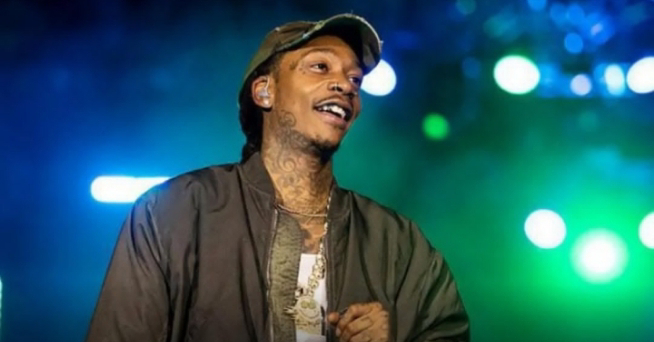
The Constanța Court of Appeal’s decision is definitive, marking a significant escalation from the initial monetary penalty. This ruling underscores Romania’s strict stance on drug offenses, irrespective of the perpetrator’s celebrity status or the varying legal landscapes found in other countries.
Despite the finality of the Romanian court’s verdict, legal experts widely believe that Khalifa is unlikely to serve the sentence in custody. The primary hurdle lies in the intricate process of international extradition, where Romania’s negotiating power for such an offense against a US citizen is considered limited.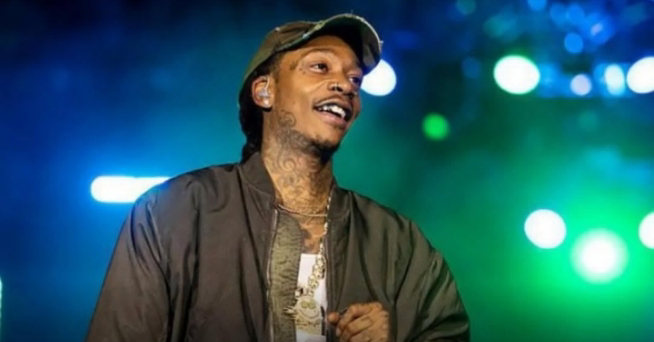
The situation is further complicated by the evolving legal status of cannabis in the United States, where recreational use is legal in many states. This stark contrast with Romania’s stringent anti-drug laws creates a challenging diplomatic and legal dilemma for any potential extradition request.
Since the incident, Khalifa has maintained an active public profile, including performing in the US and openly engaging in cannabis use, as recently observed during a live stream on Twitch. His legal team is actively exploring all available avenues to circumvent the Romanian court’s mandate, focusing on the practical challenges of enforcing such a sentence across international borders.
This case serves as a stark reminder for international artists about the imperative of understanding and adhering to local laws when performing abroad. The varying global legal frameworks for substances like cannabis can lead to significant repercussions, even for acts considered minor in their home countries.
Romania, as a member of the European Union, generally aligns with the bloc’s stricter drug policies, categorizing cannabis as an illegal substance. The country’s judicial system often takes a firm stance on public drug consumption, aiming to deter both recreational use and any perceived promotion of illicit activities, especially by public figures.
Khalifa’s legal representatives are expected to engage in a complex process, potentially involving diplomatic channels and legal appeals within the US system, should Romania initiate extradition proceedings. Such battles can be protracted, often involving intricate arguments about jurisdiction and international legal precedents, making a swift resolution unlikely.
The ultimate enforcement of the Romanian sentence remains highly uncertain. While the verdict stands, the practicalities of compelling a US citizen to serve time in a foreign prison for a non-violent drug offense, particularly given the differing legal perspectives, present considerable challenges for both nations, potentially leading to a diplomatic stalemate.
The case of Wiz Khalifa in Romania encapsulates a broader international legal conundrum: how countries reconcile their sovereign laws with global artistic freedom and the diverse legal statuses of substances across borders. It sets a precedent for how such high-profile incidents are navigated in an increasingly interconnected world, highlighting the ongoing tension between national sovereignty and international celebrity culture.


![[post_title]](https://samony.com.ng/wp-content/uploads/2025/12/Why-do-we-love-a-spooky-ghost-story-at-Christmas.jpeg?lm=69455331 "Christmas Ghost Stories: Unpacking the Psychology of a Festive Tradition")
![[post_title]](https://samony.com.ng/wp-content/uploads/2025/12/1766151171_Honda-wouldnt-even-be-in-top-10-without-mid-year-engine-300x200.jpg?lm=69455406 "Honda’s 2025 MotoGP Season Transformed by Crucial Engine Upgrades")
![[post_title]](https://samony.com.ng/wp-content/uploads/2025/12/1766151464_Anthony-Joshua-vs-Jake-Paul-ring-girl-is-perfect-model-300x158.png?lm=6945552B "Marissa Ayers: Rising Star and Ring Girl at Joshua-Paul Bout")
![[post_title]](https://samony.com.ng/wp-content/uploads/2025/12/Bangladesh-Violence-continues-after-youth-protest-leaders-death-300x169.jpg?lm=69455087 "Bangladesh: Media Outlets Attacked Amidst Ongoing Unrest")
![[post_title]](https://samony.com.ng/wp-content/uploads/2025/12/1766149667_Aitch-reveals-sweet-gesture-to-sister-after-Im-A-Celeb-300x158.jpg?lm=69454E25 "Aitch Fulfills Heartfelt Promise to Sister After Reality TV Stint")

![[post_title]](https://samony.com.ng/wp-content/uploads/2025/12/Buhari-described-Osinbajo-as-man-for-the-job-supported-presidential-1024x614.jpg?lm=69455923 "Buhari Backed Osinbajo for President, Aide Claims, Denying Book")
