

![[post_title]](https://samony.com.ng/wp-content/uploads/2025/12/Complaints-about-Windows-11s-fix-for-File-Explorer-sluggishness-are-1024x576.jpeg?lm=692D8C91)
Windows 11 File Explorer Fix: A Patch or a Real Solution?
Microsoft’s Windows 11 has faced criticism, especially about File Explorer’s sluggishness. Recently, a “fix” rolled out in preview, aiming to accelerate folder opening by preloading File Explorer. Early tests seem promising, yet the entire situation highlights deeper issues within the OS.
File Explorer is essential. It’s the engine powering every folder you open. Since Windows 11’s debut, users have decried its slowness. It’s taken Microsoft a while to react. The proposed solution involves preloading File Explorer at startup. Windows Latest put this to the test. >
>
The results look good. The video comparison is revealing. Windows 11’s initial File Explorer launch is visibly faster with the fix. Without it, expect a full two seconds before everything loads. The fix slashes about two-thirds of a second from that. I think that is significant. In some heavily loaded scenarios, performance gains become more noticeable.
There’s a tradeoff. Windows Latest points out the fix increases RAM usage – 67MB versus 32MB. Is it worth it? Windows Latest thinks so. Still, questions linger.
Others aren’t as charitable. Some claim the speed boost is “minimal” and the RAM usage doubled. Such statements, honestly, appear overstated. Doubling a tiny amount of RAM usage isn’t really a problem. Cynicism towards Microsoft feels a bit excessive.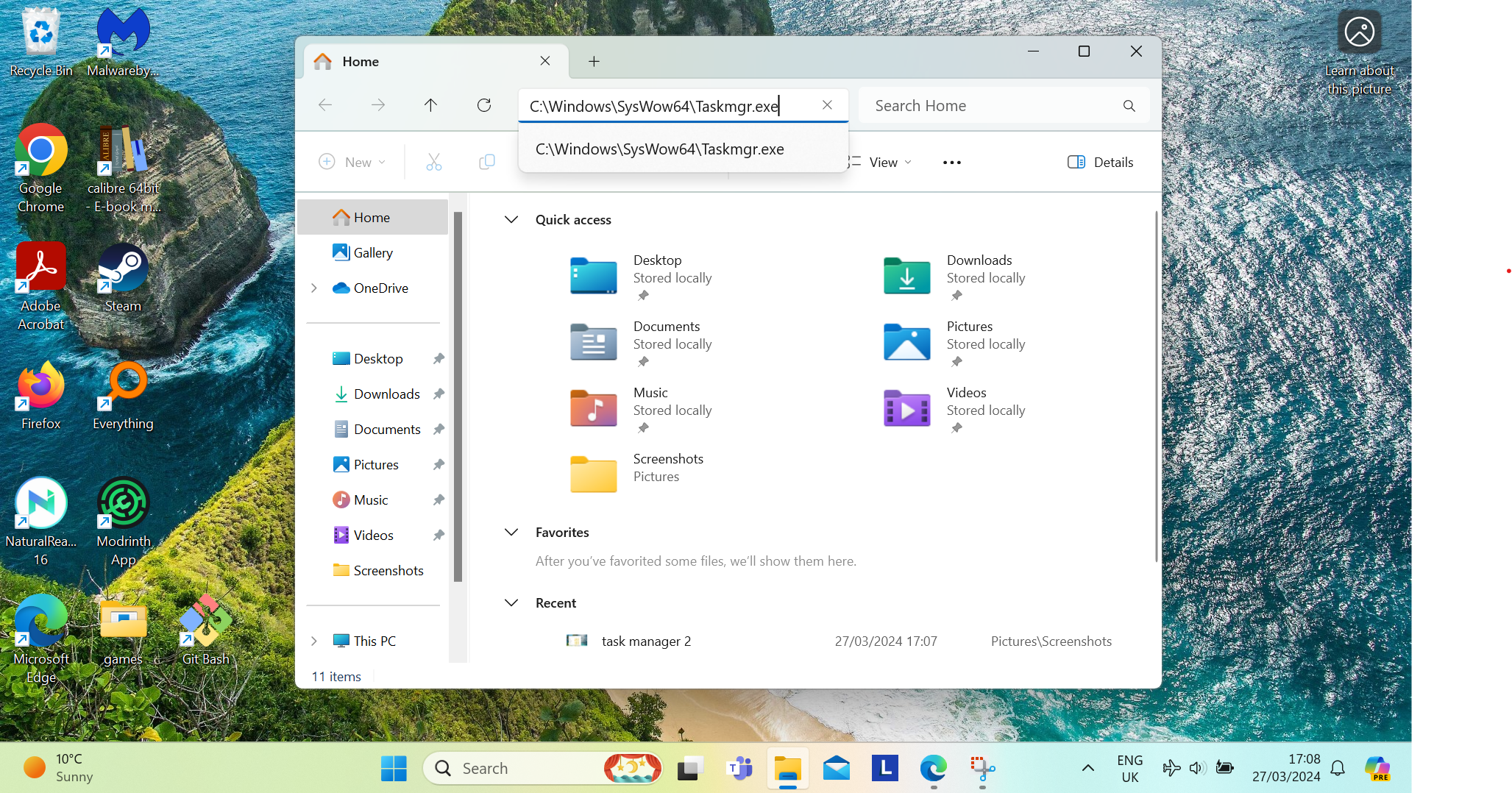 >
>
The RAM consumption, while small, reveals a systemic flaw. Microsoft is preloading File Explorer. It launches in the background, ready to go when you click a folder. Performance improves, sure. But preloading more and more components? System resources could eventually suffer. This fix, then, is more of a quick workaround than a definitive resolution.
What Windows 11 needs is a fundamentally smoother File Explorer. Not just faster startup. But addressing all those overall performance frustrations. Will this happen? Let’s hope. Currently, it seems Microsoft prefers haphazard patches over cohesive planning for system-wide performance boosts.
Is this how to handle a flagship operating system? Probably not. How did File Explorer even ship in this state? One can’t help but think they prioritized new features, like cloud syncing, at the expense of performance, on a tight schedule. It is an observation that has been proven over time.
One can’t deny this new fix has merit. As a single tweak, it gives a worthwhile speed increase, with a reasonably light RAM impact, based on current testing. Further testing will tell the tale. For now, the preloading fix lives up to its promise. Still, one wonders if Microsoft should have approached this issue from a more systemic perspective.
The criticisms, at times, appear to miss the mark. Claiming the fix doesn’t address overall sluggishness, when it specifically targets startup speed, seems unfair. It is essential to be objective. The focus here needs to be on whether or not it works, and to what extent.
This situation echos patterns I’ve witnessed over the years in the tech industry. Band-aid solutions often take precedence when deadlines loom. Real fixes demand deeper architectural changes. These changes, however, take time and money. The pressure to release features can overshadow the need for fundamental optimizations.
From my point of view, this File Explorer fix is a step in the right direction. It’s just a single step, however. Microsoft needs to commit to a more holistic approach to Windows 11 performance. Preloading alone won’t cut it. The core OS demands deeper optimization. Only then will these piecemeal fixes evolve to become a truly solid user experience. Users aren’t looking for more ‘fixes,’ they desire an OS that hums without them in the first place.

![[post_title]](https://samony.com.ng/wp-content/uploads/2025/12/Hes-irreplaceable-Northern-Elders-Forum-mourns-Sheikh-Dahiru-Bauchi-300x300.jpg?lm=692D86E1 "Sheikh Dahiru Bauchi’s Death: Northern Nigeria Mourns Loss of Influential Islamic Leader")
![[post_title]](https://samony.com.ng/wp-content/uploads/2025/12/1764591412_Tommy-Fury-drops-a-stone-in-a-week-as-he-300x158.jpg?lm=692D8737 "Tommy Fury’s Illness Exposes Fragility Behind Influencer Image.")

![[post_title]](https://samony.com.ng/wp-content/uploads/2025/12/1764591206_Rubens-painting-of-crucifixion-fetches-2m-at-auction-in-Versailles-300x200.jpg?lm=692D8669 "Rediscovered Rubens Sells Big: Art Market Implications")

![[post_title]](https://samony.com.ng/wp-content/uploads/2025/12/1764589596_Premium-Bonds-savers-urged-to-check-numbers-as-December-prize-300x158.gif?lm=692D801F "December Premium Bond Winners: Luckiest Savers, or Clever Strategy?")

![[post_title]](https://samony.com.ng/wp-content/uploads/2025/12/Coronation-Merchant-Bank-Confirms-Paul-Abiagam-As-Managing-Director.jpg?lm=692D8D97 "Coronation Merchant Bank Appoints Abiagam MD: Strategy Shift or Business as Usual?")
![[post_title]](https://samony.com.ng/wp-content/uploads/2025/12/Hes-irreplaceable-Northern-Elders-Forum-mourns-Sheikh-Dahiru-Bauchi.jpg?lm=692D86E0 "Sheikh Dahiru Bauchi’s Death: Northern Nigeria Mourns Loss of Influential Islamic Leader")
![[post_title]](https://samony.com.ng/wp-content/uploads/2025/12/1764591412_Tommy-Fury-drops-a-stone-in-a-week-as-he-1024x538.jpg?lm=692D8737 "Tommy Fury’s Illness Exposes Fragility Behind Influencer Image.")
