


New research reveals a significant challenge for individuals relying on popular weight-loss injections: the rapid tendency for weight loss jabs regain weight once treatment ceases. This finding underscores the critical need for sustained, long-term support and comprehensive lifestyle adjustments beyond the medication itself. For many, these powerful pharmaceutical tools offer a promising path to significant initial weight reduction, but the journey to maintaining that progress is often more complex than anticipated.
A recent University of Oxford study, published in the British Medical Journal, meticulously analyzed data from 37 trials involving over 9,000 participants. These individuals, treated with medications such as semaglutide (marketed as Wegovy) and tirzepatide (Mounjaro) for an average of 10 months, were subsequently followed for approximately eight months after discontinuing their course of treatment. The results provide crucial insights into the long-term effectiveness of these drugs.
On average, participants using these weight-loss drugs initially achieved an impressive reduction of 8.3kg. However, the study alarmingly showed that they regained an average of 4.8kg within just one year of stopping treatment, effectively returning to their original weight within about 1.7 years. This pattern highlights a transient benefit for many, suggesting that the physiological changes induced by the medication may not persist without ongoing intervention.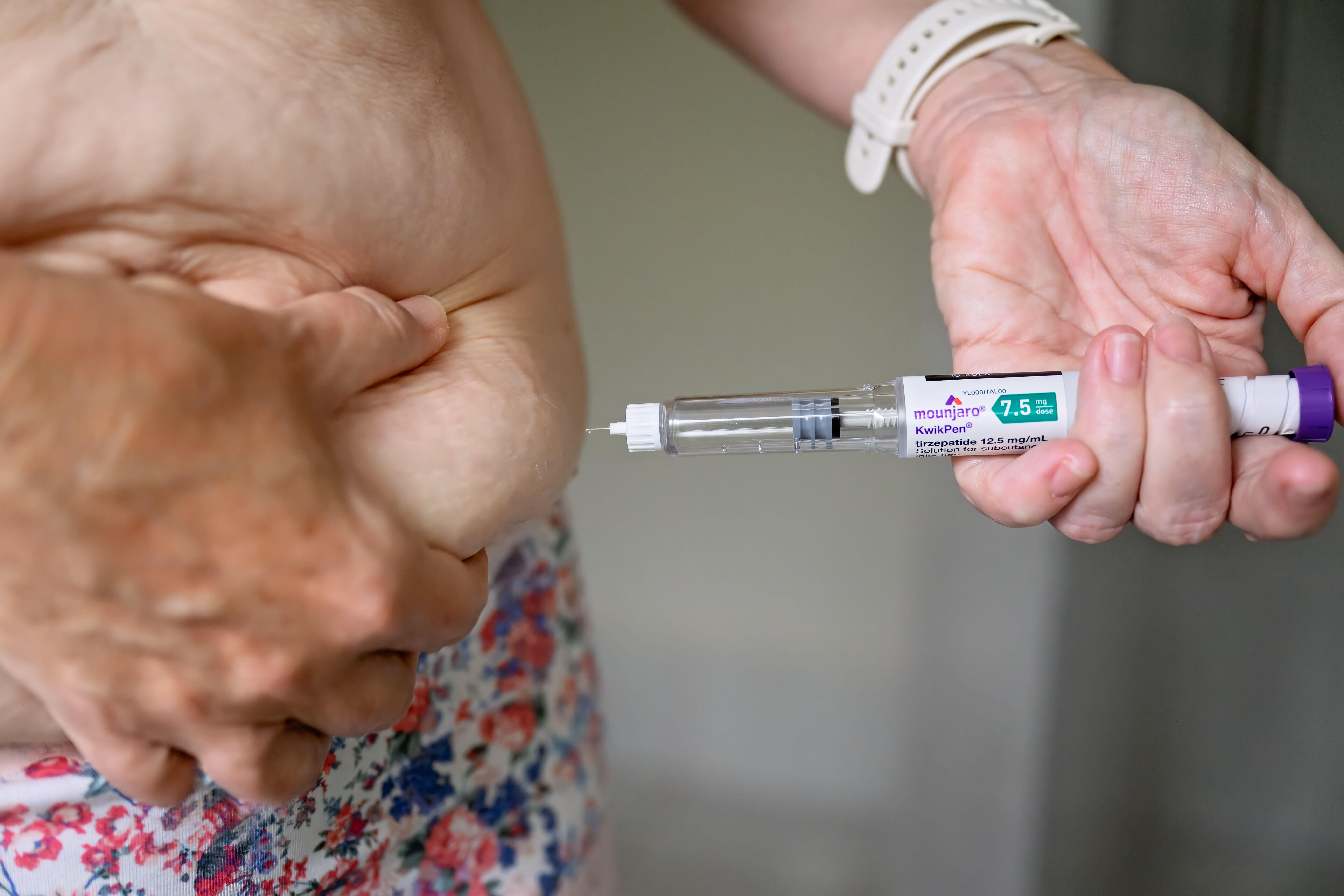
What happens to your body when you stop weight loss injections? When individuals cease weight loss jabs like GLP-1 agonists, appetite typically returns, and gastric emptying speeds up, leading to increased hunger. Research indicates most people will regain a significant portion of the lost weight, with associated health benefits like improved blood sugar and cholesterol levels also diminishing.
Crucially, the research also revealed that associated health improvements, such as better blood sugar and cholesterol levels, diminished after treatment concluded. All cardiometabolic markers reverted to their baseline within roughly 1.4 years. This emphasizes the temporary nature of these health benefits without continued intervention or the adoption of protective lifestyle habits. Understanding what happens after stopping GLP-1 is vital for patients and practitioners alike.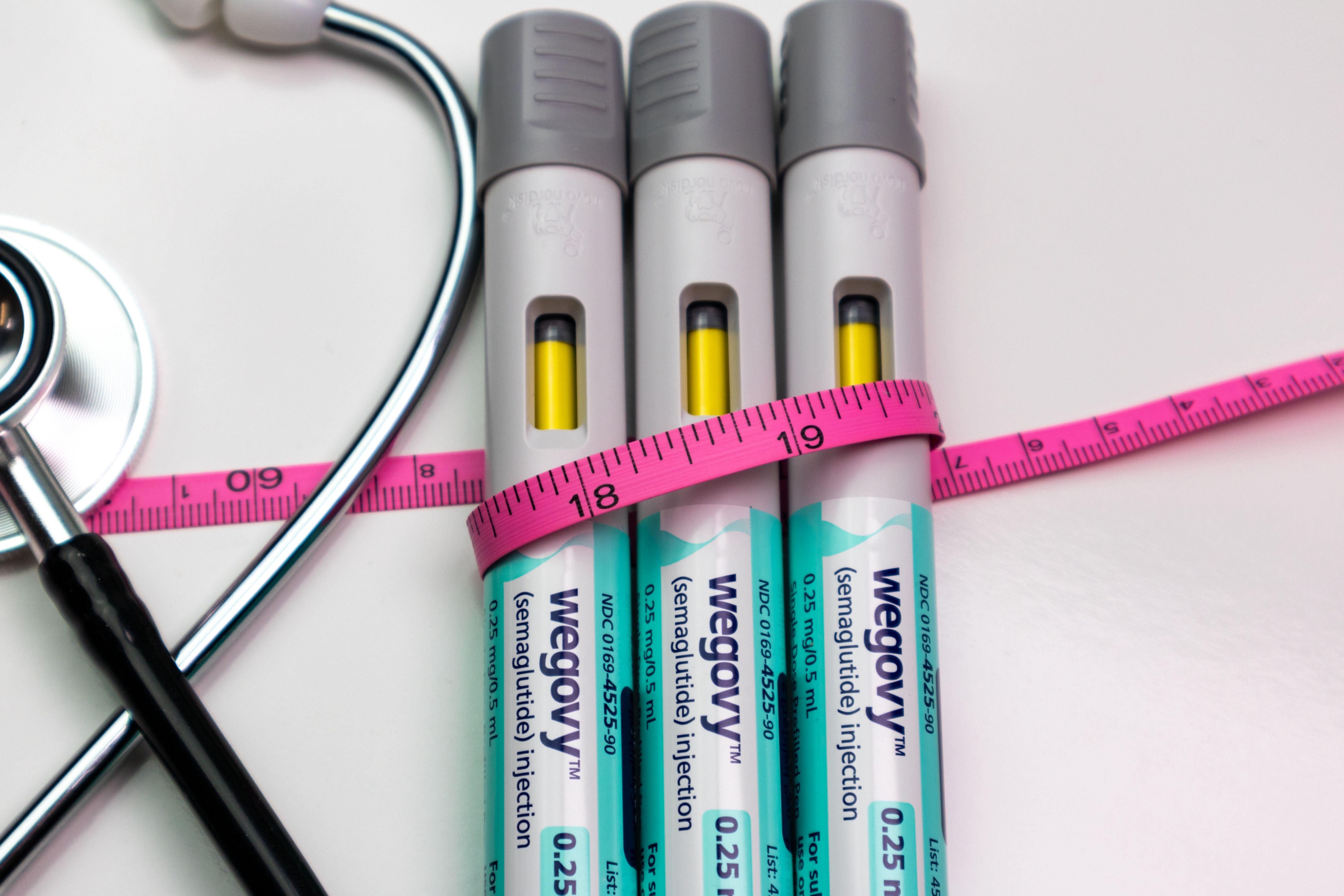
How do these weight loss injections actually work? Medications often referred to as “weight-loss jabs” are typically glucagon-like peptide-1 receptor agonists (GLP-1RAs). These medicines function by mimicking a natural hormone, GLP-1, which is released after eating. This hormone signals to the brain to reduce hunger and increases feelings of fullness, helping individuals naturally consume fewer calories. The synthetic versions are engineered to last longer in the body than natural GLP-1.
In the UK, several licensed GLP-1 medicines are available, including semaglutide (sold as Wegovy, Ozempic, and Rybelsus), tirzepatide (Mounjaro), and liraglutide. These drugs effectively slow gastric emptying, meaning food stays in the stomach longer, contributing to prolonged satiety. By reducing appetite and cravings while slowing digestion, they create a sustained calorie deficit, leading to weight loss. Many patients consider options like Wegovy vs Mounjaro when discussing treatment plans.
Beyond simple weight reduction, these medications can also significantly impact key metabolic markers. They have been shown to help stabilize blood sugar levels, lower blood pressure, improve cholesterol profiles, and reduce inflammation throughout the body. These additional benefits contribute to overall cardiometabolic health, making them more than just weight-loss tools, but also important for managing related conditions.
However, professional guidance is crucial, particularly concerning dosage and concurrent lifestyle changes. Rapid weight loss, even when medically induced, can unfortunately lead to a reduction in muscle mass alongside fat loss. To mitigate this, incorporating muscle-saving lifestyle habits, such as regular weight training and an increased protein intake, is essential for preserving lean body mass and maintaining a healthy metabolism.
Why do people regain weight after stopping these medications? The primary reason is the return of natural physiological responses. Approximately eight to twelve weeks after discontinuing the medication, the appetite typically returns to its baseline, and gastric emptying speeds up. This means individuals start to feel hungrier more quickly and experience fewer satiety signals, making it challenging to maintain the reduced calorie intake that led to the initial weight loss. This is a key aspect of how to avoid weight regain after weight loss jabs.
Moreover, the positive impact on metabolic markers, such as cholesterol and blood pressure, can also be reversed. Once the drugs are no longer acting on the pancreas to help balance blood sugar or influencing other metabolic pathways, these improvements tend to revert to their pre-treatment levels. This underscores the need for proactive strategies to protect these markers through diet and exercise.
For those looking to transition off weight-loss jabs, planning ahead and avoiding an abrupt stop is paramount. Tapering the medication, either by gradually reducing the dose or extending the time between injections, can help the body adjust more smoothly. This individualized approach acknowledges that some individuals may require long-term medication, while others can successfully transition to a maintenance phase.
Implementing sustainable lifestyle changes from the outset is critical for long-term success. Prioritizing strength training helps protect muscle mass and metabolism, while increasing protein intake to at least 1.2 grams per kilogram of lean body weight per day supports satiety and muscle preservation. These habits, cultivated during the treatment period, become the foundation for weight loss maintenance tips after GLP-1 cessation.
Ultimately, the journey of managing weight with or without medication necessitates comprehensive support. This includes access to health coaches, psychological counseling, and a community of like-minded individuals. Providing people with the right tools, education, and ongoing support can make all the difference in achieving lasting health outcomes and preventing the common challenge of weight loss jabs regain weight.








