


The unfolding US intervention in Venezuela has become a focal point of global geopolitical discussion, particularly concerning the nation’s vast oil reserves. Recent reports suggest a controversial strategy by the Trump administration to exert significant control over Venezuela’s oil industry, drawing sharp criticism and raising alarms about international law and sovereignty. This aggressive posture has ignited a fierce debate over the future of Venezuelan resources and the implications of continued US intervention in Venezuela.
The political landscape in Venezuela has been profoundly reshaped following the deposition of President Nicolas Maduro. An interim president, Delcy Rodriguez, has since been sworn into office, adopting a more conciliatory tone towards the United States. However, the transition has not been without significant human cost. Initial reports from Caracas indicated hundreds of casualties during the US-led intervention, with Venezuelan officials mourning the loss of military and security personnel. This heavy price underscores the gravity of the US intervention in Venezuela.
What is US intervention in Venezuela? It refers to the United States’ active involvement in Venezuela’s political and economic affairs, particularly concerning the ousting of its former president and efforts to control its oil resources. This intervention often involves diplomatic pressure, economic sanctions, and, as recently seen, military actions or threats to influence the country’s governance and resource management.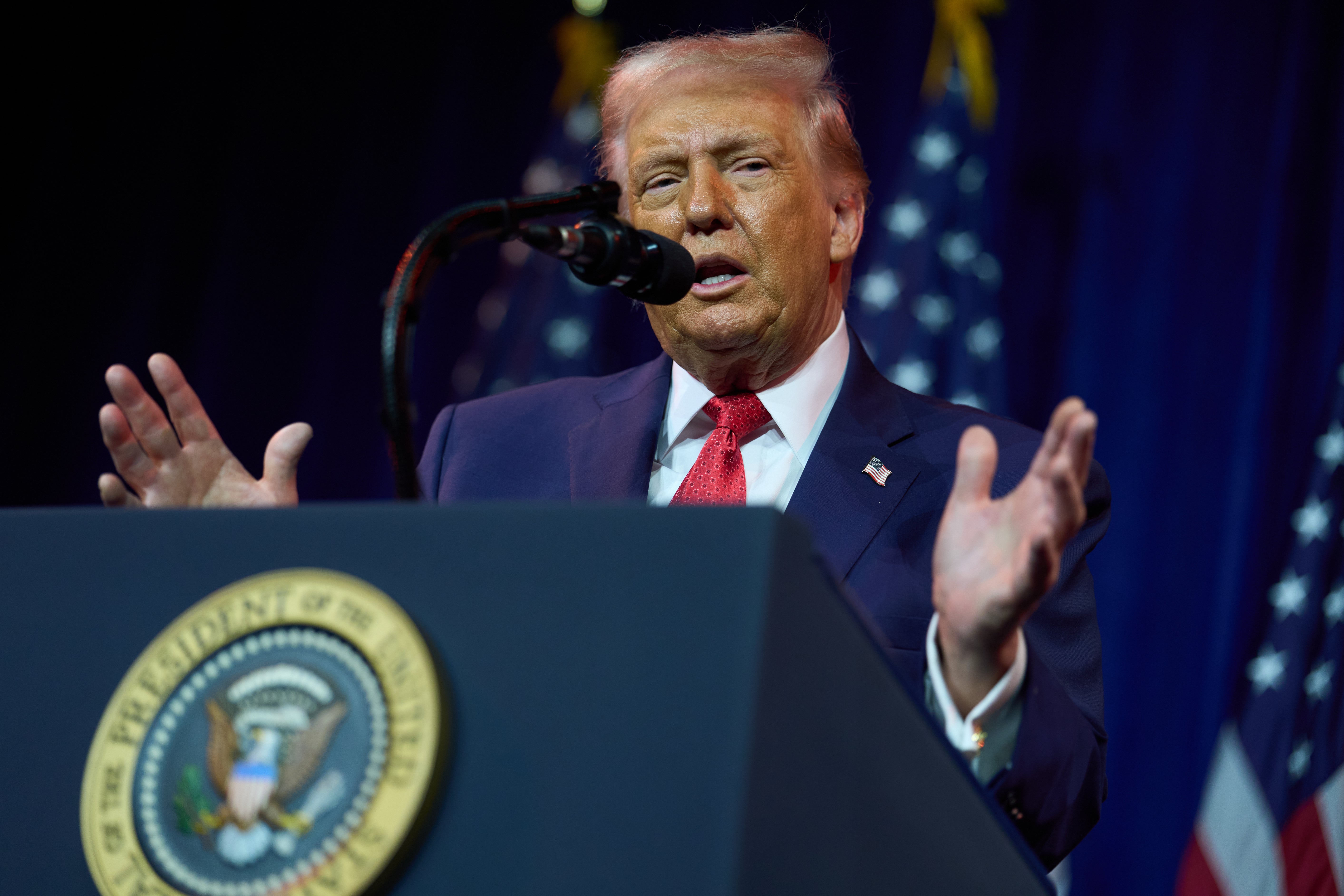
Why is the US interested in Venezuelan oil? Beyond geopolitical influence, the immense oil wealth of Venezuela presents a significant economic prize. The Trump administration has openly discussed leveraging these resources to “rebuild” the country in a “profitable way,” suggesting a long-term strategy to control oil revenues. This approach, however, has been slammed by critics as an attempt to seize national assets for American benefit, rather than genuine humanitarian aid.
The announced plan to manage Venezuelan oil sales indefinitely has ignited fierce opposition. The US Department of Energy proposed a scheme to funnel all oil proceeds into US-controlled accounts, with the American government deciding their eventual use. Senator Chris Murphy of Connecticut vehemently denounced this strategy, labeling it “insane” and accusing the administration of attempting to “steal Venezuelan oil at gunpoint” as leverage to micromanage the nation’s future.
President Trump himself has indicated that US oversight in Venezuela could extend for “much longer” than a few months or a year, suggesting a protracted period of American influence. He emphasized that Venezuela would be rebuilt “in a very profitable way,” with the US “using oil” and “taking oil” to drive down global prices while ostensibly providing funds to Venezuela. This vision paints a picture of prolonged US engagement, contrasting sharply with historical nuances in US vs Venezuela oil control.
Experts are warning that Venezuela is now primed for violent insurgency, particularly in response to the US asserting control over its oil. Professor Robert Pape of the University of Chicago described the situation as “perfect terrain for insurgency,” predicting that “chaos is coming.” This dire forecast highlights the potential for sustained instability and resistance, making the effective implementation of any long-term US strategy incredibly challenging and potentially costly. It also raises questions about how a Trump vs Biden Venezuela policy might differ in approach to regional stability.
In a related development, the US Coast Guard recently seized a Russian-flagged tanker, the Bella I, which was identified as a “Venezuelan shadow-fleet vessel” transporting sanctioned oil. This incident underscores the broader context of international efforts to control Venezuelan oil exports and the complexities of enforcing sanctions. Simultaneously, President Trump called for a significant boost in defense spending, citing threats to Greenland and other geopolitical concerns, signaling a more assertive global stance and driving the latest Trump Venezuela policy update.
Understanding US Venezuela relations explained requires acknowledging a history of tension, economic sanctions, and shifting political allegiances. The current situation marks a dramatic escalation, with direct military intervention and economic control becoming central to the American approach. This differs significantly from previous administrations, where diplomatic pressure and targeted sanctions were often the primary tools, leading to a complex and volatile Venezuelan oil crisis update.
The future of Venezuelan oil future 2026 remains highly uncertain under these circumstances. With no clear timeline for Venezuelan elections and the US controlling oil revenues, the country’s democratic trajectory is deeply in question. This evolving scenario will undoubtedly have profound implications for global oil markets, regional stability, and the broader landscape of US foreign policy 2026 predictions. The ongoing US military in Venezuela news highlights the critical need for a sustainable and equitable resolution.
The US intervention in Venezuela represents a pivotal moment in international relations, raising fundamental questions about national sovereignty, resource control, and the limits of foreign intervention. As events continue to unfold, the global community watches closely for the long-term consequences of these actions, particularly concerning the stability of Venezuela and the precedent set for future geopolitical engagements. The future of US intervention in Venezuela will undoubtedly shape regional dynamics for years to come.









