


The delicate balance of US Greenland relations has recently faced significant strain, following controversial remarks by former Homeland Security Advisor Stephen Miller regarding Greenland’s future. These comments, suggesting Greenland should become part of the United States, have ignited a diplomatic firestorm, drawing sharp criticism from a Republican lawmaker and key international allies. This incident underscores the complex geopolitical landscape of the Arctic region and the potential for seemingly isolated statements to ripple through global alliances, particularly impacting long-standing partnerships.
Representative Don Bacon, a retired Air Force Brigadier General, was quick to condemn Miller’s stance, branding the idea of annexing Greenland as “really dumb.” Bacon emphasized the unwavering alliance between the United States, Greenland, and Denmark, highlighting Denmark’s significant sacrifices in support of U.S. military operations in Afghanistan and Iraq. Such strong reactions from within the U.S. political spectrum underscore the gravity of the situation and the perceived disrespect towards a vital NATO partner.
What is Greenland’s strategic importance? Greenland holds significant strategic importance due to its vast rare-earth mineral deposits and its critical position in Arctic geopolitics. Its location provides a key vantage point for monitoring shipping lanes and military movements, making it a valuable asset for global powers seeking influence in the region.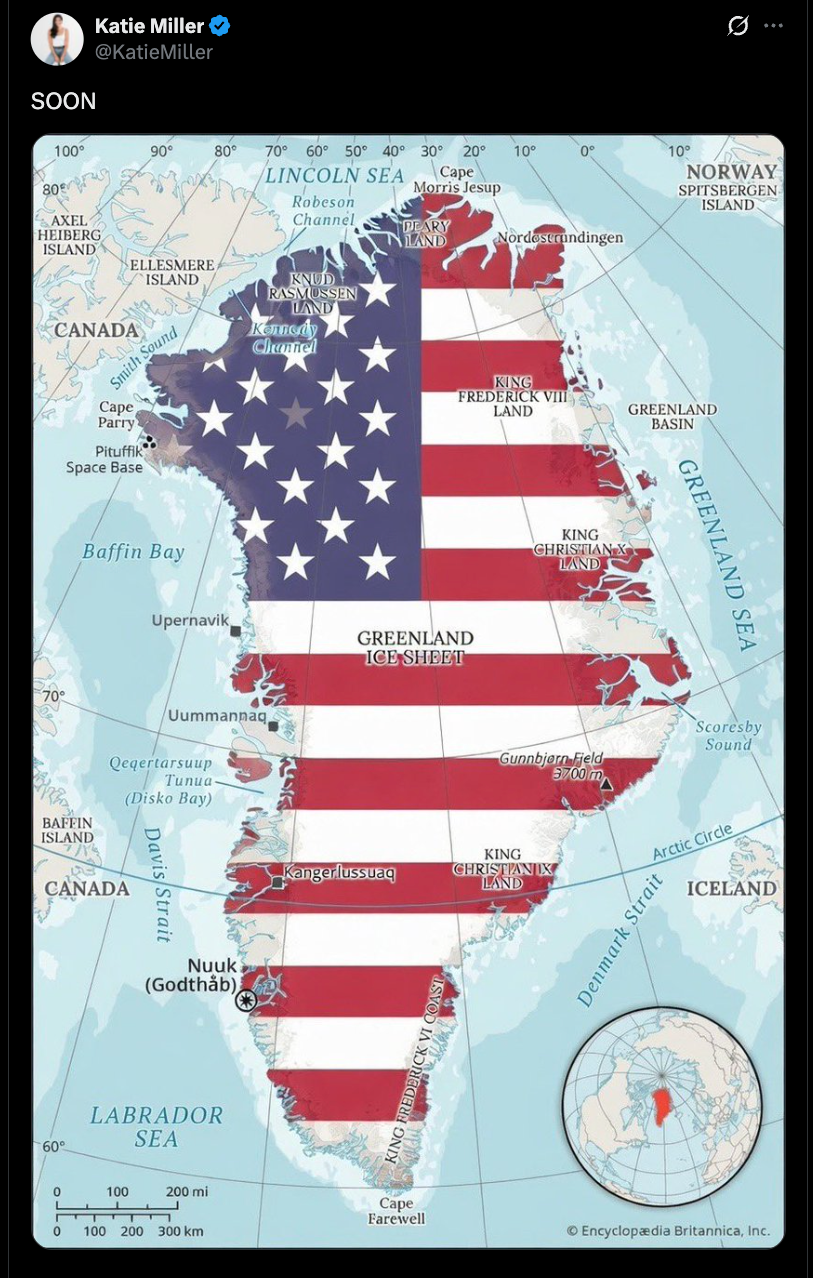
The historical context reveals that why is Greenland part of Denmark? Greenland has been associated with Denmark and Norway since 986 AD, falling under full Danish control in 1814. Denmark has since granted Greenland extensive home rule and self-governance, allowing it significant autonomy while remaining a constituent part of the Danish Kingdom. This long-standing relationship forms the bedrock of Greenland’s current political status.
The debate over Greenland autonomy vs Danish control highlights the nuanced sovereignty discussions surrounding the island. While Greenland enjoys substantial self-rule, Denmark retains authority over foreign affairs, defense, and monetary policy. Any discussion of its future status or potential annexation, as proposed by Miller and previously floated by the Trump administration, directly challenges this established and mutually agreed-upon arrangement, causing friction.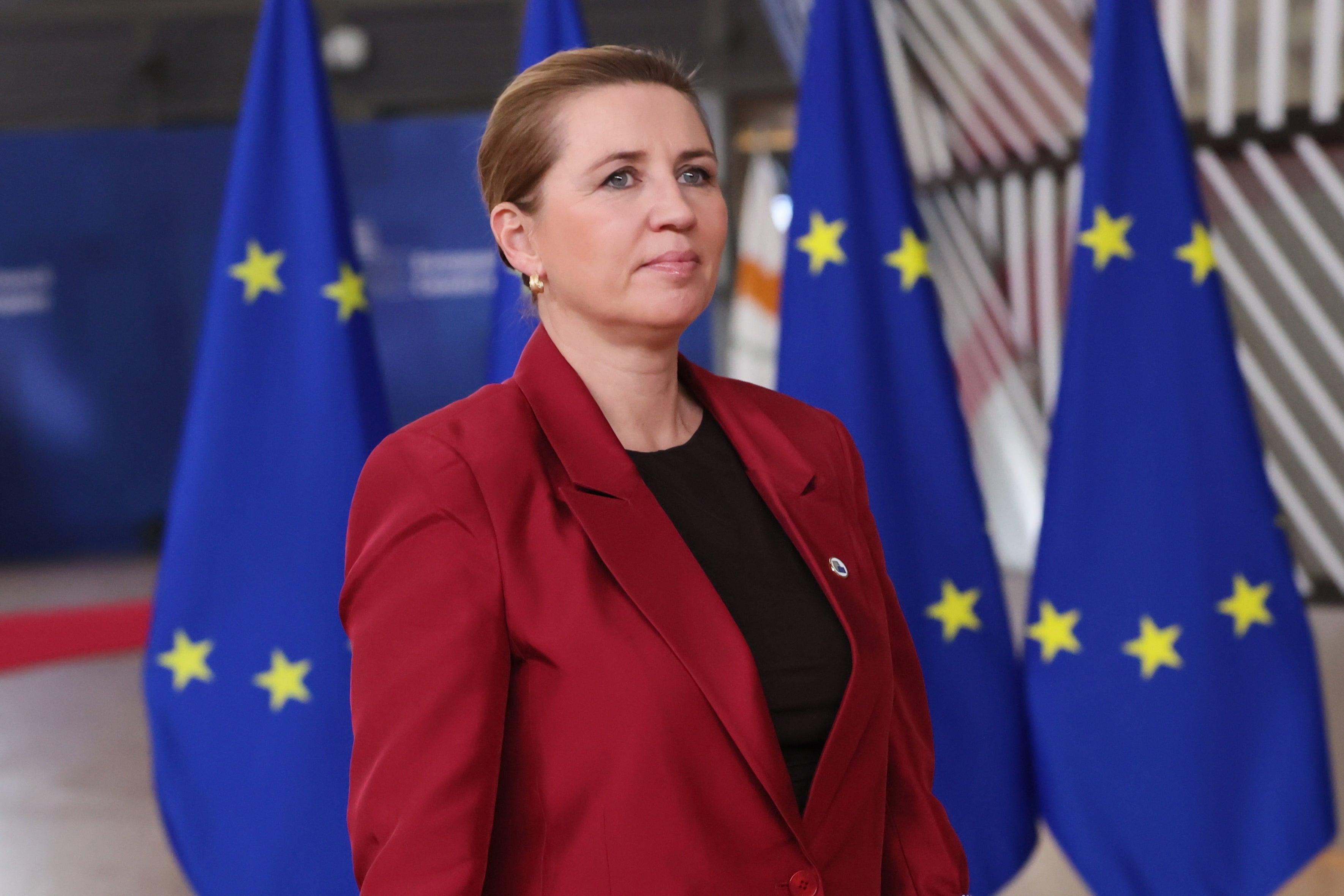
European leaders, including Danish Prime Minister Mette Frederiksen, have vehemently opposed any suggestions of U.S. annexation, warning that such aggressive actions against a NATO member would dismantle the security framework established since World War II. The US foreign policy vs NATO principles conflict becomes evident here, as unilateral moves threaten the collective defense and diplomatic norms that underpin the alliance. British Prime Minister Keir Starmer also publicly backed Denmark, reinforcing the united front against such proposals.
The Greenland geopolitical significance explained further reveals the island’s role in global power dynamics. With claims from former President Trump about increased Russian and Chinese presence in the region, the Arctic is increasingly viewed as a crucial arena for strategic competition. Greenland’s rich mineral resources, including rare-earth elements vital for modern technology, add another layer to its appeal and the international interest in its future.
Beyond the immediate controversy stemming from Stephen Miller Greenland comments, there’s a broader discussion about resource control. The potential for Greenland rare earth minerals 2026 to become a major global supply source fuels much of the strategic interest. This future-oriented perspective suggests that the geopolitical jostling over Greenland is likely to intensify, making its resources a key factor in future international relations.
The ongoing US Denmark diplomatic row is not merely about a few controversial statements; it represents a deeper challenge to trust and alliance solidarity. U.S. representatives like Joaquin Castro and Steny Hoyer have also voiced strong opposition, emphasizing Denmark’s reliability as an ally and the potential damage to international relations. This internal U.S. political dissent further complicates the narrative and demonstrates the bipartisan concern over the issue.
In conclusion, the recent tensions surrounding US Greenland relations serve as a critical reminder of the importance of diplomatic respect and adherence to international norms. As global powers continue to eye the Arctic’s strategic resources and pathways, maintaining robust alliances and respecting national sovereignty will be paramount to ensuring regional stability and global cooperation. The unfolding dynamics provide a case study in Arctic security challenges 2026 and beyond, necessitating careful consideration of policy and rhetoric.









