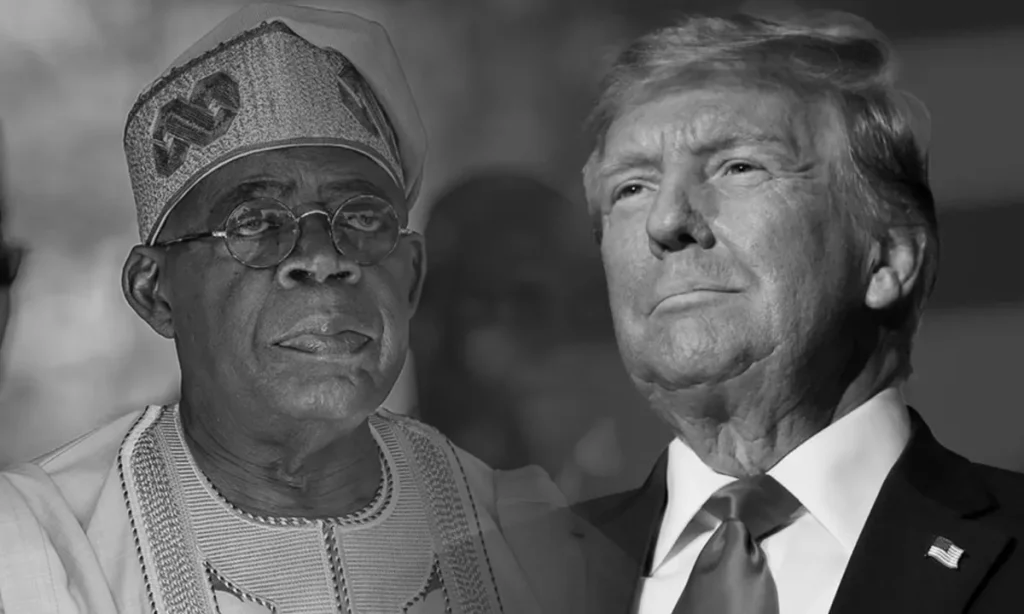
The recent Ukraine conflict escalation highlights a critical shift in modern warfare, particularly concerning the deployment of drones. Amidst rising tensions, former President Donald Trump has publicly denied Russian claims of a massive 91-drone attack targeting Vladimir Putin’s presidential residence, an allegation that threatened to undermine ongoing peace negotiations. This denial underscores the complex information landscape surrounding the conflict and the strategic use of such claims to influence international perception and diplomatic efforts.
Russia’s assertion of a sophisticated drone strike on a high-value target like Putin’s residence has been met with skepticism from Western intelligence. The Kremlin’s narrative suggested Ukraine possessed the capability and intent for such an audacious assault, a claim quickly refuted by Ukrainian President Volodymyr Zelensky and subsequently by Trump, citing US intelligence assessments. The incident, irrespective of its veracity, served to underscore the pervasive threat and psychological impact of unmanned aerial vehicles in contemporary warfare.
The strategic implications of drone warfare are profound, fundamentally altering combat dynamics and intelligence gathering. Drones offer capabilities for reconnaissance, precision strikes, and even psychological operations, often at a lower risk to human life for the aggressor. Understanding the nuances of these systems is crucial for assessing the true nature of military engagements and potential escalations.
What is drone warfare? Drone warfare refers to the use of unmanned aerial vehicles (UAVs), commonly known as drones, for military operations, including surveillance, reconnaissance, and targeted attacks. These remotely controlled aircraft can carry various payloads, from cameras to missiles, and are deployed to reduce human risk while extending operational reach and precision in combat zones.
Ukrainian military and security analysts, such as Oleksandr Kovalenko, acknowledge that Ukraine technically possesses the weaponry to launch such drone and missile attacks. However, the timing and scale of the alleged 91-drone strike, as reported by Russia, raised immediate questions about its authenticity and whether it was a staged event designed to achieve specific political objectives, especially in the context of recent diplomatic discussions involving Donald Trump.
The broader context of these events includes intensive, albeit fragile, negotiations aimed at resolving the nearly four-year-old conflict. Russian Foreign Minister Sergey Lavrov criticized Kyiv for launching attacks during such a sensitive period, further complicating the already strained diplomatic efforts. These allegations and counter-allegations consistently challenge the path to a stable resolution, creating an environment of distrust that impedes progress.
Recent attacks on Kyiv further illustrate the devastating human cost of this protracted conflict. A Russian air attack on the Ukrainian capital resulted in civilian casualties, including at least one reported death, highlighting the continued targeting of urban centers. Such strikes, which Russia claims target military infrastructure, are consistently condemned by Ukraine as assaults on civilian populations and essential infrastructure.
The ongoing conflict showcases a dangerous cycle of action and reaction, where each alleged attack or counter-attack risks further Ukraine conflict escalation. The international community remains vigilant, monitoring developments closely as both sides leverage information and military actions to gain strategic advantages. The role of powerful nations and their leaders, like former President Trump, in either endorsing or refuting claims, significantly impacts global perceptions and potential diplomatic outcomes.
Looking ahead, the evolution of drone technology and its integration into military doctrines will continue to shape future conflicts. The ability to conduct precision strikes and gather intelligence from afar makes drones indispensable, yet they also introduce new ethical and strategic dilemmas. The international community must grapple with regulating their use and preventing their proliferation to maintain global stability.
Ultimately, navigating the complexities of the Ukraine conflict escalation requires a clear understanding of both military realities and the information warfare being waged. The denial of major drone attacks by key international figures like Trump signals a concerted effort to manage narratives, reflecting the critical need for verified information in an age of rapid and often conflicting reports. Achieving a lasting peace will depend on addressing these multifaceted challenges directly and transparently.
Keywords: what is drone warfare, how to understand Ukraine conflict, Ukraine vs Russia military power, drone attacks vs missile strikes, Ukraine war for beginners guide, drone warfare explained simply, Trump Putin drone news, Ukraine war latest update today, Ukraine conflict analysis 2026, future of drone warfare 2026