


Former Obama adviser David Axelrod recently ignited a significant political debate, warning Republicans about what he terms Donald Trump’s “Marie Antoinette thing.” This pointed comparison highlights a perceived disconnect between Trump’s focus on lavish renovations and the everyday economic struggles of American voters. Many are asking why is Trump compared to Marie Antoinette and what this analogy means for his political standing. Axelrod’s insights suggest that Trump’s opulent displays could become a major liability, especially as the nation grapples with persistent cost of living challenges.
Speaking on CNN, Axelrod expressed deep concern that Trump’s preoccupation with remodeling projects, from the White House to the Kennedy Center, would alienate voters. He emphasized that while people are worried about paying their bills, Trump appears consumed by gold, marble, and attaching his name to grand structures. This divergence in priorities, Axelrod argues, presents a substantial political vulnerability for the former president and the Republican Party.
What is the ‘Marie Antoinette thing’ applied to Trump? The “Marie Antoinette thing” refers to the perceived disconnect between Donald Trump’s lavish personal spending and focus on opulent renovations, such as those at the White House, and the economic struggles faced by everyday Americans. This comparison implies a leader out of touch with public hardship, echoing the historical figure’s alleged indifference during a time of widespread poverty.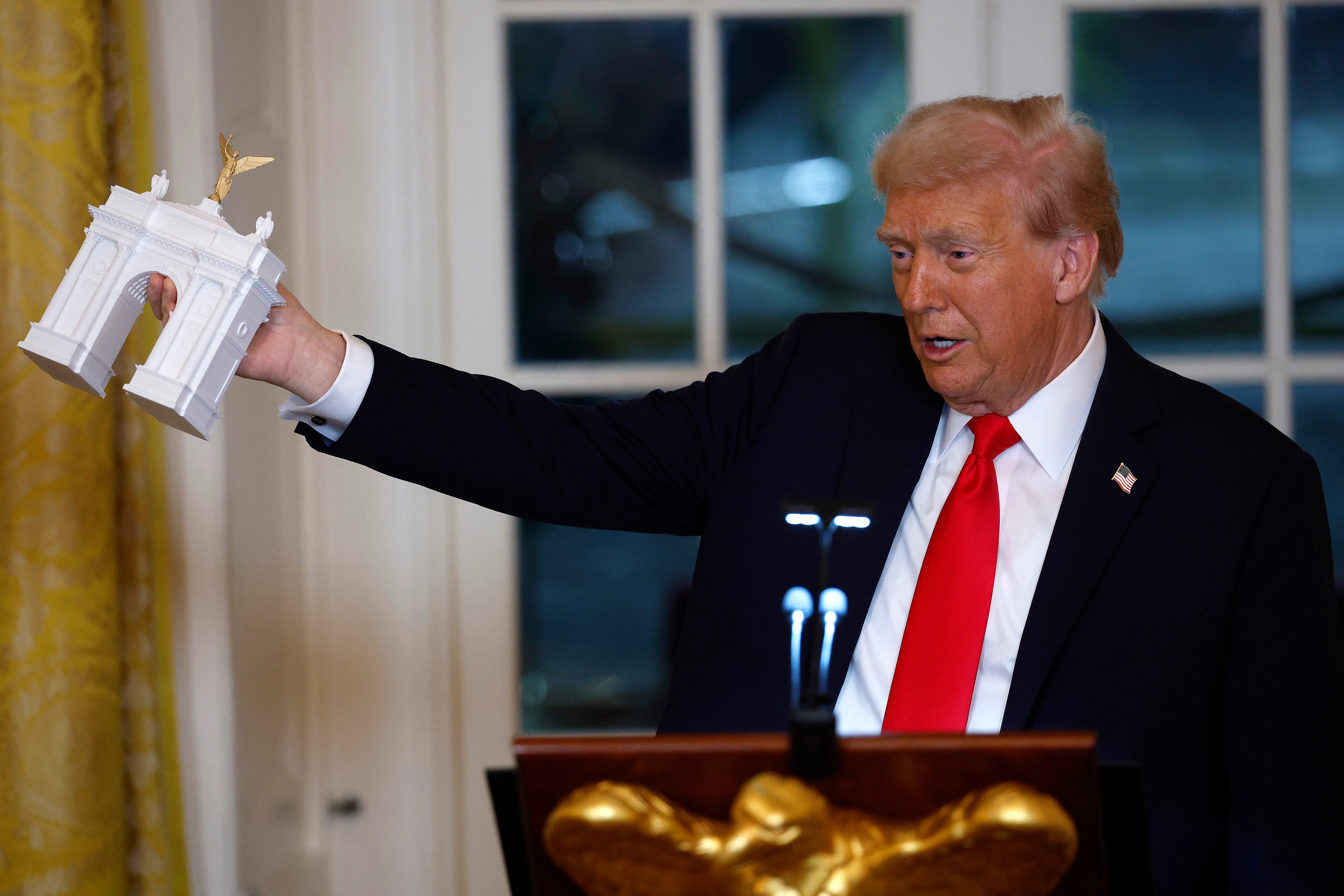
Trump’s renovation ambitions have been extensive and costly. During his previous term, he oversaw the installation of marble in the Palm Room, painted the Oval Office gold, and paved over the historic Rose Garden. His plans even extended beyond the White House grounds, including a proposed Arc de Triomphe-style arch in Washington D.C. and marble armrests for the John F. Kennedy Center for the Performing Arts, which was notably renamed to include his moniker. These projects underscore a pattern of grand, personal-brand focused expenditures.
This focus on extravagance comes at a time when many American households continue to face economic pressures. While inflation has shown signs of cooling, with prices rising at a 2.7 percent annual rate in November, down from 3 percent in September, the cost of living remains a primary concern for voters. Food costs, though declining slightly, and rising energy prices directly impact household budgets. Voters often question what is Trump’s economic message when his actions appear to prioritize personal aesthetics over fiscal prudence, leading to a stark contrast in trump’s spending vs voter concerns.
Axelrod did not mince words, calling Trump’s perceived distraction a “huge political problem.” He warned that even if Trump himself is not on the ballot in 2026, the implications of his image could deeply trouble Republicans. The optics of a leader investing millions in personalizing monuments while the populace struggles to make ends meet can erode trust and voter loyalty, directly impacting republican economic policy vs public opinion and the political implications of trump’s extravagance.
The comparison of Trump to Marie Antoinette is not new. Democratic California Governor Gavin Newsom famously shared an AI-generated image of Trump as the French queen during a government shutdown, accompanied by the sarcastic caption, “GOOD NIGHT, PEASANTS!” Such instances highlight a recurring narrative from critics who portray Trump as detached from the realities faced by ordinary citizens, framing his actions as symbols of selfish luxury.
This narrative could significantly shape trump’s political challenges 2025 and beyond. For the Republican Party, understanding and addressing this perception will be crucial for any republican strategy for 2025 election. If voters perceive a candidate as out of touch with their financial realities, it can undermine their entire platform, regardless of specific policy proposals. The image of a leader prioritizing self-aggrandizement over public welfare is a difficult one to overcome.
The long-term impact of this “Marie Antoinette” image could be profound, influencing how the public views not just Trump, but potentially the entire party associated with him. When political figures are seen as oblivious to the struggles of their constituents, it can foster cynicism and disengagement. This perception of extravagance, particularly when juxtaposed with promises to lower costs, creates a credibility gap that can be challenging to bridge.
Ultimately, Axelrod’s warning underscores a critical political tightrope: leaders must demonstrate empathy and a grasp of their constituents’ daily challenges. The question of why is Trump compared to Marie Antoinette is more than a historical analogy; it is a contemporary political critique that Republicans, and Trump himself, must seriously consider as they navigate future electoral landscapes. The balance between leadership and perceived opulence remains a defining challenge.









