


The recent announcement by former President Donald Trump regarding proposed tariffs on European nations, stemming from their opposition to a potential U.S. acquisition of Greenland, has ignited a significant diplomatic firestorm. This unprecedented move, which threatens to impose 10 percent tariffs on several key European allies including Denmark, Norway, Sweden, France, Germany, the UK, the Netherlands, and Finland, has been widely condemned across the globe. Understanding the complexities of the Trump Greenland tariffs explained reveals a deep rift in transatlantic relations and raises serious questions about geopolitical stability.
Donald Trump, in a statement on Truth Social, asserted that these escalating tariffs, which could rise to 25 percent, would remain in effect until a deal for the U.S. to purchase Greenland is finalized. His rationale centered on claims that “World Peace is at stake! China and Russia want Greenland, and there is not a thing Denmark can do about it,” dramatically suggesting the territory is only defended by “two dogsleds.” This aggressive stance immediately prompted an emergency meeting among EU diplomats to address the perceived threat to international trade and alliances.
European leaders were quick to denounce Trump’s actions. European Commission president Ursula von der Leyen and EU Council president Antonio Costa publicly stated that such tariffs would severely “undermine transatlantic relations and risk a dangerous downward spiral.” British Prime Minister Sir Keir Starmer branded the tariffs “completely wrong,” while French President Emmanuel Macron declared the move “unacceptable,” emphasizing that “No intimidation nor threat will influence us, neither in Ukraine, nor in Greenland.”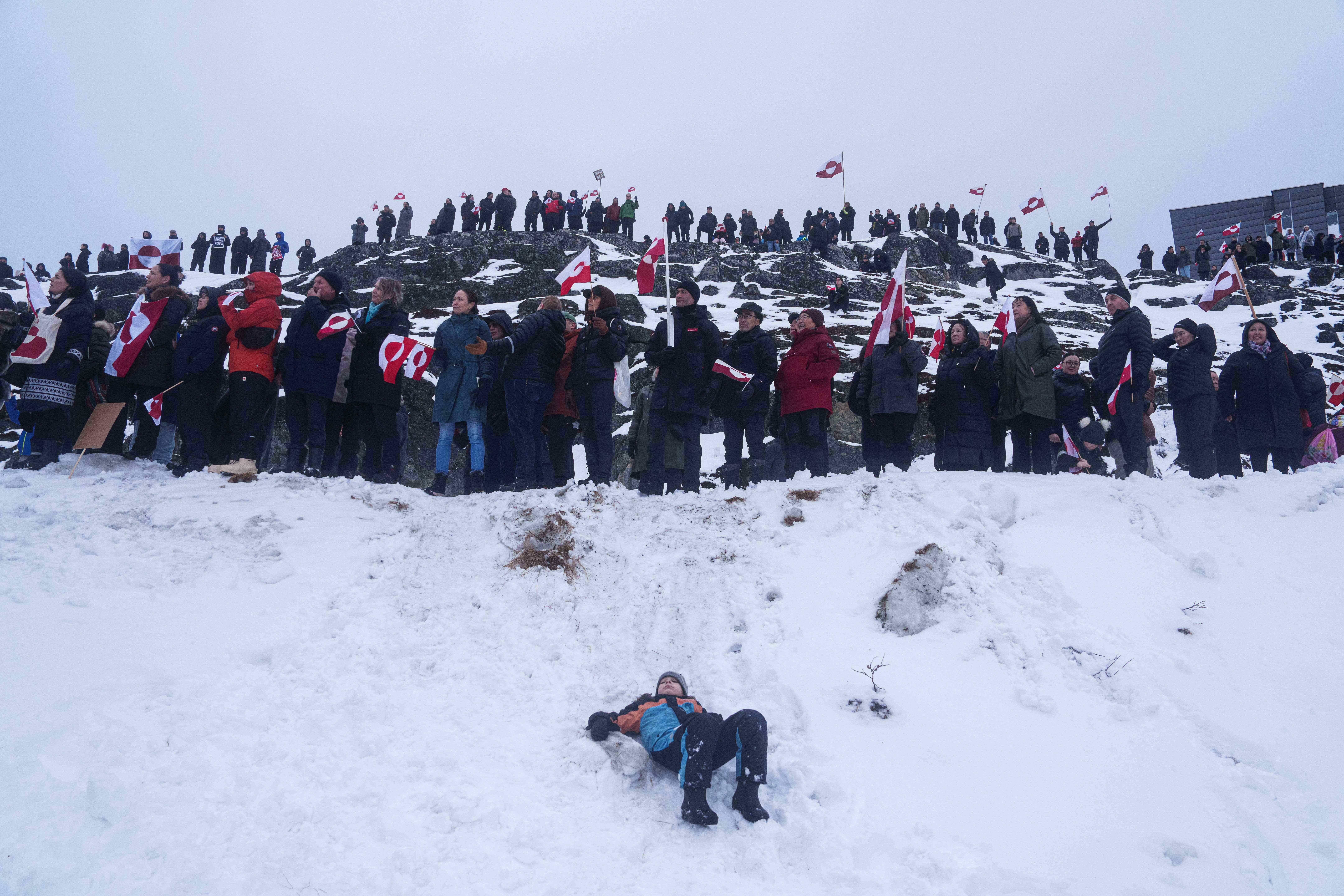
What is the Trump Greenland dispute? The Trump Greenland dispute refers to the diplomatic crisis sparked by Donald Trump’s repeated desire for the U.S. to acquire Greenland from Denmark, culminating in threats of tariffs against European allies who opposed the idea. This move was framed by Trump as a national security imperative to prevent Russian and Chinese influence in the Arctic.
Lisa Nandy, the UK’s culture secretary, highlighted the broader implications for Arctic security. She stressed the importance of international cooperation in resolving challenges in the Arctic region, which affects the U.S., Canada, and most of Europe. Nandy reiterated that the government views the tariffs as the “wrong approach” at a time when collective action is paramount, urging nations to work together rather than divide themselves over such issues.
From the European Union’s perspective, the geopolitical fallout is particularly concerning. Kaja Kallas, the EU’s foreign policy chief, observed that “China and Russia must be having a field day,” benefiting from divisions among allies. She argued that if Greenland’s security is genuinely at risk, such matters should be addressed within NATO, emphasizing that tariffs only serve to weaken the economic prosperity of both Europe and the United States, diverting focus from critical issues like the conflict in Ukraine.
Opposition to Trump’s tariff announcement was not confined to Europe; it also emerged strongly from within the United States. Gregory Meeks, a leading Democrat on the US House Foreign Affairs Committee, announced plans to introduce a resolution to “terminate these illegal and absurd tariffs immediately.” He criticized Trump for “manufacturing a foreign crisis” and imposing tariffs on closest allies, labeling the move as an incredible “double down on the stupidity.”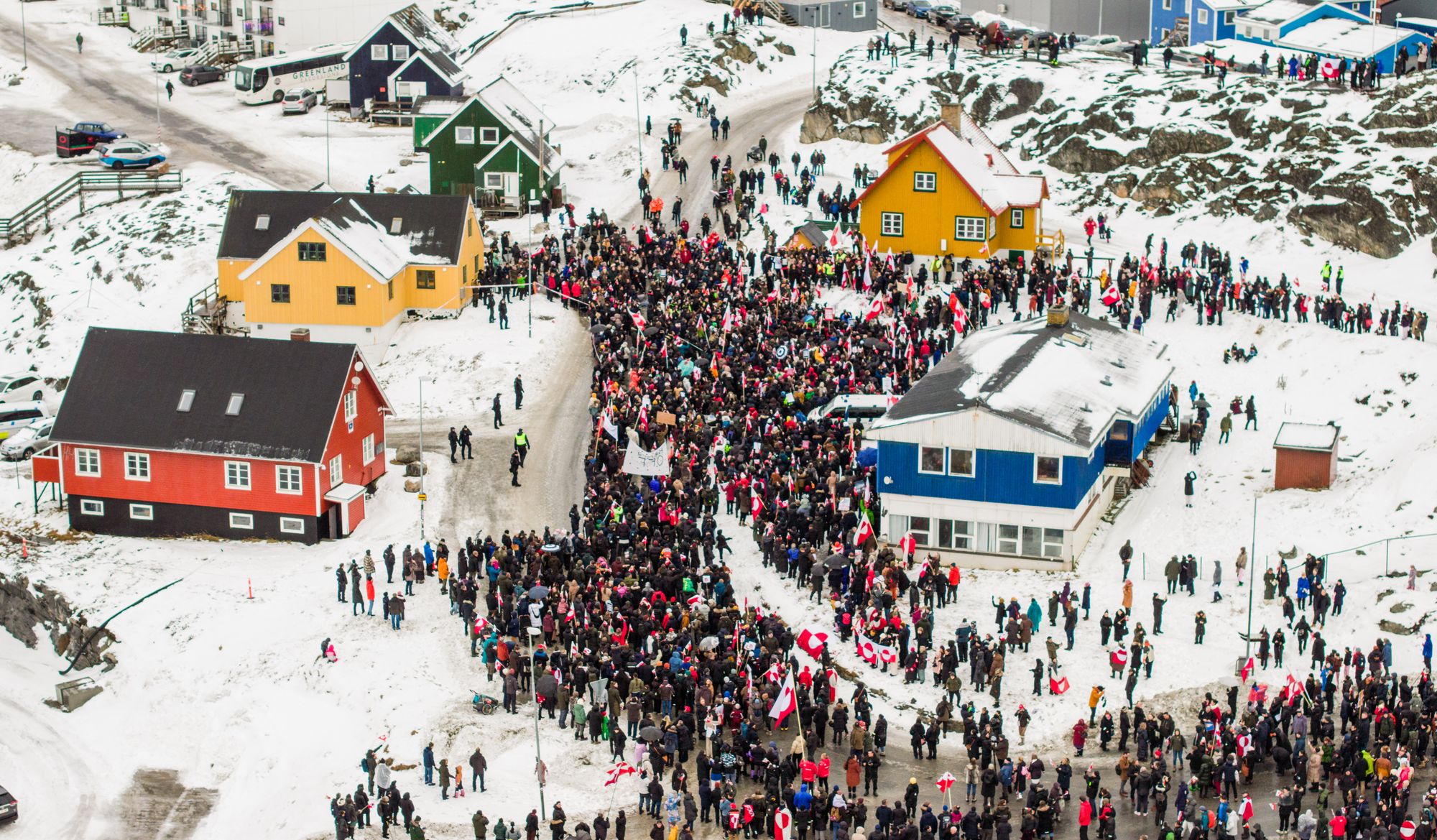
Republicans too voiced significant criticism, with at least half a dozen GOP lawmakers calling the proposal unprecedented and damaging to U.S. alliances. Senate Majority Leader John Thune noted that there was “certainly not an appetite here for some of the options that have been talked about or considered.” Senator Mitch McConnell went further, describing military action against Greenland as “an unprecedented act of strategic self-harm” that could risk “incinerating” NATO alliances, underscoring the deep divisions within Trump’s own party regarding this issue.
Meanwhile, the people of Greenland themselves staged massive protests, with thousands marching across the snow and ice to voice their unequivocal rejection of any American takeover. Carrying placards, waving the national flag, and chanting “Greenland is not for sale,” demonstrators underscored their support for self-governance and firmly rejected the mounting pressure from Washington. Their unified stance highlighted the cultural and sovereign implications of Trump’s proposal.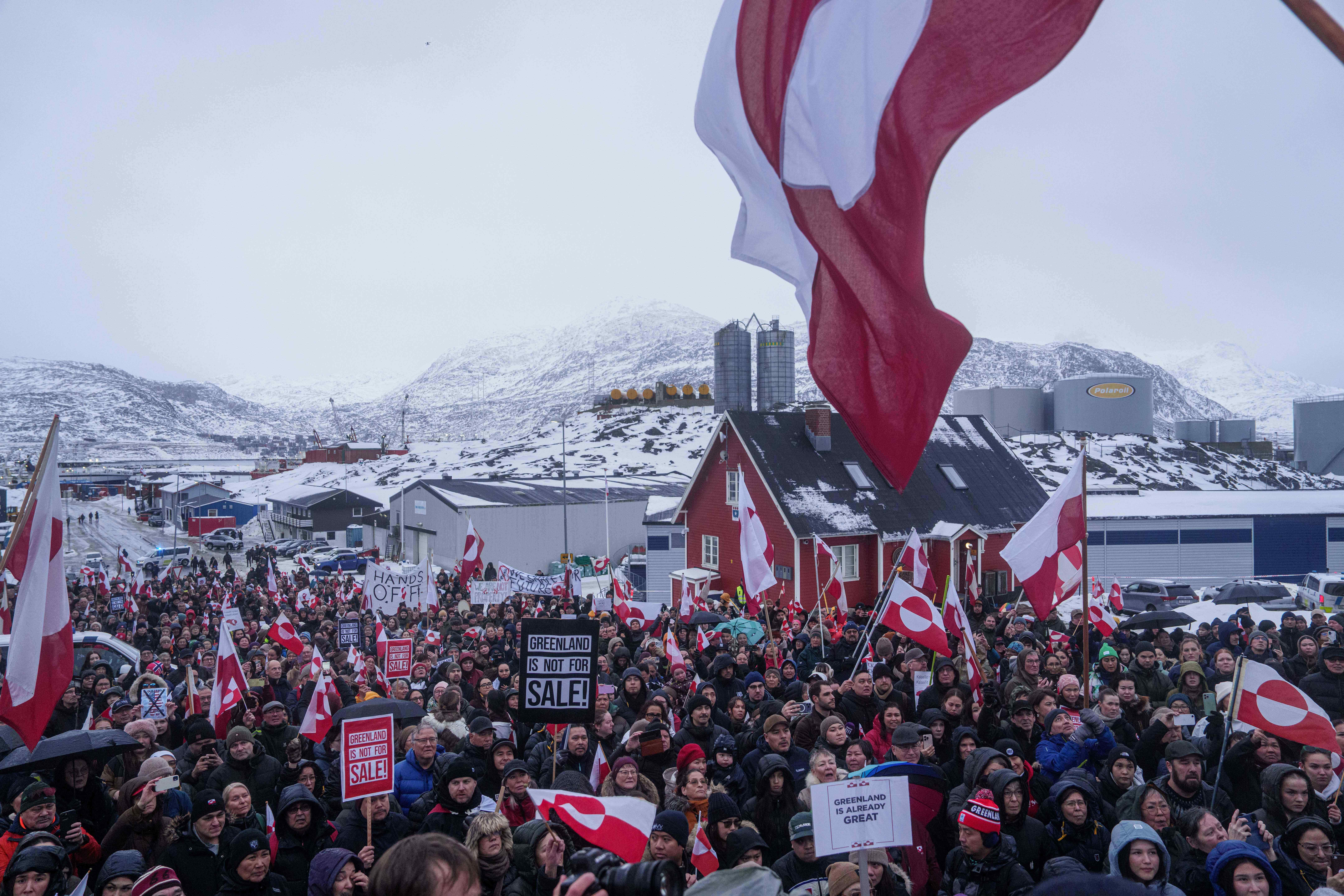
Former NATO chief Anders Fogh Rasmussen, a former Danish prime minister, offered some of the most scathing critiques, accusing Donald Trump of employing “gangster”-style threats reminiscent of Russia. Rasmussen warned that Trump was using the Greenland threat as “a weapon of mass distraction from the real threats” facing the world, particularly Russia’s war in Ukraine. He lamented the shift in U.S. rhetoric, noting it now resembles the language of adversaries rather than a leader of the free world, making the Trump Greenland tariffs explained a complex issue impacting global trust and stability.








