


Marjorie Taylor Greene has issued a significant warning to Donald Trump regarding his administration’s Trump Venezuela policy, stating it contradicts what many in the MAGA movement expected. Her critique highlights a growing discontent among some of Trump’s base concerning foreign interventions and the allocation of American resources abroad. This unexpected clash reveals deeper ideological rifts within the Republican party regarding the “America First” agenda, sparking a critical re-evaluation among his supporters.
Greene’s lengthy post on X Saturday detailed her concerns about “regime change, funding foreign wars, and American tax dollars being consistently funneled to foreign causes.” She argued that this approach is precisely what Americans, facing increasing costs of living, housing, and healthcare, thought they had voted to end. Her statements directly challenge the perceived alignment of such actions with the foundational principles of the America First policy, which promised a different direction for U.S. foreign relations.
Earlier, Trump defended his actions, including authorizing CIA operations in Venezuela and the capture of President Nicolas Maduro, by asserting that Venezuela had “emptied their prisons into the United States of America” and flooded the country with drugs. He framed these interventions as necessary for national security and to ensure the U.S. is surrounded by “good neighbors,” attempting to align them with his stated priorities of protecting American interests and borders.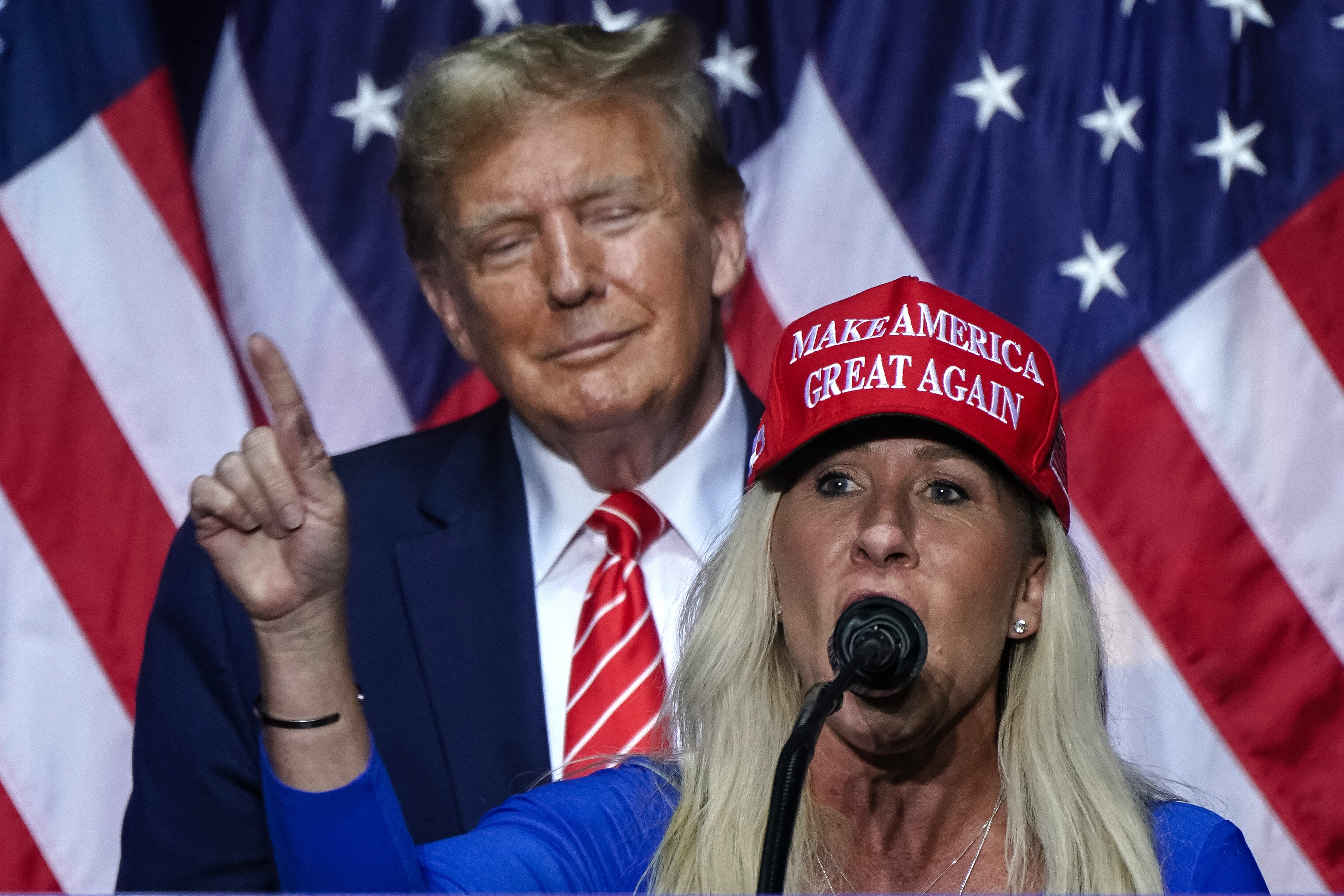
The America First policy is a nationalist foreign policy doctrine prioritizing domestic interests, economic protectionism, and non-interventionism in international conflicts. It advocates for prioritizing American workers, businesses, and national security above global commitments, often leading to skepticism towards international alliances and foreign aid.
Greene strongly refuted Trump’s claims that the operations were solely to combat narco-terrorism. She pointed out that 70 percent of U.S. drug overdose deaths are attributed to fentanyl entering the country via Mexico, not Venezuela. Her argument suggests a disconnect in the administration’s stated goals versus its actual focus, further questioning the logic behind the Trump foreign policy explained to the public as a direct response to drug threats from Venezuela.
“Mexican cartels are primarily and overwhelmingly responsible for killing Americans with deadly drugs,” Greene asserted, challenging why the Trump administration had not taken similar decisive action against them if saving American lives from drugs was the true motivation. This highlights a perceived inconsistency between the stated intentions and the practical application of Trump foreign policy vs MAGA principles, which often emphasize non-interventionism.
The Georgia congresswoman also cited Trump’s pardon of former Honduran President Juan Orlando Hernandez, who was convicted of trafficking hundreds of tons of cocaine into America, as another example of problematic foreign policy decisions. This specific example further underscores the evolution of Marjorie Taylor Greene political views and her willingness to openly critique former allies on issues of national security and integrity.
Greene encapsulated the sentiment by stating, “Americans’ disgust with our own government’s never ending military aggression and support of foreign wars is justified because we are forced to pay for it.” This statement illustrates the core reason why is Marjorie Taylor Greene criticizing Trump – a belief that his actions betray the anti-interventionist stance many MAGA voters championed when casting their ballots.
Greene’s public criticisms come amidst reports that she is not the only Republican troubled by the administration’s actions, though others are expressing concerns privately. Senate minority leader Chuck Schumer noted that some Republicans are “troubled by this,” indicating a broader unease within the party regarding the Trump Venezuela news update and its implications for U.S. standing and domestic priorities.
Schumer urged Republicans to “resist him” on this issue, emphasizing that “President Trump is a member of your party. You’ve gone along with him over and over again. This is one time you got to resist him. It’s too serious.” This underscores the gravity of the situation and the internal pressures facing the Republican party concerning foreign policy decisions that diverge from their stated platforms.
Greene has transitioned from being one of Trump’s staunchest supporters to one of his most vocal critics in recent months, following disagreements over various issues, including the handling of the Epstein files. Her announced resignation from Congress, effective January 5, further complicates the political landscape and her future role in shaping the conservative agenda, especially regarding foreign policy.
The public spat between Marjorie Taylor Greene and Donald Trump over the Trump Venezuela policy highlights a significant ideological battle within the conservative movement. It raises critical questions about the true meaning of “America First” and whether foreign interventions align with the principles that initially rallied a substantial portion of the American electorate. The debate underscores the complexities of balancing national interests with isolationist sentiments, challenging the very foundation of the MAGA movement’s foreign policy vision.






