

![[post_title]](https://samony.com.ng/wp-content/uploads/2026/01/1767614308_What-Gary-Neville-said-about-Ruben-Amorim-just-before-his-1024x683.jpg?lm=695BA767)
The sudden departure of Ruben Amorim from Manchester United has sent shockwaves through the football world, leaving many to ponder why was Ruben Amorim sacked so abruptly. This pivotal moment followed critical comments from club legend Gary Neville, who suggested the Portuguese manager was “starting to unleash” frustrations with the Old Trafford hierarchy. The events leading up to his dismissal highlight a growing tension between coaching staff and club management, a recurring theme in modern football. This analysis delves into the circumstances surrounding Amorim’s exit, examining the underlying issues that ultimately led to his sacking and Neville’s astute observations.
Amorim’s 14-month tenure at Old Trafford was marked by a series of challenges, including inconsistent performances and public expressions of discontent regarding transfer dealings. His increasingly tetchy press conferences hinted at deeper problems behind the scenes, particularly concerning the club’s direction and support for his vision. The manager’s frustrations became palpable, setting the stage for a dramatic exit that underscored the immense pressure on those at the helm of a club like Manchester United.
Gary Neville, a respected pundit and former United captain, provided a crucial perspective on the unfolding drama. He noted that Amorim’s increasingly outspoken remarks indicated a manager at breaking point, drawing parallels to similar situations faced by other Premier League coaches. Neville’s analysis suggested that the manager’s unhappiness stemmed from issues beyond the pitch, hinting at conflicts with the club’s decision-makers regarding strategic planning and squad development.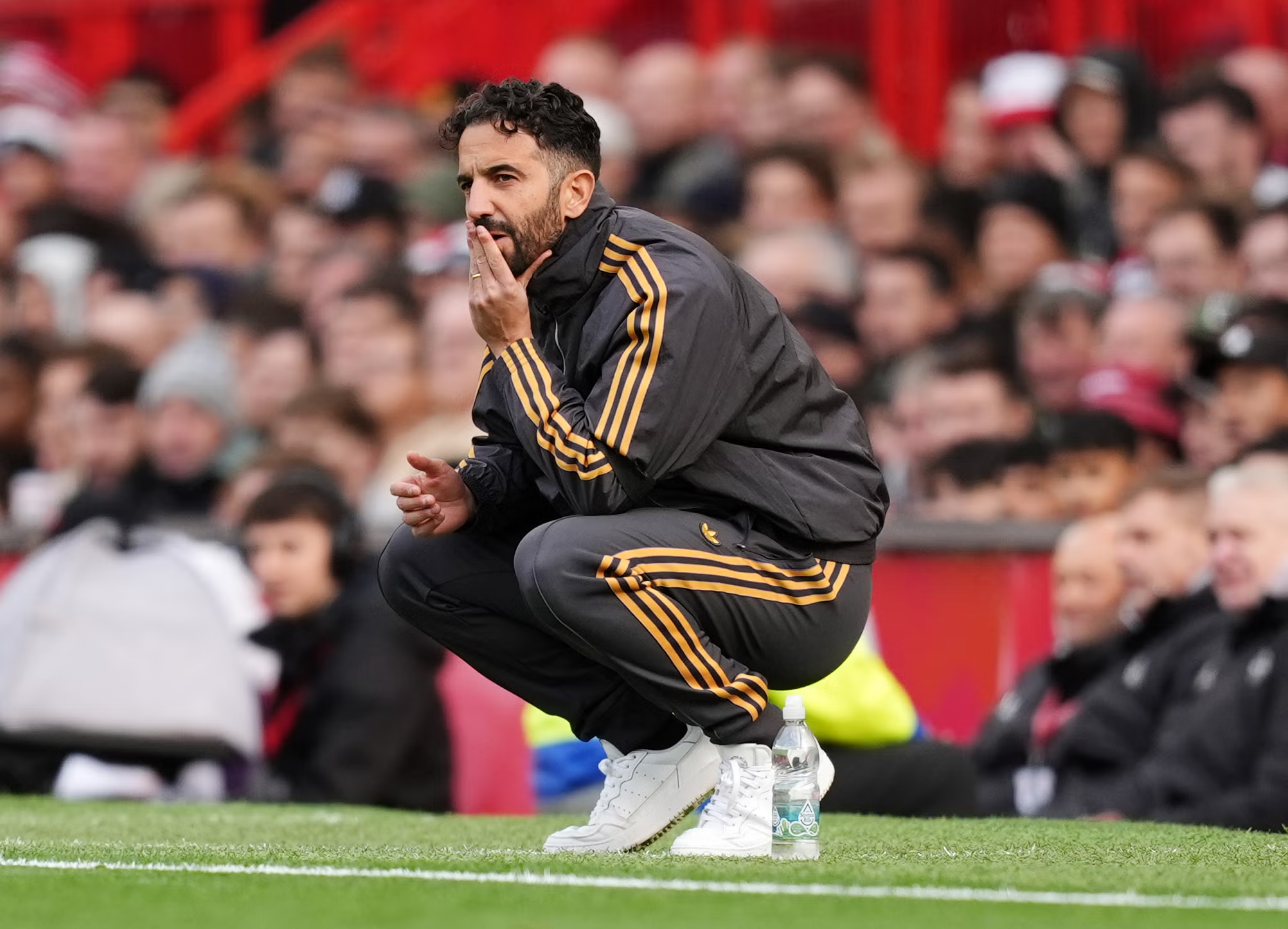
Why was Ruben Amorim sacked? The primary reasons for Ruben Amorim’s sacking were a combination of unsatisfactory on-field results, public clashes over transfer policy, and a perceived breakdown in communication with the Manchester United hierarchy, leading to an untenable working relationship for all parties involved.
The core of the problem appears to be what is the Man United hierarchy issue regarding player acquisitions and overall club strategy. Reports suggested Amorim was promised significant backing in the transfer market, only for those promises to fall short. This disconnect is a familiar narrative at many top clubs, where managers often feel unsupported by their boards in building competitive squads. Understanding the intricacies of the man united transfer strategy guide reveals a complex web of financial constraints, recruitment priorities, and internal politics that can undermine even the most promising managerial tenures.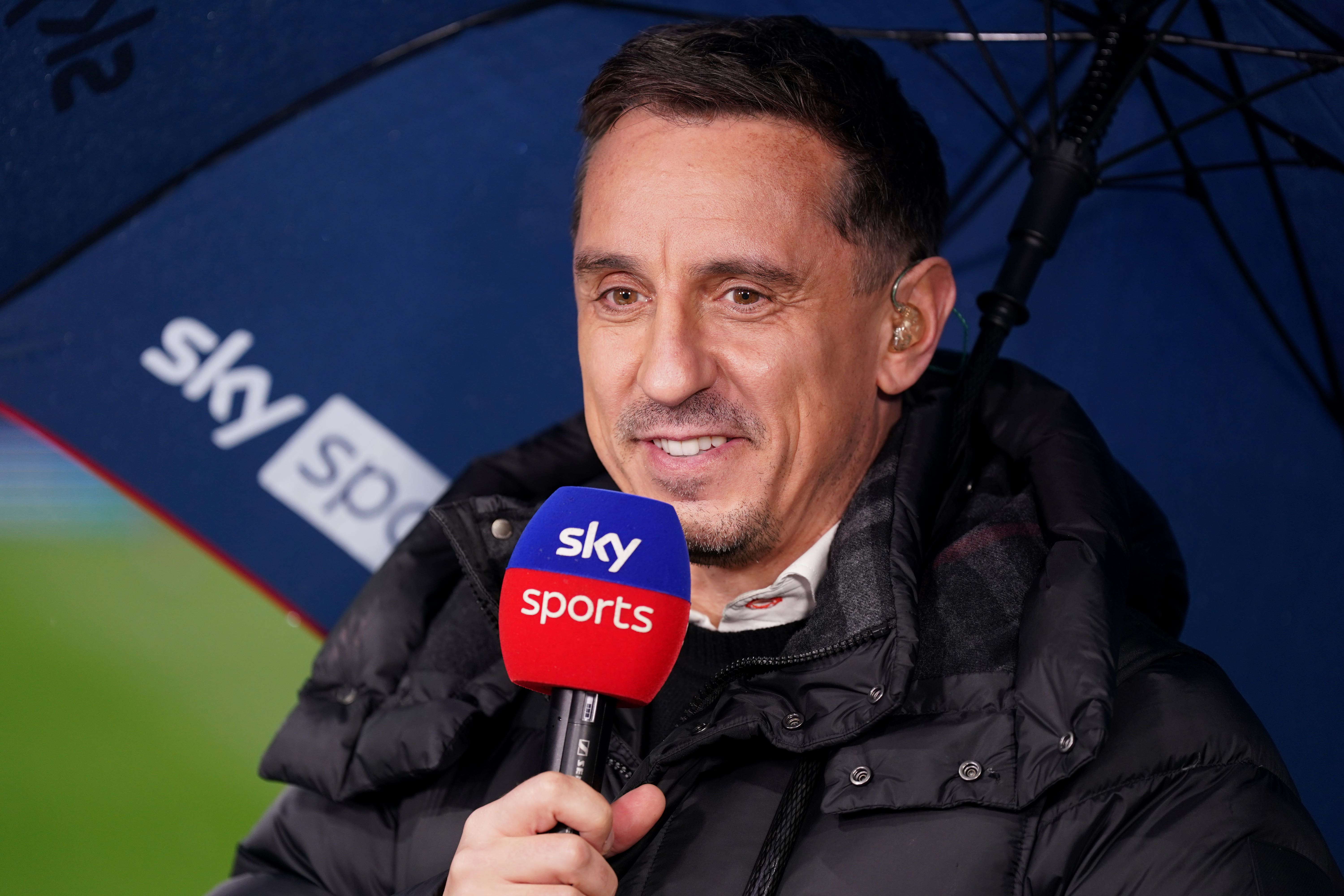
Neville specifically compared Amorim’s situation to the departure of Enzo Maresca from Chelsea, highlighting a pattern of managerial frustration with club ownership. This comparison, Ruben Amorim vs Enzo Maresca, underscores the prevalent challenges faced by managers in the Premier League when their visions clash with club directives. The tension between a manager’s desire for control and a club’s overarching strategic plan is a constant battle, often leading to similar outcomes. Examining the man united manager vs sporting lisbon manager dynamic, where Amorim previously enjoyed more autonomy, further illustrates the unique pressures of the Old Trafford role.
Delving into Ruben Amorim coaching style explained, his philosophy typically involves a high-intensity, possession-based approach with tactical flexibility. At Sporting Lisbon, he cultivated a reputation for developing young talent and achieving success with a clear, consistent methodology. However, translating this success to the demanding environment of Manchester United, coupled with perceived limitations in transfer dealings, proved to be a significant hurdle. The adaptation required for a club of United’s stature is immense, often testing a manager’s resolve and adaptability.
The challenges faced by Amorim underscore the broader difficulties in executing a coherent man united transfer strategy guide. Despite significant investment, the club has often struggled to build a cohesive squad that reflects a clear playing identity. The constant flux in managerial appointments and transfer policies contributes to instability, making it difficult for any coach to implement a long-term vision. Fans and pundits alike eagerly await the next man united manager update to see how the club plans to address these systemic issues.
The immediate aftermath of his sacking has dominated Ruben Amorim Man United news, with speculation rife about his next move and Manchester United’s future direction. The incident serves as a stark reminder of the volatile nature of top-tier football management, where results and relationships with the hierarchy are paramount. The club must now carefully consider its next steps to avoid repeating past mistakes and ensure a more stable future.
Looking ahead, the search for the best man united manager 2026 will undoubtedly be influenced by the lessons learned from Amorim’s brief spell. The club will need a leader who can navigate complex transfer dynamics, inspire a struggling squad, and align with the board’s long-term objectives. Simultaneously, speculation around Ruben Amorim next club 2026 suggests he remains a highly sought-after coach, likely to find success elsewhere once he has had time to reflect and recalibrate. Ultimately, the question of why was Ruben Amorim sacked will continue to shape discussions around Manchester United’s strategic direction for years to come.

![[post_title]](https://samony.com.ng/wp-content/uploads/2026/01/1767614308_What-Gary-Neville-said-about-Ruben-Amorim-just-before-his-300x200.jpg?lm=695BA766 "Why Ruben Amorim Was Sacked: Key Insights from Gary Neville")






