


The fatal Renee Good shooting controversy in Minneapolis has ignited a firestorm of alarm within White House circles, primarily due to the rapid and definitive response from Homeland Security Secretary Kristi Noem. Just hours after Renee Nicole Good was tragically shot by an ICE agent, Secretary Noem publicly labeled the incident an “act of domestic terrorism,” a pronouncement that has deeply troubled both current and former administration officials. This swift characterization, insiders fear, could severely undermine public confidence in the ongoing investigation and widen the credibility gap between the public and federal immigration agencies.
What happened in the Minneapolis shooting? The incident involved 37-year-old Renee Nicole Good, who was fatally shot by an ICE agent in Minneapolis. Reports indicate that Secretary Noem accused Good of “weaponizing her vehicle” against agents, leading to the controversial “domestic terrorism” claim.
Secretary Noem’s immediate and forceful declaration at a press conference, asserting that Good “weaponized her vehicle” and committed an “act of domestic terrorism,” set off immediate alarms. This preemptive judgment, delivered before a full investigation could unfold, has been widely criticized for its potential to bias public perception and compromise the impartiality of any subsequent findings. Officials close to the White House have voiced concerns, questioning the wisdom of making such a definitive statement at the outset, regardless of their personal opinions on the matter.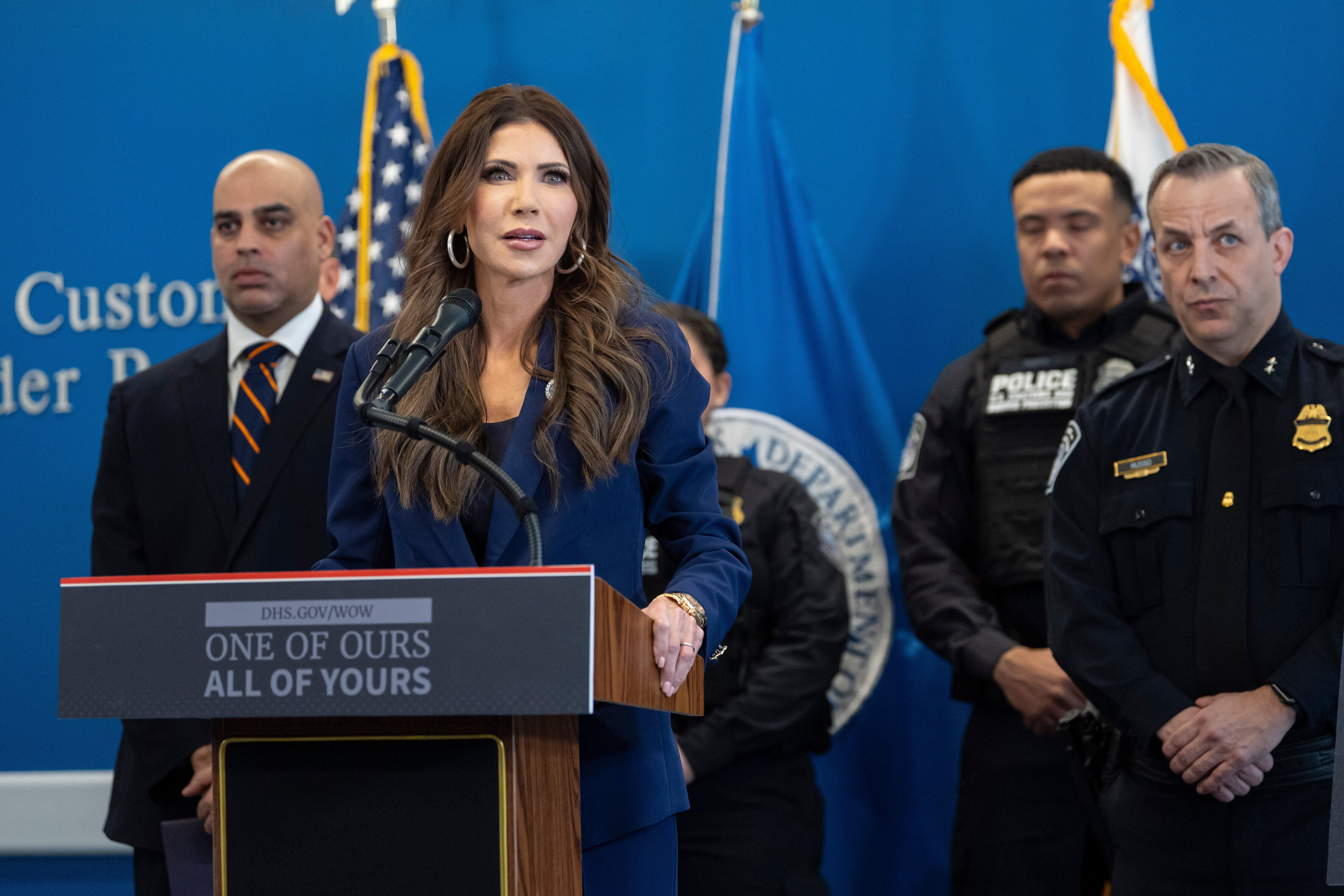
Within the administration, a significant unease has settled, with sources indicating fears that Noem’s message risks “undermining public confidence in the ongoing investigation” and “expanding the credibility gap between the public and the immigration agency.” This internal alarm underscores the gravity of the situation, as senior figures express dismay over the perceived damage to institutional trust and transparency. The implications for future law enforcement credibility are considered substantial.
Local officials and Democrats were quick to push back against the Trump administration’s characterization of the event. Minneapolis Mayor Jacob Frey notably dismissed the “domestic terrorism” claims as “bulls,” highlighting the stark political divide and the immediate backlash to Noem’s statements. This strong condemnation from local leadership further fuels the contentious narrative surrounding the shooting and the DHS response.
Following the incident, several videos, including footage released by the DHS, have emerged, purportedly showing the moments leading up to the fatal shooting. The agency’s accompanying social media post asserted Good was “STALKING and IMPEDING a law enforcement operation.” However, these visual accounts have been subject to wildly different interpretations by Democrats and Republicans, further exacerbating political tensions and deepening the existing divisions over the event. The conflicting narratives only serve to complicate the Renee Good shooting controversy.
Comparing the Minneapolis shooting vs. Portland shooting incident, an administration official pointed to a separate event in Portland, Oregon, where Border Patrol agents shot two people. While acknowledging a degree of sympathy for the Portland shooting due to its context within a targeted operation, the official conceded that both incidents would likely be associated, stating, “This is highly problematic and not a good look and not something our government should be remotely engaged in,” referring to the Minneapolis event. This highlights the administration’s internal struggle with the optics of recent law enforcement actions.
Expert criticism regarding the premature judgment has been vocal. John Sandweg, a former ICE director under President Barack Obama, articulated a key concern: “Whatever outcome this investigation produces, I don’t see how anyone’s gonna believe it when the secretary already is firmly — and doubled down on — a conclusion without knowing all the facts.” This sentiment reflects a broader worry that the investigation’s legitimacy is already compromised in the public eye.
DHS Assistant Secretary for Public Affairs Tricia McLaughlin has, however, doubled down on the administration’s stance. When questioned about the internal concerns, McLaughlin referred to the shared videos and reiterated, “If you weaponize a vehicle, a deadly weapon to kill or cause bodily harm to a federal law enforcement officer, that is an act of domestic terrorism and will be prosecuted as such.” This firm position indicates a lack of retreat from the initial controversial claim, despite the internal and external backlash.
The broader impact on public trust in government investigations is profound. The perception that a high-ranking official has pre-judged an active investigation risks eroding the public’s faith in the fairness and impartiality of federal agencies. This situation creates a challenging environment for any subsequent findings to be accepted as credible, regardless of their factual basis. The ability to recover from such a significant credibility gap remains a central question.
Why was Renee Good shot? The core question surrounding the shooting remains clouded by the competing narratives and the controversy stirred by the DHS response. A transparent and unbiased investigation is crucial to establish the full facts and provide clarity, yet the early declarations have complicated this process. The need for a detailed, objective account is paramount for accountability and to address the deep public concern.
Ultimately, the Renee Good shooting controversy has exposed significant rifts within the White House and between the administration and the public. The alarm among insiders and the strong pushback from local officials underscore the challenges of restoring confidence in federal law enforcement actions when swift, polarizing judgments are made. The path to recovery and rebuilding trust in the investigation’s outcome appears fraught with difficulty, leaving many to wonder how the administration can move forward from this contentious episode.







