


Public indecency at sports events has become a recurring flashpoint, igniting heated debates about appropriate fan behavior, freedom of expression, and the family-friendly atmosphere often associated with live sporting spectacles. The recent incident involving adult content creator Danae Mari at the Anaheim 1 Supercross event, where she publicly exposed herself, serves as a stark reminder of how quickly a moment of exhibitionism can escalate into widespread controversy and even physical altercations. This particular event, captured on video and widely circulated, reignited discussions across social media platforms and traditional news outlets about the boundaries of conduct in public spaces, especially when children are present. The ensuing brawl, triggered by an enraged spectator protesting the flashing, underscored the deep divisions in public opinion regarding such acts.
The incident at Angel Stadium quickly spiraled beyond a simple act of flashing. What began as a seemingly isolated moment of exhibition for some spectators rapidly transformed into a full-blown argument, with one woman vocally expressing her outrage over the presence of children. Her protests, met with a mix of cheers and boos, ultimately led to drinks being thrown, culminating in a physical confrontation. This sequence of events highlights the volatile nature of crowd dynamics and how differing interpretations of acceptable behavior can quickly lead to an unraveling of public order. Event organizers and security personnel often face an unenviable task in managing such unpredictable situations.
What is considered public indecency typically involves actions or displays that are openly offensive or lewd according to community standards, often performed in public where they could be seen by others who may be offended. Laws vary by jurisdiction, but generally, public indecency refers to acts like flashing or public urination, which are deemed inappropriate for public consumption and can carry legal consequences.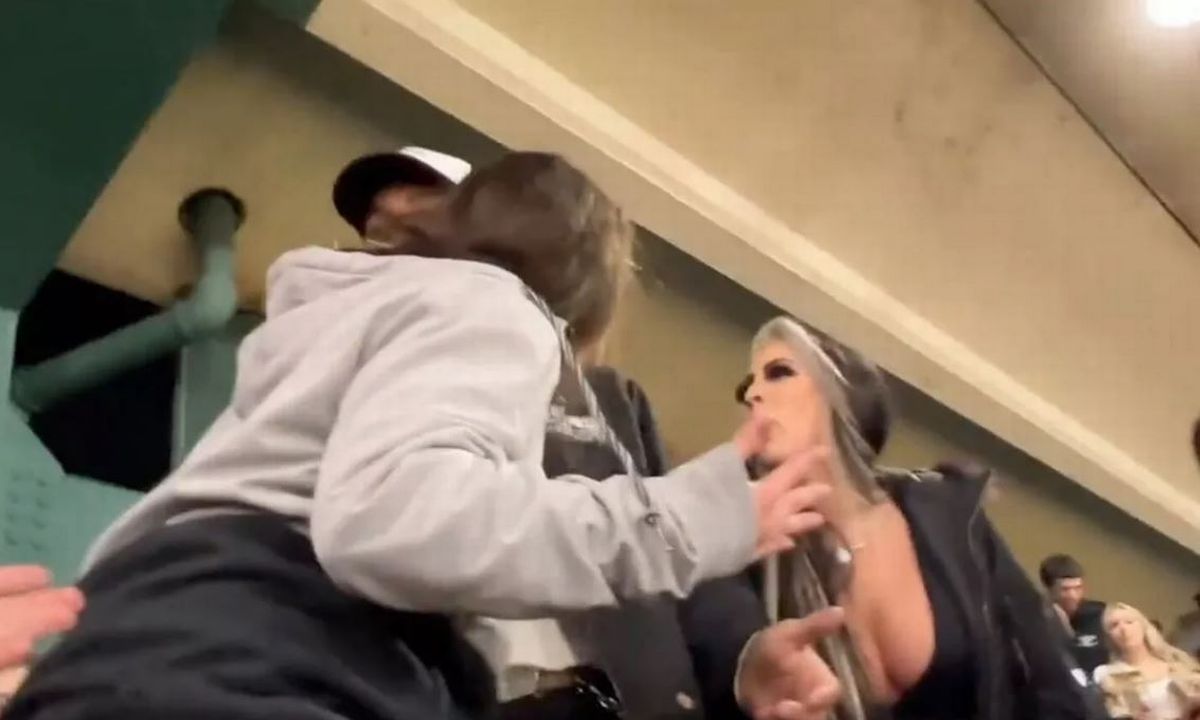
The core of the debate often centers on the tension between freedom of expression vs public decency. While individuals may argue for their right to express themselves without inhibition, society generally places limits on such freedoms when they infringe upon the rights or sensibilities of others, particularly vulnerable populations like children. This delicate balance is constantly being negotiated in public forums, with incidents like the Supercross flashing bringing these discussions to the forefront.
Adult content vs mainstream media also played a role in the Supercross incident’s virality and the public’s reaction. Danae Mari, as an adult content creator, operates in a sphere where explicit content is her profession. However, transporting that persona and behavior into a mainstream, family-oriented event like a Supercross race naturally sparks conflict. The expectations of conduct differ vastly between these two environments, leading to inevitable clashes when boundaries are blurred.
For event organizers, maintaining a positive and safe atmosphere is paramount. Implementing a clear sports event fan behavior guide is crucial for setting expectations for attendees. Such guides typically outline prohibited activities, including public indecency, and the consequences for violating these rules. They serve not only as a deterrent but also as a framework for security teams to manage unruly crowds and prevent escalations.
Understanding public indecency laws explained is also vital for both individuals and event organizers. These laws are designed to protect the public from offensive displays and ensure a certain level of decorum in shared spaces. While the specifics can vary significantly depending on the state or country, the general intent is to prevent acts that are overtly sexual or crude from being performed openly. The legal implications for individuals involved in such incidents can range from fines to more serious charges, depending on the severity and context.
Social media has undeniably amplified the impact of incidents like the Danae Mari controversy update. Footage shared across platforms like TikTok and X ensures that such events go viral almost instantly, reaching a global audience. This widespread dissemination not only fuels public debate but also subjects the individuals involved to intense scrutiny, criticism, and sometimes even threats, as Mari herself reported receiving. The immediate and unfiltered nature of social media can turn a single incident into a prolonged news cycle.
When considering why do fans misbehave at sporting events, several factors come into play. Alcohol consumption, the intensity of competition, herd mentality, and a perceived sense of anonymity within large crowds can all contribute to individuals acting out in ways they might not otherwise. The desire for attention, as possibly demonstrated in this Supercross fan incident news, can also be a significant motivator for disruptive behavior, especially in an age where viral fame is often sought after.
Looking ahead, sports event security trends 2026 will likely focus on enhanced surveillance technologies, improved crowd management strategies, and more proactive measures to identify and address potential troublemakers before incidents escalate. The goal is to create environments where all attendees, particularly families, feel safe and comfortable. Furthermore, a robust fan code of conduct guide 2026 will be essential, clearly communicating expectations and consequences to ensure that everyone understands the boundaries of acceptable behavior at public events.
The ongoing debate surrounding public indecency at sports events underscores a societal challenge in balancing individual freedoms with collective standards of decency. As live events continue to be a vital part of culture, finding effective ways to manage fan behavior and address controversial incidents remains a key priority for organizers and communities alike. The incident involving Danae Mari serves as a potent case study in the complexities of modern public conduct.









