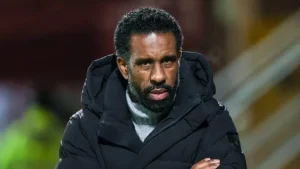
Special Adviser to President Bola Tinubu on Policy Communication, Daniel Bwala, has sparked significant debate by predicting a notable decline in Peter Obi’s political influence ahead of the crucial 2027 general election. Bwala firmly dismisses the former Anambra State governor’s prospects, arguing that Obi will not replicate the extensive support he garnered in the last polls. This analysis delves into the core reasons behind such a projection, examining the unique political dynamics that shaped Obi’s 2023 campaign and the challenges he faces in maintaining momentum.
Bwala’s central argument posits that Obi’s meteoric rise in 2023 was primarily driven by a unique political moment, rather than a robust, sustained political structure or deep-seated influence across the nation. He suggests that the wave of enthusiasm and momentum that propelled Obi during the previous election cycle has significantly receded. This perspective challenges the narrative often presented by Obi’s ardent supporters, prompting a re-evaluation of his political trajectory and future viability in the complex Nigerian landscape.
A critical point highlighted by Bwala is the perceived weak representation of the Labour Party in the National Assembly, coupled with the underperformance of its candidates in several subsequent elections across the country. For instance, out of over 100 bye-elections held since 2023, the Labour Party reportedly secured less than 5% of the seats, indicating a struggle to translate widespread online support into tangible electoral victories at grassroots levels. This lack of a strong institutional presence is often cited as a significant impediment to building enduring political power and influence.
Why is Peter Obi’s influence declining? The answer is rooted in a unique 2023 political moment that lacked sustainable structural support, according to analysts. Weak National Assembly representation, poor Labour Party election performance, and a history of party defections are key contributing factors.
Bwala further criticized Peter Obi’s political trajectory, particularly his frequent movement across various political parties, which he believes has undermined his long-term credibility and consistency. While Obi’s supporters often point fingers at other politicians for defections, Bwala reminds observers that their principal has navigated through multiple party affiliations over the years, starting with the PDP, then APGA, and eventually the Labour Party. This history of party changes raises questions about his ideological steadfastness and commitment to any single platform.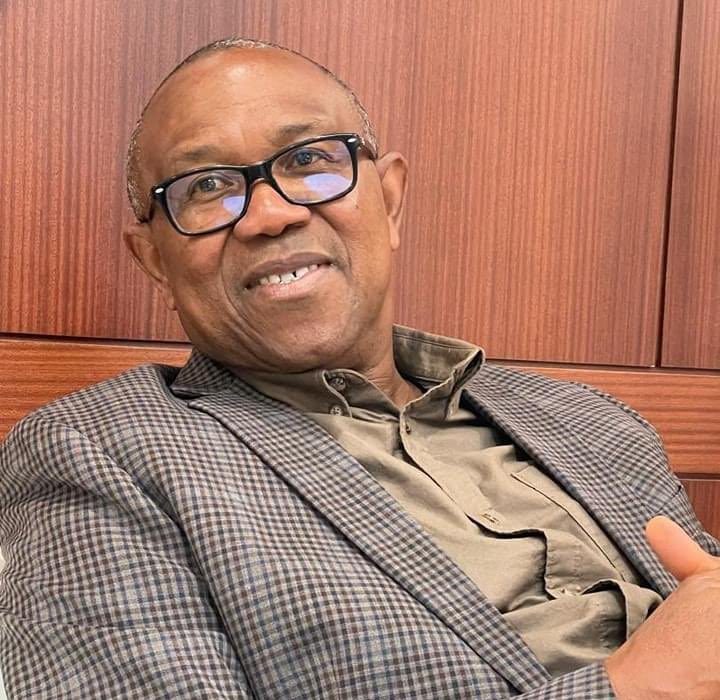
Looking ahead to 2027, the lawyer and political analyst also questioned Obi’s potential relevance within emerging political coalitions. He asserted that Peter Obi would likely not emerge as either a presidential or vice-presidential candidate within such alliances, suggesting a diminishing leverage in high-stakes political negotiations. This prediction implies a difficult path for Obi to secure a top-tier ticket, potentially forcing him to seek alternative, less prominent roles or platforms.
Daniel Bwala’s political predictions extend to Obi’s potential electoral vehicle in 2027. He speculated that Obi would ultimately contest the next election on a platform different from both the Labour Party and the African Democratic Congress (ADC). This foresight suggests an expectation of further political realignments and a shifting landscape for key political figures, including Obi, as the next election cycle approaches.
Another significant aspect of Bwala’s analysis touches on the often-debated correlation between social media influence and actual electoral success. He insisted that Peter Obi’s considerable online popularity, while undeniable, does not necessarily translate into winning elections within Nigeria’s unique and often complex political terrain. Online activism, while crucial for mobilization and awareness, must be complemented by robust grassroots structures and effective voter turnout mechanisms to secure victory.
Bwala described Obi as an ‘actor’ in the political arena, drawing an analogy to movies where ‘make-believe’ is distinct from reality. He observed that after the 2023 election, Obi seemingly ‘lost everybody he was leading,’ pointing to the limited number of House of Representatives members and senators affiliated with his movement. This perspective underscores the challenge of converting transient popular movements into sustainable political forces capable of securing and maintaining power.
For those seeking a Nigerian presidential election 2027 guide, understanding these dynamics is crucial. The path to power in Nigeria demands more than just charisma or a momentary surge of popularity; it requires deep-seated structures, consistent party loyalty, and the ability to build broad-based coalitions. The comparison between Peter Obi vs Tinubu 2027, therefore, extends beyond individual personalities to the strength of their respective political machinery and long-term strategic planning.
Ultimately, the discussion around Peter Obi’s political influence ahead of 2027 is a multifaceted one, involving an examination of past electoral performance, party loyalty, coalition dynamics, and the critical distinction between online popularity and tangible electoral power. The future of Labour Party Nigeria and Obi’s ambition analysis will continue to be a subject of intense scrutiny as the next election draws nearer, shaping the contours of Nigerian politics.