

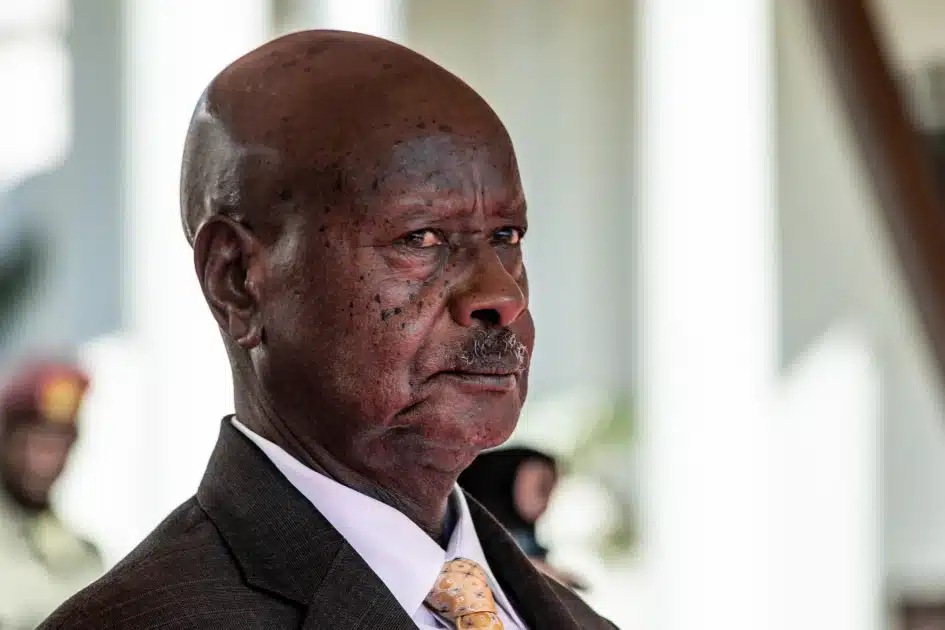
Ugandan President Yoweri Museveni, at 81, has signaled his interest in a seventh term, a move extending his rule to nearly four decades. This prolonged tenure has intensified discussions around the critical issue of Museveni succession, a topic now dominating political discourse both within the country and among international observers. The prospect of an octogenarian leader continuing to hold power raises significant questions about Uganda’s democratic future and the mechanisms for a peaceful transfer of leadership.
Museveni first came to power in 1986, leading a rebel movement that promised a “fundamental change” after years of dictatorship and instability. He famously warned against leaders overstaying in power, a sentiment often recalled by his critics today. His initial years brought a sense of hope and relative stability, laying the groundwork for a nation seeking to rebuild.
However, almost 40 years later, many argue that these promises have largely faded. Critics point to widespread corruption, a decline in democratic institutions, and an ever-tightening grip on power. This shift has led to growing scrutiny of how long has Museveni ruled Uganda and the implications of such a lengthy presidency on the nation’s political maturity.
What is the political situation in Uganda? The political situation in Uganda is characterized by President Yoweri Museveni’s nearly four-decade rule, marked by contested elections, allegations of democratic decline, and a prominent debate surrounding his potential seventh term and future Museveni succession.
While facing domestic criticism, Museveni’s government has received international praise for its early response to the HIV/AIDS epidemic, its role in defeating the Lord’s Resistance Army insurgency, and its contributions to peacekeeping missions in Somalia and South Sudan. Uganda also notably hosts one of Africa’s largest refugee populations, a policy commended by humanitarian agencies.
Despite international accolades, allegations of corruption have persisted throughout his administration. Parliamentary reports have detailed how senior government officials and associates allegedly benefited from privatization deals, often at the expense of underfunded public services. This systemic issue remains a major concern for those following ugandan politics for beginners.
A pivotal moment in Museveni’s extended rule came in 2005 when Uganda’s parliament controversially removed presidential term limits. This decision, widely criticized by opposition figures and civil society groups, effectively paved the way for his indefinite stay in power. It also set the stage for subsequent elections where figures like pop star Bobi Wine emerged as a significant challenger, leading to intense debates comparing Museveni vs Bobi Wine.
The recent election cycle has seen Museveni consistently declared the winner, though opposition parties have frequently rejected the outcomes, citing vote-rigging and intimidation. Security forces have often moved swiftly to suppress protests, creating a tense atmosphere around every uganda political update. This pattern underscores the challenges to democratic processes in the country.
With Museveni showing signs of frailty at 81, attention has increasingly shifted from election outcomes to the question of who might succeed him. Much speculation centers on his son, Muhoozi Kainerugaba, the army chief, whose rapid rise through the military ranks has fueled claims of an attempted dynastic succession. Understanding this complex dynamic is crucial for any uganda election guide.
The possibility of Muhoozi Kainerugaba taking the reins is a central component of the broader museveni succession guide 2026. This potential transfer of power, whether through democratic means or otherwise, will undoubtedly shape Uganda’s trajectory for decades. Observers are keenly watching for any indications of a planned handover.
The ongoing debate about uganda democracy vs dictatorship remains at the forefront of discussions about the country’s political future. Critics argue that Museveni’s prolonged rule, coupled with the suppression of dissent and alleged electoral irregularities, has eroded democratic norms, pushing the nation towards a more authoritarian model.
Looking ahead, uganda election 2026 predictions are already being discussed, even without official announcements, highlighting the public’s focus on future leadership. The mood on the ground suggests a yearning for change, even if any actual handover of power may still be years away. The future stability and direction of Uganda hinge significantly on how the impending Museveni succession ultimately unfolds.
Keywords: how long has museveni ruled uganda, what is the political situation in uganda, museveni vs bobi wine, uganda democracy vs dictatorship, uganda election guide, ugandan politics for beginners, museveni latest news, uganda political update, uganda election 2026 predictions, museveni succession guide 2026






