The political landscape is currently witnessing a significant shift, highlighted by Marjorie Taylor Greene’s public criticism of Donald Trump’s agenda. This unexpected turn from a staunch former ally has sparked considerable debate, prompting questions about the future direction of the Republican Party and the ‘America First’ movement itself. Greene, a prominent Georgia Republican Representative, has increasingly vocalized her concerns, particularly regarding Trump’s foreign policy engagements, signaling a potential fracturing within the populist base that once rallied unanimously behind the former president. Her recent statements underscore a growing discontent among certain factions who believe Trump is deviating from his core promises.
Greene’s disaffection became particularly evident following Trump’s engagements with foreign leaders, including Ukrainian President Volodymyr Zelensky and Israeli Prime Minister Benjamin Netanyahu. Her pointed remarks on social media, questioning the focus on international affairs over domestic issues, directly challenged Trump’s perceived commitment to an ‘America First’ ideology. This shift is not merely a personal spat but reflects a deeper ideological struggle within conservative circles about the definition and application of nationalist principles versus global interventionism. The intensity of their public exchange suggests a critical juncture for both figures and their respective political trajectories.
What is Marjorie Taylor Greene’s stance on Trump’s foreign policy? The answer is that Greene has vehemently criticized Trump’s recent foreign policy decisions, arguing that his engagements with leaders like Zelensky and Netanyahu distract from the ‘America First’ commitment to prioritizing domestic issues and avoiding international entanglements.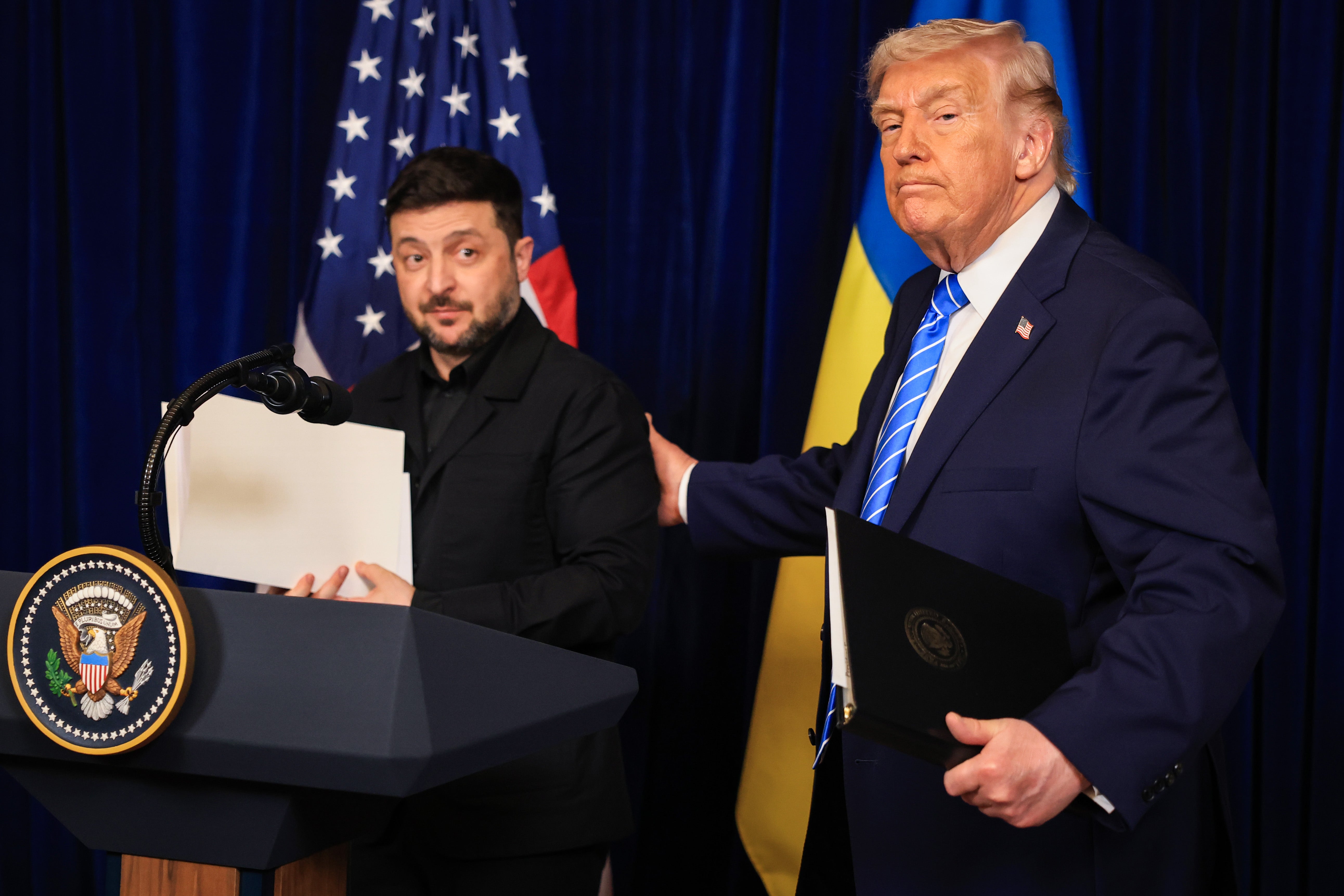
Her critique extends beyond specific meetings, encompassing a broader dissatisfaction with what she perceives as a departure from the isolationist and non-interventionist tenets she champions. Greene, known for her outspoken nature, has not shied away from labeling Zelensky as a ‘dictator’ and accusing Israel of committing ‘genocide’ in Gaza, positions that directly conflict with more traditional Republican foreign policy stances and, by extension, Trump’s recent actions. This contrast in their approaches to global affairs is a primary driver of the current political friction.
The dynamic between Marjorie Taylor Greene vs Donald Trump has evolved dramatically from one of unwavering support to open contention. Initially a fervent MAGA supporter, Greene’s recent actions, including her announced resignation from the House in January, illustrate a profound ideological divergence. This split is not just about policy; it’s also about perceived loyalty and the interpretation of the populist mandate. Trump, in turn, has responded with characteristic ferocity, coining the derogatory nickname ‘Marjorie Traitor Brown’ and accusing her of being ‘jilted,’ further escalating the public feud.
The implications of this escalating dispute are significant for the Republican Party. The ‘America First’ policy, a cornerstone of Trump’s political identity, emphasizes national interests above all else, often translating into protectionist trade policies, reduced foreign aid, and a more cautious approach to international alliances. Greene’s argument is that Trump’s recent diplomatic efforts, particularly those involving substantial foreign commitments or discussions, betray this core principle. This creates a difficult balancing act for other Republicans who must navigate allegiance to Trump while acknowledging the concerns raised by his former allies.
Understanding Marjorie Taylor Greene’s political views explained through her recent actions reveals a consistent anti-establishment and nationalist perspective. Her criticisms of Trump’s handling of various issues, from healthcare to the Jeffrey Epstein scandal, further illustrate her independent streak and her willingness to challenge figures even within her own political camp. These stances highlight her commitment to a particular brand of conservative populism that, in her view, Trump is no longer fully embodying.
Looking ahead, the trump’s agenda for 2025 guide suggests that foreign policy will remain a complex area. While Trump often campaigned on a platform of disengagement, the realities of global leadership frequently necessitate diplomatic intervention. The tension between his stated ‘America First’ principles and the practical demands of international relations will likely continue to be a point of contention and adaptation. The ongoing public dialogue between Greene and Trump brings these inherent challenges into sharp focus, forcing a reevaluation of the movement’s core tenets.
The marjorie taylor greene news update consistently features her bold pronouncements and willingness to confront party leadership. Her actions serve as a bellwether for a segment of the Republican base that feels increasingly disenfranchised by mainstream political maneuvering. This internal conflict is a critical development, potentially influencing voter sentiment and party unity heading into future election cycles. The outcome of this high-profile disagreement could redefine the boundaries of acceptable dissent within the GOP.
The political fallout from the trump zelensky meeting latest discussions, which Greene vehemently opposed, underscores the ideological chasm. While Trump presented the meeting as a step towards peace, Greene viewed it as an unnecessary entanglement. This fundamental difference in interpretation highlights the deep divisions on how the United States should project its power and influence globally. The ongoing debate about such high-profile interactions will undoubtedly shape the narrative for both Trump and his critics.
The marjorie taylor greene 2025 outlook will likely see her continue to be a vocal and often controversial figure in American politics. Her willingness to challenge established norms, even those set by the de facto leader of her party, positions her as a significant force in shaping conservative discourse. Her actions and rhetoric will continue to draw attention, and her influence on the populist wing of the Republican Party should not be underestimated. This ongoing dynamic between Greene and Trump is a critical development for understanding contemporary American conservatism.
The future of the republican party future 2025 hinges partly on how these internal conflicts are resolved or managed. The clash between a former president seeking to redefine his legacy and a fiery congresswoman advocating for a purer form of populism represents a microcosm of the broader challenges facing the GOP. The resolution of this tension, or its continued escalation, will have profound implications for the party’s cohesion, its policy platforms, and its electoral strategies in the years to come. This robust Marjorie Taylor Greene Trump criticism is a key indicator of evolving political alignments.