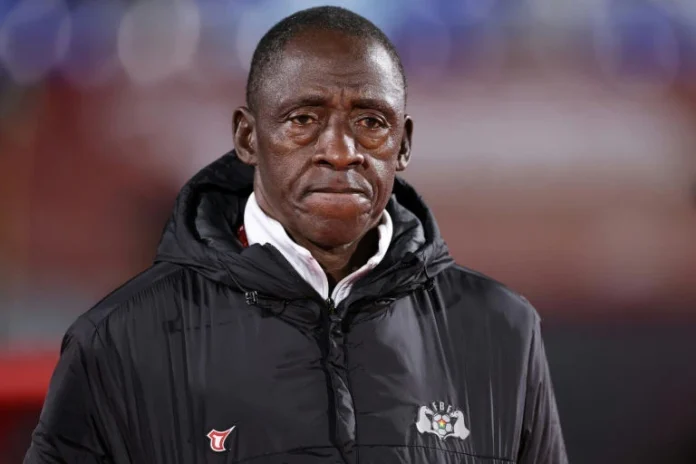
The political landscape in Nigeria is abuzz with speculation following Senator Rabiu Musa Kwankwaso’s recent pronouncement regarding his potential return to the All Progressive Congress (APC). A pivotal figure in Nigerian politics, Kwankwaso has laid down specific prerequisites, igniting widespread discussion among political observers and citizens alike. Understanding what are Kwankwaso’s conditions for APC is crucial for anyone following the intricate dance of party realignments in the nation. His stance signals a calculated move, not a blind defection, emphasizing the need for clarity and concrete agreements before any such significant political shift.
Kwankwaso, a former two-term Governor of Kano State and a Senator, is a formidable force in Nigerian politics, known for his ‘Kwankwasiyya’ movement which commands a loyal following, particularly in the Northwest. His journey has seen him traverse various political affiliations, often shaping the fortunes of parties he joins or departs. The New Nigeria People’s Party (NNPP), which he leads, emerged as a significant third force in the last general elections, demonstrating his enduring influence and capacity to mobilize grassroots support. This history underscores the weight of his current decision-making process.
At the heart of Kwankwaso’s declaration are non-negotiable demands for transparency and a defined role. He explicitly stated that he “will not go to the APC blindly.” His conditions include being “clearly informed of my role, the direction of the journey, and the fate of our plans for the common people including the position of our supporters and the Kano State Government.” This isn’t merely about personal ambition but reflects a deep concern for his political structure, his supporters, and the ideological direction of any potential alliance. These are critical aspects for any leader of his stature contemplating such a significant move.
Why is Kwankwaso considering APC after leading the NNPP to a strong showing in the last elections? Several factors might be at play. Political alliances in Nigeria are often fluid, driven by a complex interplay of regional interests, power consolidation, and strategic positioning ahead of future electoral cycles. A return to the ruling party could offer Kwankwaso a platform for greater national influence and resource allocation for his base. It could also be a response to internal party dynamics within NNPP or perceived limitations in achieving his political objectives outside the dominant parties.
The potential implications for both the NNPP and APC are substantial. The NNPP vs APC Nigeria dynamic would shift dramatically if Kwankwaso, a key architect of NNPP’s success, were to depart. While the NNPP has established itself, his exit could weaken its national appeal and organizational structure, especially in states where his personal influence is paramount. For the APC, bringing Kwankwaso back would be a significant coup, potentially consolidating its hold in the Northwest, a politically crucial region, and adding a seasoned strategist to its ranks.
Analyzing Kwankwaso’s political trajectory reveals a consistent pattern of strategic maneuvering aimed at maximizing influence and advocating for his constituents. His Kwankwaso political strategy explained through past actions often involves careful negotiation and a clear articulation of terms before committing. This approach minimizes risks and ensures his political capital is leveraged effectively. His current demands are consistent with a leader who understands the power of his base and seeks guarantees for their welfare and representation within any new political arrangement.
What are Kwankwaso’s conditions for APC? Senator Rabiu Musa Kwankwaso has stated he will only rejoin the All Progressive Congress (APC) if a concrete agreement is reached, clearly defining his role, the party’s direction, and the plans for his supporters and the common people. He emphasizes the need for transparency regarding his position and future involvement.
The specific mention of the Kano State Government and his supporters highlights the localized yet profound impact of his decision. Governor Abba Yusuf, a protégé of Kwankwaso, currently leads Kano State under the NNPP banner. Any move by Kwankwaso would undoubtedly influence the political dynamics within the state, potentially leading to realignments or reinforcing existing power structures. This intricate relationship between mentor and protégé adds another layer of complexity to the ongoing discussions.
Looking ahead to Kwankwaso political future 2026, his decision will undeniably shape the contours of Nigerian politics. A successful integration into the APC, on his terms, could position him for a more prominent role in future national elections or governance. Conversely, a failure to reach an agreement could see him solidify NNPP as a potent opposition force, further complicating the political calculations for all major parties. Political analysts are keenly watching these developments, recognizing their potential to redefine alliances and power balances.
For Nigerian political parties for beginners, understanding this episode offers a valuable lesson in the fluid and often transactional nature of political alliances in the country. Leaders frequently weigh their options based on perceived influence, electoral viability, and the capacity to deliver for their constituents. Kwankwaso’s current negotiation is a prime example of a political veteran asserting his value and seeking assurances for his base before making a critical move.
Recent Kwankwaso political news update indicates that discussions are ongoing, with various stakeholders attempting to bridge the gap between his demands and the APC’s offerings. The outcome will not only determine Kwankwaso’s immediate political path but also significantly impact the broader APC Nigeria latest news cycle, influencing public perception and party strategies across the country. This saga underscores the continuous evolution of Nigeria’s multi-party democracy.
Ultimately, the political future of Kwankwaso and the implications for both the Kwankwaso vs APC political future remain subjects of intense scrutiny. His conditions are not merely procedural; they are a testament to his commitment to his political ideology and his vast support base. The resolution of these negotiations will provide crucial insights into the evolving power dynamics within Nigeria’s political landscape, offering a glimpse into the Nigerian political analysis 2026 and beyond. The answers to what are Kwankwaso’s conditions for APC will undoubtedly reverberate throughout the nation’s political corridors for years to come.
Keywords: what are Kwankwaso's conditions for APC, why is Kwankwaso considering APC, NNPP vs APC Nigeria, Kwankwaso vs APC political future, Kwankwaso political strategy explained, Nigerian political parties for beginners, Kwankwaso political news update, APC Nigeria latest news, Kwankwaso political future 2026, Nigerian political analysis 2026