


Is kissing babies on the mouth safe? This question has sparked considerable debate among parents, pediatricians, and public figures alike. While a kiss is often seen as a universal symbol of love and affection, particularly between a parent and child, new discussions are prompting a closer look at the potential health implications of direct mouth-to-mouth contact with infants and young children. Understanding the risks involved is crucial for ensuring the well-being of our little ones. Recent celebrity commentary has brought this topic to the forefront, highlighting the ongoing conversation around parenting advice on kissing children. Some argue it is a harmless display of love, while others emphasize the critical importance of hygiene and child health. This article delves into the various perspectives, focusing on expert recommendations and practical advice for parents. The core issue revolves around balancing genuine parental affection with stringent child hygiene practices, a challenge many new parents face daily.
What are the risks of kissing children on the mouth? The answer is that direct mouth-to-mouth contact can transmit viruses, bacteria, and other pathogens that a child’s developing immune system may not be equipped to handle, potentially leading to infections like cold sores, colds, or even more serious illnesses. This vulnerability makes infants and toddlers particularly susceptible to infections that might be mild for adults but severe for them.
One of the most significant concerns revolves around the Herpes Simplex Virus (HSV-1), commonly known as the cold sore virus. While an adult might only experience a minor cold sore, transmission to an infant can lead to neonatal herpes, a potentially life-threatening condition that can affect the brain, liver, and other organs. Many adults carry HSV-1 asymptomatically or only develop cold sores occasionally, making them unaware of the risk they pose to a baby. The consequences for a newborn can be devastating, underscoring why extreme caution is advised.
Beyond HSV-1, a plethora of other common pathogens can be easily transferred through saliva. Respiratory Syncytial Virus (RSV), influenza, the common cold, and even streptococcus bacteria can be passed from an adult’s mouth to a child’s. A baby’s immune system is still developing during their first few months and years, meaning they lack the robust defenses that adults have built up over time. This makes them more prone to severe reactions to infections that an older child or adult might shrug off with minor symptoms.
When considering a mouth kiss vs cheek kiss for babies, the distinction is clear in terms of hygiene. A cheek kiss, a forehead kiss, or a gentle peck on the hand offers the same warmth and affection without the direct exchange of saliva. This simple adjustment significantly reduces the risk of pathogen transmission, providing a safer way to express love. Pediatricians often highlight that physical affection is vital for a child’s development, but it must be practiced with an awareness of health and safety.
Finding the best ways to show affection to toddlers and infants without compromising their health is a key aspect of modern parenting. Hugs, cuddles, singing, reading stories, and engaging in play are all powerful forms of bonding that do not involve mouth-to-mouth contact. These interactions not only foster emotional security but also contribute positively to a child’s cognitive and social development. The emphasis should always be on creating a loving and nurturing environment that prioritizes the child’s physical well-being.
For new parents, understanding child hygiene tips for new parents extends beyond just handwashing and diaper changes. It includes being mindful of how physical affection is expressed, especially when the child is very young. Educating caregivers, friends, and family members about these precautions is also essential. Sometimes, well-meaning relatives may not be aware of the potential dangers, making it incumbent upon parents to politely communicate their boundaries regarding direct mouth contact.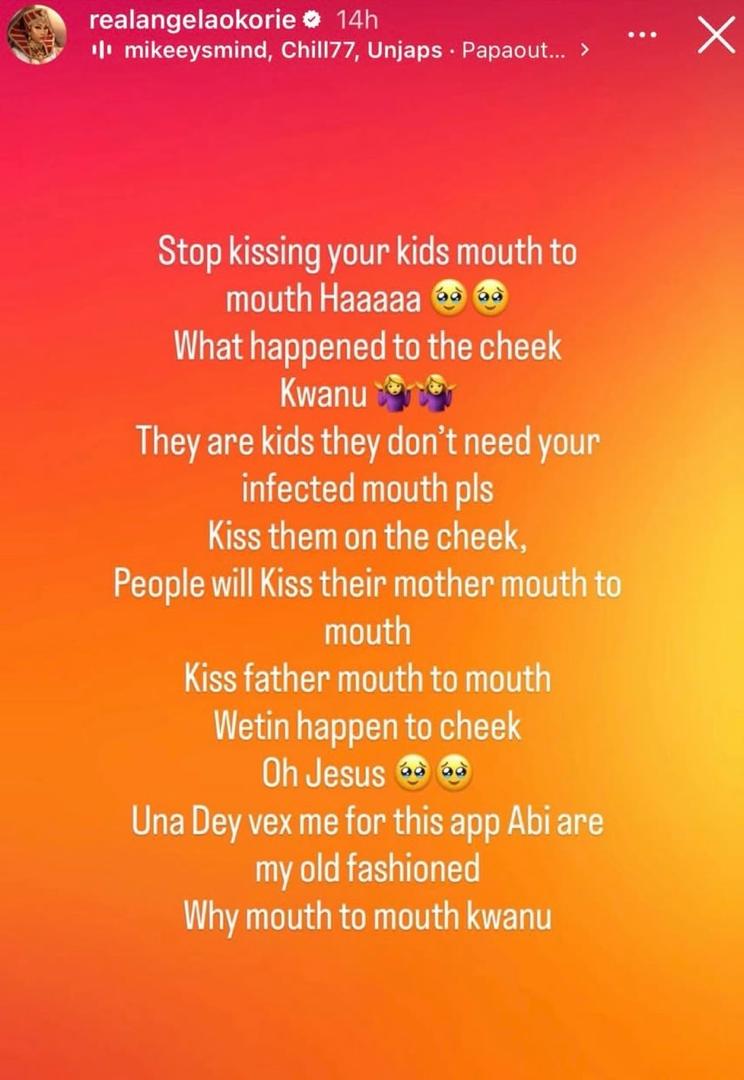
The broader discussion about parental affection vs child hygiene often requires a cultural shift in perspective. For generations, mouth-to-mouth kissing of children was common in many cultures, seen as a natural expression of familial love. However, with increased medical knowledge and understanding of disease transmission, these practices are being re-evaluated. This ongoing conversation is a crucial part of public health awareness, particularly as child health news today frequently highlights new insights into pediatric care.
As we look ahead to a healthy parenting guide 2026, it is clear that informed decisions about child safety and hygiene will continue to be paramount. Parents are becoming more proactive in seeking out evidence-based advice to protect their children from preventable illnesses. This includes a growing emphasis on preventative measures and a deeper understanding of how everyday interactions can impact a child’s health trajectory.
Implementing comprehensive child hygiene tips 2026 will involve not only personal practices but also community-wide awareness campaigns. The goal is to empower parents with the knowledge to make choices that support their children’s robust health and development, ensuring that expressions of love are always safe and beneficial. Ultimately, is kissing babies on the mouth safe? The consensus among medical professionals increasingly leans towards caution, advocating for alternative, equally loving, and safer forms of affection.







