

![[post_title]](https://samony.com.ng/wp-content/uploads/2025/11/1764233657_Pope-Leo-embarks-on-his-first-foreign-visit-to-Turkey-1024x683.jpg?lm=692811C3)
Pope Leo XIV’s Turkey Visit: A Critical Look at Geopolitics, Religious Dialogue, and Regional Stability
Pope Leo XIV is heading to Turkey, a trip that carries weight far beyond religious circles. This visit, initially planned by the late Pope Francis, aims to commemorate a key Orthodox anniversary and nudge peace efforts in Ukraine and the Middle East. It’s a complex undertaking, layered with political and historical significance.
The first stop is Ankara, where the Pope will meet with President Erdogan and address the diplomatic corps. This meeting presents an interesting dynamic. Turkey, a predominantly Sunni Muslim nation of over 85 million, wields considerable influence as a mediator in the Russia-Ukraine conflict and the ongoing crisis in Gaza. Erdogan’s government has even offered to contribute to a Gaza stabilization force. Whether Pope Leo will actively endorse these efforts remains to be seen, but certainly his presence lends a degree of support.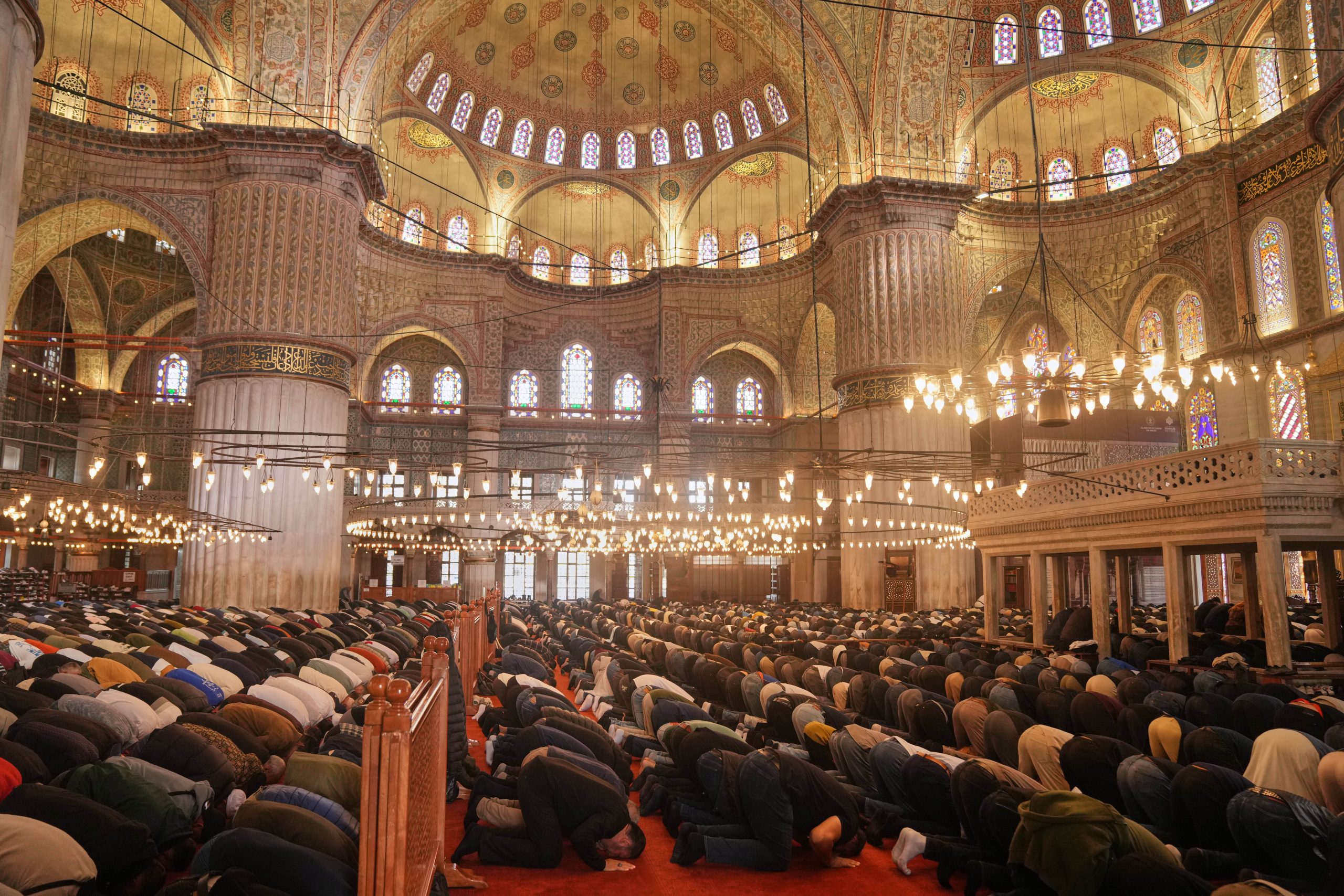 >
>
Turkey’s growing military power, boasting the second-largest army in NATO, continues to draw Western leaders closer, despite ongoing concerns about the suppression of political opposition. It seems realpolitik trumps idealism. The average Turk is probably more concerned with the country’s economic struggles than international peace talks. This internal focus perhaps explains the rather muted public reception to Pope Leo’s visit, at least outside of Turkey’s small Christian community.
One local I spoke with had no idea the Pope was even coming. Some citizens suspect the Pope’s visit is really about the US advancing its interests or maybe pressuring Turkey to reopen a Greek Orthodox seminary. Such skepticism underscores the complex relationship between religion, politics, and national identity in the region.
The official reason for the Pope’s trip, the 1,700th anniversary of the Council of Nicaea, the first ecumenical council of Christianity, presents an opportunity for ecumenical bridge-building. The Pope intends to pray with Ecumenical Patriarch Bartholomew, the spiritual leader of Orthodox Christians, at the historic site and sign a joint declaration. This would be a potent symbol of Christian unity, especially considering the historical schism between Eastern and Western churches.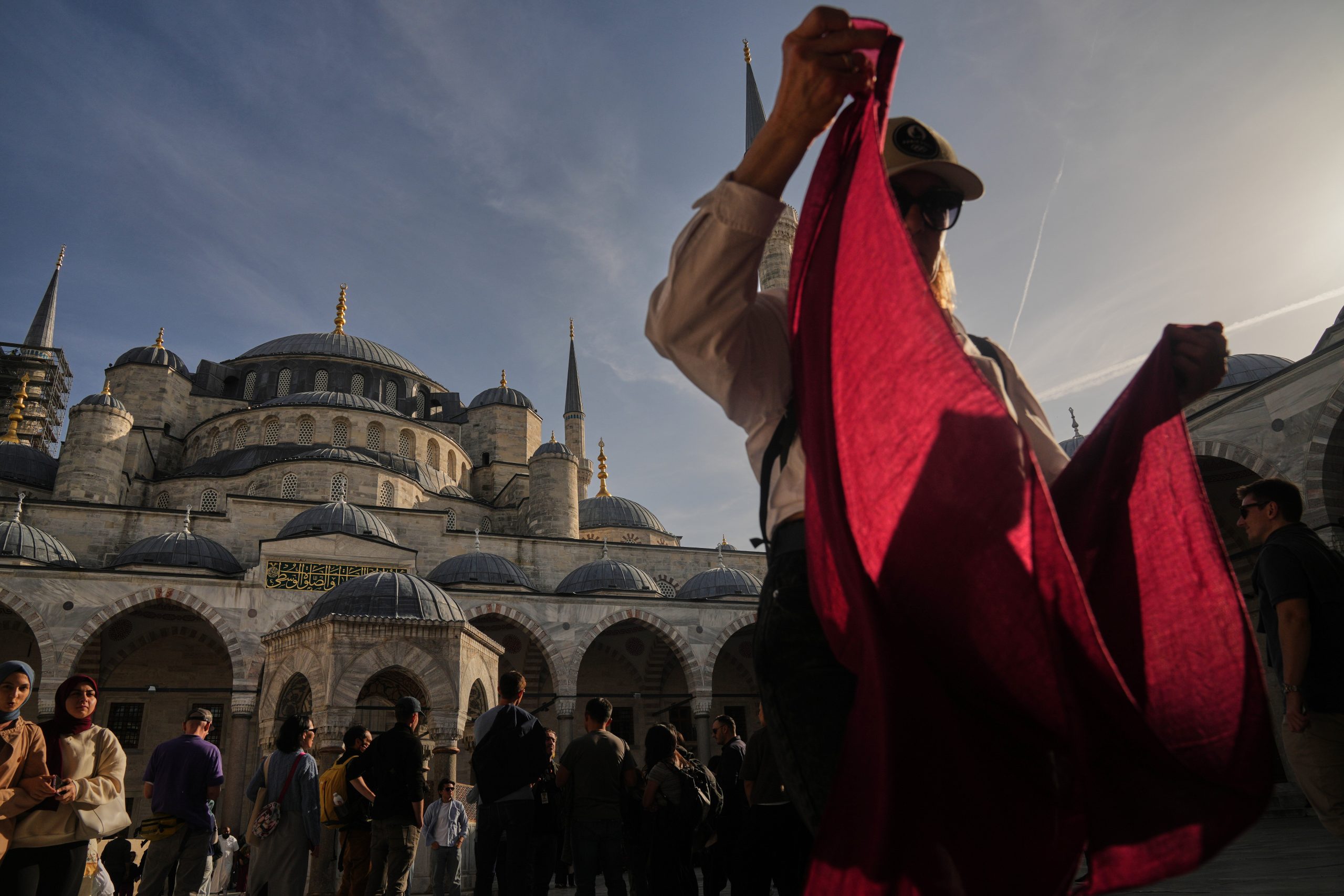 >
>
The visit also includes reinforcing ties with the Muslim community. Pope Leo is scheduled to visit Istanbul’s Blue Mosque and preside over an interfaith gathering. This is no small gesture. According to Asgın Tunca, an Imam at the Blue Mosque, this visit can foster Christian-Muslim understanding and dispel harmful misconceptions about Islam.
While Erdogan’s government has undertaken reforms to improve the rights of religious groups, challenges persist. Certain Christian organizations still face bureaucratic hurdles when attempting to register churches. The Catholic Church itself lacks formal legal recognition, which, according to Father Paolo Pugliese, creates various operational difficulties. The Church’s international profile, and, crucially, the Pope’s backing, afford it a certain degree of protection and influence, even in the absence of formal legal standing.
Sunday’s visit to the Armenian Apostolic Cathedral in Istanbul could be another delicate moment. While every pope since Paul VI has visited, Francis’s 2015 declaration characterizing the Ottoman-era slaughter of Armenians as “the first genocide of the 20th century” seriously strained relations with Turkey. Pope Leo will likely need to navigate this historical minefield with care. The Vatican is also currently working to balance relations with Armenia, especially given recent interfaith overtures with Azerbaijan that have faced criticism.
The geopolitical dynamics surrounding Pope Leo’s visit to Turkey are intricate. It touches on Christian-Muslim relations, the complexities of Turkish domestic politics, the ongoing conflicts in Ukraine and Gaza, and the historical tensions within Christianity itself. Whether this visit can genuinely advance peace and understanding remains to be observed. From my perspective, past efforts often yield mixed results, and lasting change needs more than good intentions. But engaging in dialogue, fostering relationships, and acknowledging shared history, as Pope Leo appears to be doing, is at least a place to start.

![[post_title]](https://samony.com.ng/wp-content/uploads/2025/12/1764889481_Minnesota-schools-forced-into-lockdown-as-mountain-lion-roams-through-300x200.png?lm=6932138D "Mountain Lion Lockdown: Are Duluth Schools Ready for Wild Encounters?")
![[post_title]](https://samony.com.ng/wp-content/uploads/2025/12/Miley-Cyrus-Confirms-Engagement-To-Musician-Maxx-Morando-After-Four-Year-300x200.jpg?lm=693214BF "Miley’s Engaged: Is This What True Love in Hollywood Looks Like Now?")


![[post_title]](https://samony.com.ng/wp-content/uploads/2025/12/Ruben-Amorim-provides-details-on-Matthijs-De-Ligts-injury-300x169.jpg?lm=6931FE5C "Youth Opportunity or Tactical Risk: Navigating United’s Defensive Void")

![[post_title]](https://samony.com.ng/wp-content/uploads/2025/12/Cruzeiro-explica-ausencia-de-zagueiro-contra-o-Botafogo-pelo-Brasileiro-1024x614.jpg?lm=69321AD8 "Cruzeiro Defender’s Absence Highlights Team Strategy and Player Well-being Trends")
![[post_title]](https://samony.com.ng/wp-content/uploads/2025/12/Bandits-strike-in-Kwara-abduct-2-Chinese-nationals-from-construction-1024x512.jpg?lm=69321B26 "Kwara Kidnappings: Banditry and Security Crisis Deepen")
![[post_title]](https://samony.com.ng/wp-content/uploads/2025/12/1764889481_Minnesota-schools-forced-into-lockdown-as-mountain-lion-roams-through-1024x683.png?lm=6932138F "Mountain Lion Lockdown: Are Duluth Schools Ready for Wild Encounters?")
![[post_title]](https://samony.com.ng/wp-content/uploads/2025/12/Miley-Cyrus-Confirms-Engagement-To-Musician-Maxx-Morando-After-Four-Year-1024x683.jpg?lm=693214BF "Miley’s Engaged: Is This What True Love in Hollywood Looks Like Now?")
