The recent arrest of Ghanaian prophet Evans Eshun, widely known as Ebo Noah, has sent ripples through the nation, sparking widespread discussion about religious prophecies and their legal implications. This significant development follows his controversial doomsday prophecy, which had captivated public attention across Ghana and beyond. Understanding why was Ebo Noah arrested requires delving into the context of his predictions, the public’s reaction, and the Ghana Police Service’s proactive measures to maintain public order and prevent incitement to fear. This incident underscores the delicate balance authorities must strike between religious freedom and public safety, especially concerning pronouncements that could lead to widespread panic or social unrest.
Ebo Noah rose to national prominence after constructing several large wooden structures, which he controversially described as ‘arks.’ He claimed these structures were built under divine instruction as preparations for a catastrophic global flood, prophesied to commence on Christmas Day. The audacity of his predictions, coupled with visual evidence of the expanding arks shared widely online, generated intense public interest, drawing visitors and media attention from various parts of Ghana and even internationally.
What is a doomsday prophecy? A doomsday prophecy is a prediction concerning a catastrophic event or series of events that will bring about the end of the world or a significant portion of humanity. These prophecies often involve divine intervention, natural disasters, or cosmic occurrences, and they typically aim to warn humanity or prompt a spiritual awakening.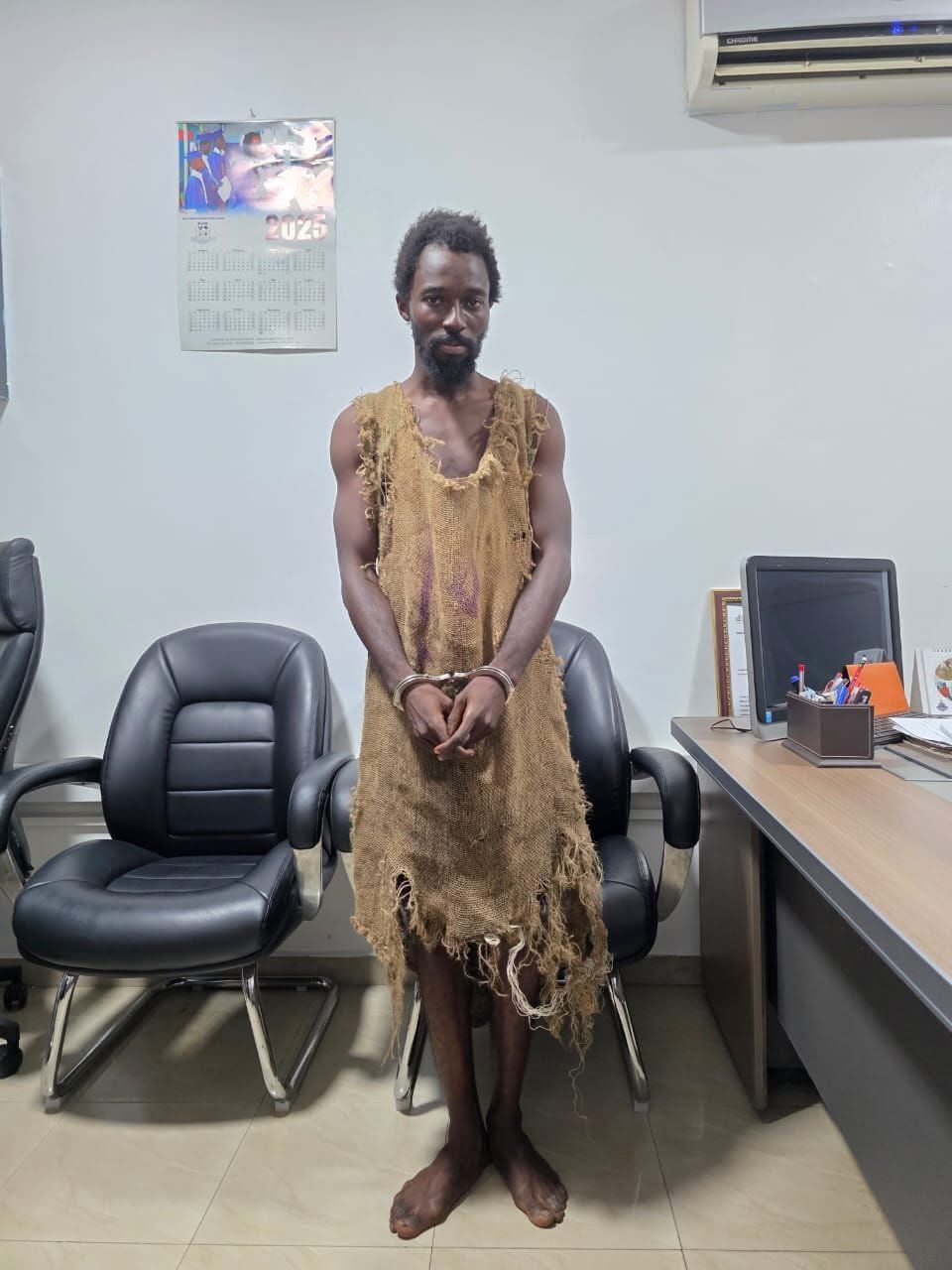
The Ghana Police Service confirmed Ebo Noah’s arrest through a statement released via its official channels. The arrest was carried out by the Inspector General of Police’s Special Cyber Vetting Team, indicating a deliberate and strategic action. This operation forms part of heightened security measures, particularly in anticipation of significant public gatherings like 31st-night religious services, where large congregations could be susceptible to alarming declarations.
While the police statement did not disclose specific allegations or the precise conduct under investigation, it strongly hinted that the arrest was linked to recent warnings issued by security agencies. These warnings explicitly cautioned against public prophecies or declarations deemed capable of inciting fear, panic, or public disorder. The authorities’ concern appeared to center on the potential societal impact of such widespread predictions, particularly those that could disrupt peace or lead to irrational public behavior.
For many, the situation highlights the complex interplay between Ghanaian law vs prophecy. While Ghana upholds religious freedom, its laws also provide frameworks to prevent actions that could endanger public safety or incite unrest. The police’s actions suggest a firm stance against any pronouncements, regardless of their religious origin, that are perceived to cross the line into public disturbance or fear-mongering. This legal scrutiny aims to ensure that religious expressions do not inadvertently or intentionally lead to societal chaos.
Before his arrest, Ebo Noah had released a video addressing the non-occurrence of the predicted flood. In this video, he claimed to have received a new revelation after prayers, fasting, and consultations with other religious leaders. He asserted that he was granted additional time to build more arks, citing that the number of people seeking refuge had exceeded the capacity of his existing structures. This explanation, however, did little to quell the public’s questions or the authorities’ concerns.
The public’s initial reaction to Ebo Noah’s prophecy was mixed, ranging from fervent belief and support to skepticism and outright ridicule. His claims became a hot topic in local media and social discourse, with many debating the veracity of his visions and the implications for society. The arrest further intensified this discussion, bringing the legal and ethical dimensions of religious prophecies to the forefront of national conversation.
Ebo Noah remains in custody to assist with ongoing investigations. Authorities have yet to announce any formal charges, court appearances, or specific bail conditions. The police have urged the public to remain calm and avoid speculation, reiterating that due process will be followed and that the suspect is presumed innocent until proven guilty by a court of competent jurisdiction. This legal process will ultimately determine the outcome of the case and potentially set precedents for future instances of public prophecy.
The Ebo Noah prophecy explained a complex situation involving faith, public safety, and legal boundaries. As the investigation continues, the focus remains on ensuring justice while upholding both religious freedoms and the rule of law. The outcome will undoubtedly shape future discourse on the responsibilities of religious leaders and the limits of public expression in Ghana, especially regarding predictions that can generate widespread alarm. The Ebo Noah arrest update will continue to be a significant point of interest for many.