


The deployment of federal agents in Minneapolis has ignited a fierce debate across the United States, highlighting the escalating tensions between local governance and federal authority. This significant surge in federal law enforcement personnel, including FBI agents, arrived amidst widespread protests and a contentious political climate, raising critical questions about jurisdiction, civil liberties, and the appropriate use of federal power within local communities. The situation underscores a complex interplay of immigration enforcement, public demonstration, and executive action.
At the heart of the controversy is the fatal shooting of Renee Good by an Immigration and Customs Enforcement (ICE) officer, which sparked a wave of anti-ICE protests across Minneapolis. This incident served as a catalyst, drawing national attention to the city already grappling with heightened federal activity. The FBI’s request for agents to travel to Minneapolis for temporary duty, though not explicitly tied to the anti-ICE demonstrations, coincided with a substantial increase in federal presence, including thousands of ICE and Customs and Border Protection agents.
Why are federal agents in Minneapolis? The deployment of federal agents to Minneapolis stems from escalating protests following a fatal shooting by an ICE officer and a broader surge in federal law enforcement operations. This action, amid local resistance, aims to address unrest and enforce immigration policies, drawing significant controversy over federal intervention in local affairs.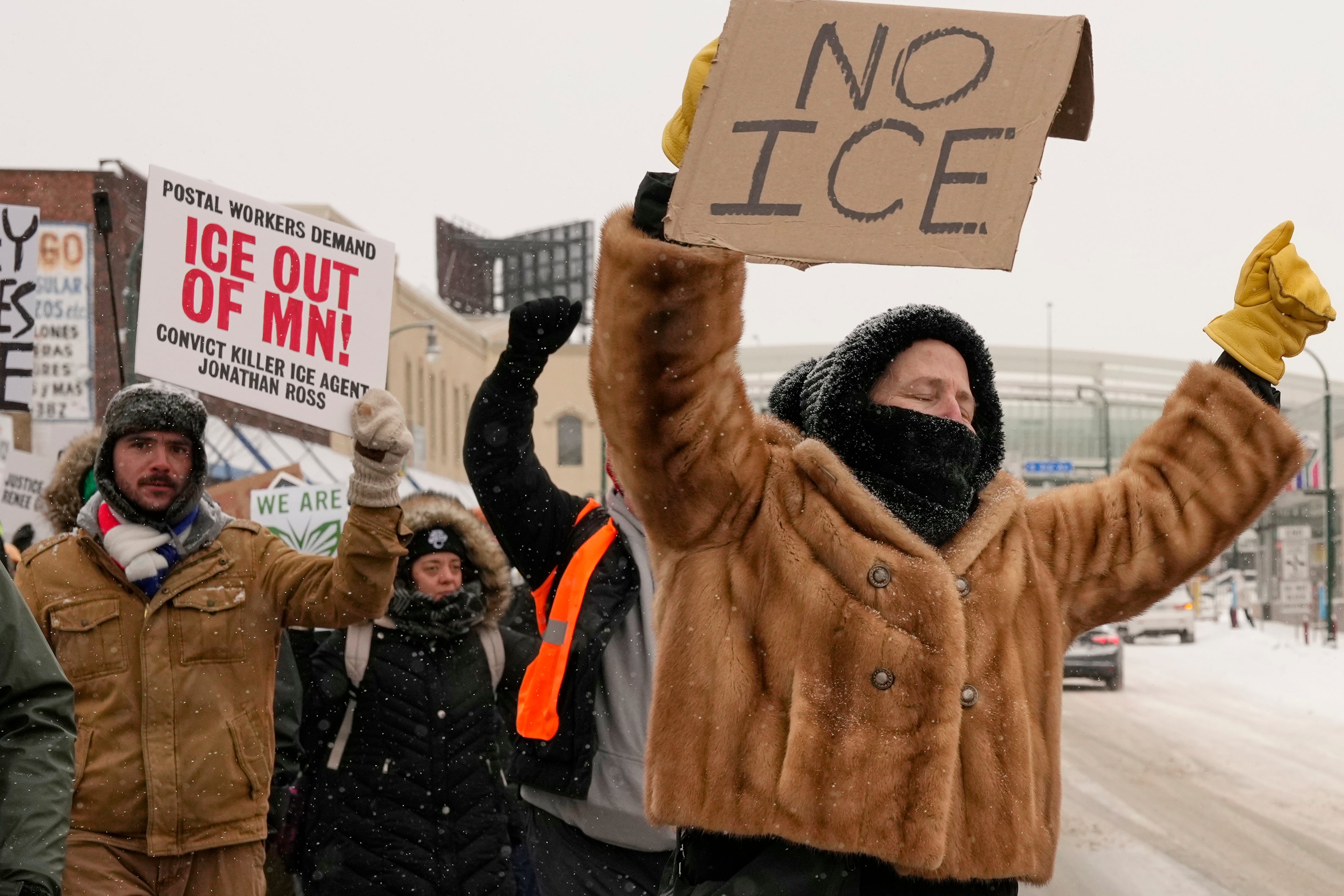
Minneapolis Mayor Jacob Frey voiced strong opposition, stating he “never thought in a million years that we would be invaded by our own federal government.” His comments reflect a growing concern among local officials about the perceived overreach of federal agencies. The mayor’s stance emphasizes the constitutional implications when federal forces operate without explicit local consent or coordination, particularly in matters traditionally handled by municipal law enforcement.
The Trump administration, in response, defended the ICE officer’s actions, claiming the officer’s life was at risk. This narrative clashed with accounts from Democratic officials and law enforcement analysts, who disputed the federal government’s justification for the shooting and the subsequent deployment. The ongoing trump immigration news today frequently features these contentious viewpoints, shaping public perception.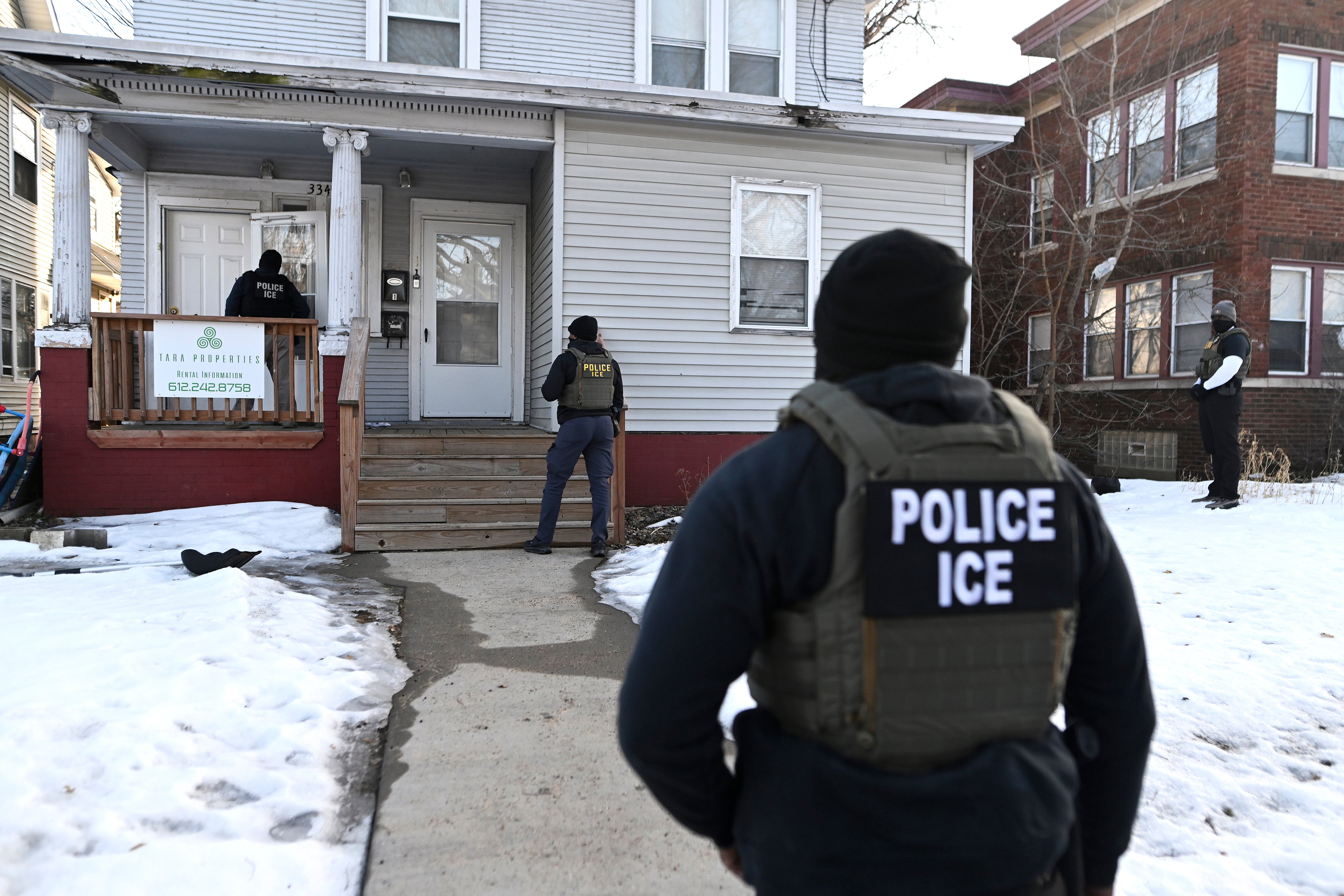
Further escalating the situation, reports suggested that approximately 1,500 active-duty soldiers were preparing for potential deployments, as then-President Trump threatened to invoke the Insurrection Act. What is the Insurrection Act? It is a set of federal laws authorizing the President of the United States to deploy U.S. military personnel and federalize the National Guard to suppress civil disorder, insurrection, or rebellion. This power is distinct from martial law, which involves military rule over civilian populations and typically suspends civil law. The debate over the insurrection act vs martial law highlights the extreme nature of the measures considered.
The context for amplified immigration enforcement in Minnesota since the start of the year involves an alleged fraud ring linked to daycares operated by Somali-Americans. The Twin Cities are home to a large Somali ancestry population, predominantly legal residents or American citizens. The Department of Homeland Security claimed over 2,500 arrests, adding another layer of complexity to the federal presence and local community relations. This situation led many to seek federal agents minneapolis explained for clearer understanding.
The tension between state and federal authorities reached a peak as Minnesota officials sued to block the federal law enforcement surge. This legal battle underscores the jurisdictional complexities and differing interpretations of federal power. The question of fbi vs ice powers also comes into play, as both agencies have distinct mandates but can operate in overlapping capacities, leading to potential conflicts in coordination and objectives during such deployments.
Protests continued to swell, with participants and local leaders advocating for peaceful demonstrations while condemning what they viewed as federal intimidation tactics. The minneapolis protests explained often reveals a mix of local grievances, national political divisions, and concerns over the militarization of domestic law enforcement. President Trump characterized the protestors as “highly paid professional agitators and anarchists,” further polarizing the discussion.
Looking ahead, these events have profound implications for civil liberties and the balance of power within the federal system. The concept of federal government overreach 2026 remains a significant concern for many, as the precedents set during periods of heightened federal intervention could influence future policy. The ongoing debate about the extent of federal authority in local matters is likely to continue shaping legal and political landscapes for years to come.
The long-term impact on us immigration laws 2026 update will undoubtedly reflect the lessons learned and the legal challenges mounted during this period. The experiences in Minneapolis could inform legislative changes, judicial rulings, and executive policies regarding federal law enforcement’s role in local civil unrest and immigration enforcement. The need for clear guidelines and respect for local autonomy is paramount.
As the situation evolves, a comprehensive minneapolis protests update continues to be essential for understanding the shifting dynamics. The city remains a focal point for national conversations about justice, protest rights, and the boundaries of federal intervention, with the legacy of these events shaping future interactions between communities and federal agencies.
The deployment of federal agents in minneapolis represents a critical juncture in the ongoing dialogue about federal power, local governance, and civil rights in the United States. The unresolved questions and ongoing tensions underscore the need for a balanced approach that respects both national security imperatives and the fundamental rights of citizens and communities.







