Donald Trump’s consistent skepticism towards wind energy has once again sparked debate, raising questions about why does Trump oppose wind energy so vehemently. California Governor Gavin Newsom recently reignited this discussion by trolling Trump over a mistaken identification of a dead falcon as a bald eagle, which Trump then erroneously attributed to wind turbine fatalities. This incident highlights a recurring theme in Trump’s public commentary: his strong disapproval of renewable wind power, often citing environmental concerns that are frequently challenged by experts and data. His criticisms extend beyond bird deaths to encompass the perceived inefficiency and economic viability of these green energy sources.
Trump’s arguments against wind turbines, often referred to as “windmills,” typically revolve around several key points. He frequently claims they are too expensive, inefficient, and aesthetically displeasing. More controversially, he attributes significant bird mortality, particularly to bald eagles, to these structures. These claims form a cornerstone of his broader energy policy, which often prioritizes fossil fuels over renewable alternatives. Understanding his deep-seated objections is crucial for comprehending his past and potential future policy decisions regarding energy infrastructure.
The recent social media post by Donald Trump, showing a dead bird in front of wind turbines, became a focal point for criticism when it was revealed the bird was a falcon, not a bald eagle, and the photo originated from Israel in 2017. This error quickly spread, prompting a swift and mocking response from Governor Newsom’s team. The incident underscored a common challenge in the debate around wind energy: the spread of misinformation and the difficulty in distinguishing between species like bald eagles vs falcons differences in a quick social media glance, especially when used to support a pre-existing narrative.
The answer is yes, wind turbines do kill birds, but the extent and significance are often misrepresented. While wind turbines contribute to avian mortality, studies show that other factors like collisions with buildings, power lines, and cats kill far more birds annually. Modern wind farm designs and technologies are continuously evolving to mitigate these impacts, incorporating features like radar-activated curtailment and improved siting to reduce risks to wildlife.
While the issue of bird mortality is frequently highlighted, a comprehensive look at what is wind energy’s environmental impact reveals a more nuanced picture. Wind power is a clean energy source that produces no greenhouse gas emissions during operation, significantly contributing to climate change mitigation. Beyond birds, other environmental considerations include habitat disruption during construction, noise pollution, and visual impact. However, these are generally considered less severe than the impacts of fossil fuel extraction and combustion, which include air and water pollution, and extensive land degradation.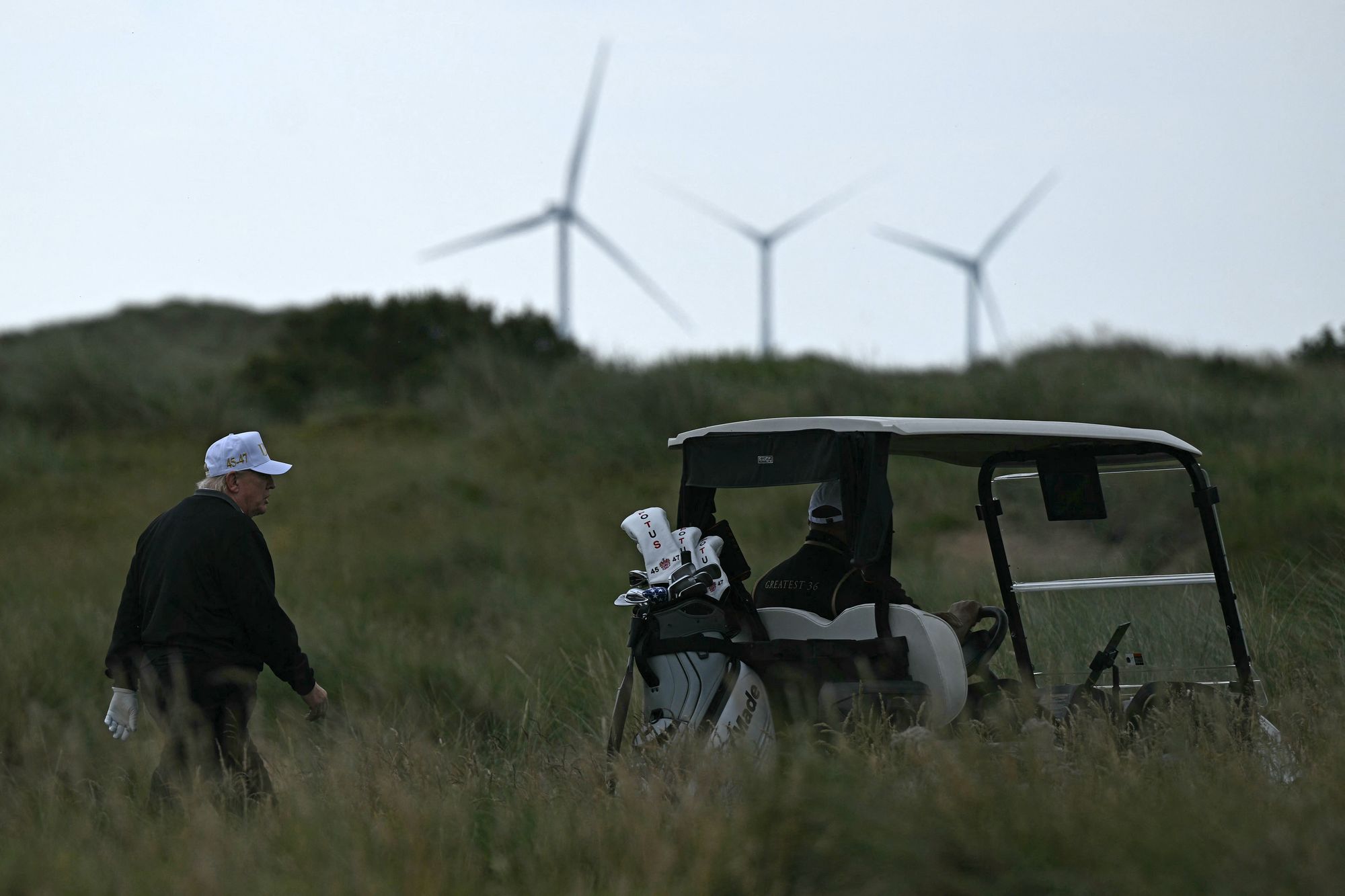
California Governor Gavin Newsom has consistently used social media to challenge Donald Trump’s narratives, and his recent jab about the “Dozy Don” not knowing America’s national bird is part of a broader strategy. Newsom views these interactions as a way to hold Trump accountable and highlight what he perceives as factual inaccuracies. This pattern of Gavin Newsom Trump political jabs serves not only to counter Trump’s agenda but also to energize his own political base and articulate a contrasting vision for environmental policy and governance.
Donald Trump’s opposition to wind energy is not a recent development. His animosity dates back to at least 2012, when he vehemently opposed the construction of wind turbines near his golf course in Aberdeenshire, Scotland. He argued that they would spoil the landscape and harm tourism, a battle he ultimately lost. This long-standing personal grievance has clearly informed his national political stance, shaping his public rhetoric and policy decisions throughout his career.
During his previous presidency, Trump’s administration actively pursued policies aimed at curtailing renewable energy projects, seeking to withdraw permits for offshore wind farms and halting construction on others. These actions align with his consistent public statements and demonstrate the real-world impact of his views. The Donald Trump renewable energy stance explained through these policy shifts reveals a clear preference for traditional energy sources, signaling a potential return to similar regulatory approaches should he regain office. This has significant implications for future energy development.
The debate around wind energy is intrinsically linked to the larger discussion of wind power vs fossil fuels debate. Proponents of wind power emphasize its role in combating climate change, reducing reliance on finite resources, and creating green jobs. Critics, often echoing Trump’s points, focus on perceived reliability issues, land use, and cost. This fundamental clash of energy philosophies underscores a deep divide in how different political factions envision the nation’s energy future and its economic and environmental priorities.
Looking ahead, the future of wind energy 2025 and beyond remains a critical area of focus for many nations committed to decarbonization. Technological advancements continue to improve turbine efficiency, reduce costs, and mitigate environmental impacts. Innovations in energy storage and grid integration are also addressing concerns about intermittency. Despite political headwinds, the global trend towards renewable energy adoption is projected to continue, driven by economic incentives, climate goals, and increasing public demand for sustainable power sources.
In conclusion, Donald Trump’s strong and consistent opposition to wind energy, often characterized by claims about cost, efficiency, and environmental harm, is a defining feature of his political platform. The recent exchange with Governor Newsom vividly illustrates the ongoing tension surrounding this issue. Understanding why does Trump oppose wind energy requires acknowledging both his long-held personal grievances and his broader policy preferences that prioritize traditional energy sources, setting the stage for continued debate in the national energy landscape.