


A judge’s recent decision to order the resentencing of Charles Williams, the Santana High School gunman, has ignited a fervent public safety debate across the nation. This pivotal ruling could pave the way for Williams’ imminent release from prison, a move that victims’ families and prosecutors vehemently oppose. The Charles Williams resentencing case highlights complex questions about juvenile justice, rehabilitation, and the enduring impact of violent crime on communities. The implications of the Charles Williams resentencing are far-reaching, setting a precedent for similar cases.
To understand the gravity of this development, it is crucial to recall what happened at Santana High School on March 5, 2001. Then 15-year-old Charles Williams opened fire with his father’s revolver, tragically killing 14-year-old Bryan Zuckor and 17-year-old Randy Gordon, and wounding 11 students and two staff members. This horrific event left an indelible scar on the San Diego community and contributed to the national conversation surrounding school violence and its prevention. Williams pleaded guilty and was subsequently sentenced to 50 years to life in prison.
Many are asking: why is Charles Williams being released after serving only 23 years of a 50-years-to-life sentence? The answer lies in a series of legislative changes aimed at juvenile offenders. A 2011 California law allowed judges to grant resentencing hearings for juveniles originally sentenced to life without parole. An appeals court decision in 2022 further expanded this, making those with the “functional equivalent” of life without parole sentences also eligible for review. Williams’ legal team successfully argued that his original sentence fell into this category, leading to the judge’s order to transfer his case to juvenile court for a new disposition hearing. This development in the Charles Williams resentencing process has garnered significant public attention.
The answer is that juvenile resentencing refers to a legal process allowing offenders who committed crimes as minors to have their original sentences reviewed and potentially reduced, particularly those originally deemed equivalent to life without parole. This reform acknowledges differences in juvenile brain development and capacity for rehabilitation, often leading to transfer to juvenile court for a new disposition.
The legal distinction between juvenile life without parole vs resentencing is a cornerstone of this case. Historically, some juvenile offenders received sentences that effectively meant they would die in prison. However, evolving legal perspectives on juvenile culpability and rehabilitation capacity led to reforms. These reforms assert that minors, due to their developing brains, are less culpable than adults and more amenable to rehabilitation. Consequently, laws were enacted to provide avenues for judicial review and potential resentencing, shifting the focus from irreversible adult-level punishment to pathways for reintegration.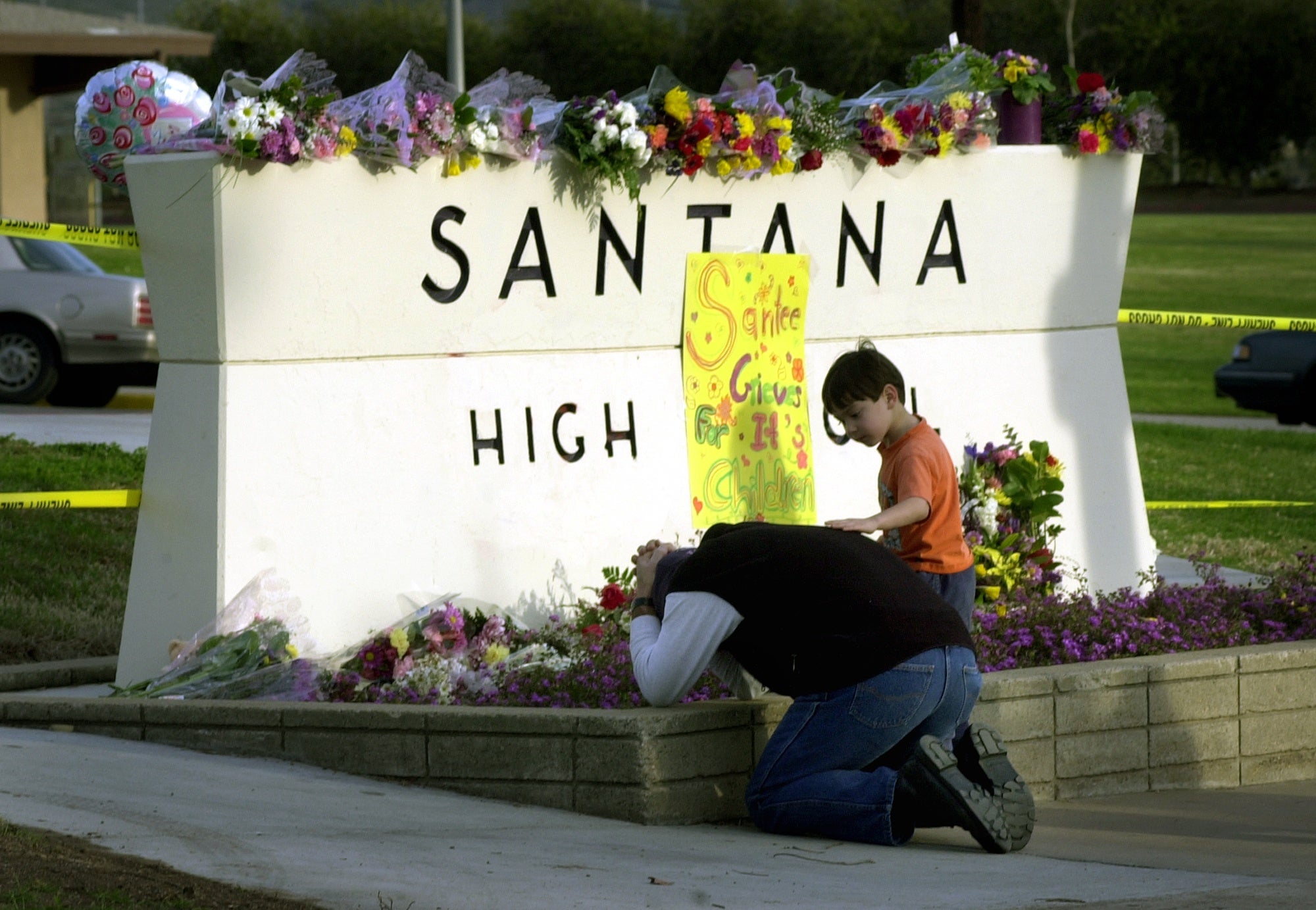
This profound legal shift inevitably pits victim’s rights vs juvenile offender reform, creating a deeply emotional and contentious debate. San Diego County District Attorney Summer Stephan has voiced strong opposition to Williams’ potential release, stating her office will challenge the ruling in appellate court. Stephan emphasized her duty to ensure justice for victims and protect public safety, arguing that Williams’ cruel actions still warrant his original sentence. Victims’ families often feel re-traumatized by such proceedings, believing that the focus on the offender’s potential for rehabilitation overshadows the irreversible harm inflicted.
The latest Santana High School gunman update reveals that prosecutors anticipate Williams’ immediate release without parole supervision or evaluation once his convictions are redesignated as juvenile “true findings” in juvenile court. This outcome stands in stark contrast to a state board’s decision in September 2024, which denied Williams parole after deeming him an “unreasonable risk to public safety.” The board also expressed uncertainty regarding Williams’ understanding of his motivations for the shooting, further fueling concerns about his readiness for re-entry into society.
Despite the controversy, Williams himself has expressed profound remorse for his actions. In a statement, he acknowledged, “I had no right to barge into the lives of my victims, to blame them for my own suffering and the callous choices I made.







