The cultural world is currently embroiled in a significant dispute surrounding the Kennedy Center, specifically the proposed renaming to the Trump-Kennedy Center and the subsequent wave of artist boycotts. This unfolding situation highlights a clash between political influence and artistic integrity, drawing sharp criticism from various sectors. Richard Grenell, president of the Kennedy Center, has even alleged that major media outlets are actively encouraging artists to withdraw from scheduled performances, a claim that has ignited further debate and demands for evidence. The core issue revolves around President Donald Trump’s perceived takeover of the institution and the controversial changes implemented under his new leadership.
Since President Trump’s administration became involved, the Kennedy Center has seen a dramatic shift in its governance and public perception. In a move that departed from the center’s long-standing bipartisan tradition, Trump appointed a new board of directors, largely comprised of individuals aligned with his political ideology. This restructuring culminated in the board’s reported unanimous vote to rename the esteemed institution, a decision that many observers, including members of Congress, have questioned for its legality and appropriateness. The controversy has not only impacted scheduled performances but has also raised concerns about the future independence and reputation of a vital American cultural landmark.
What is the Trump Kennedy Center controversy? The Trump Kennedy Center controversy centers on the proposed renaming of the John F. Kennedy Center for the Performing Arts and the subsequent boycott by artists protesting President Trump’s perceived political influence and control over the institution, leading to allegations of media incitement and legal challenges.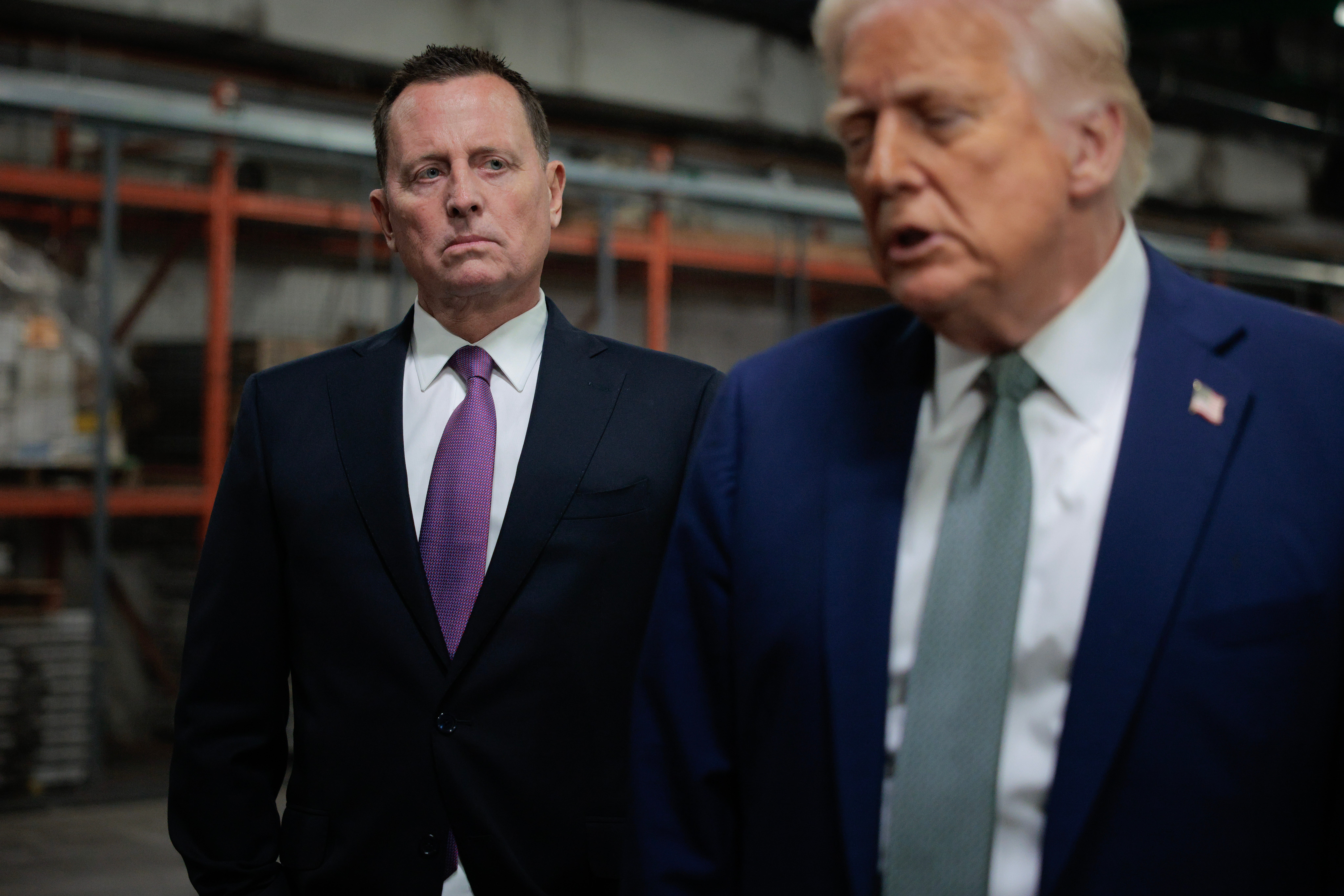
The implications of these changes extend far beyond a mere name alteration. Artists, who traditionally rely on the neutrality and artistic freedom of such venues, have voiced strong objections. Groups like the jazz supergroup The Cookers and the Doug Varone and Dancers troupe have publicly announced their cancellations, citing reasons rooted in the principles of artistic freedom and opposition to what they perceive as political interference. These actions underscore a broader sentiment within the arts community that the integrity of cultural institutions should remain untainted by partisan politics, especially when it involves a figure as polarizing as Donald Trump.
Richard Grenell’s accusations against media outlets like CNN and The Washington Post, suggesting they are coordinating efforts to encourage boycotts, have added another layer of complexity to the narrative. While Grenell has presented these claims via social media without immediate supporting evidence, they highlight the intense scrutiny and politicization surrounding the Kennedy Center’s current predicament. Critics, including former Republican congressman Adam Kinzinger, have called for proof of these alleged journalistic misconducts, emphasizing the importance of ethical reporting standards.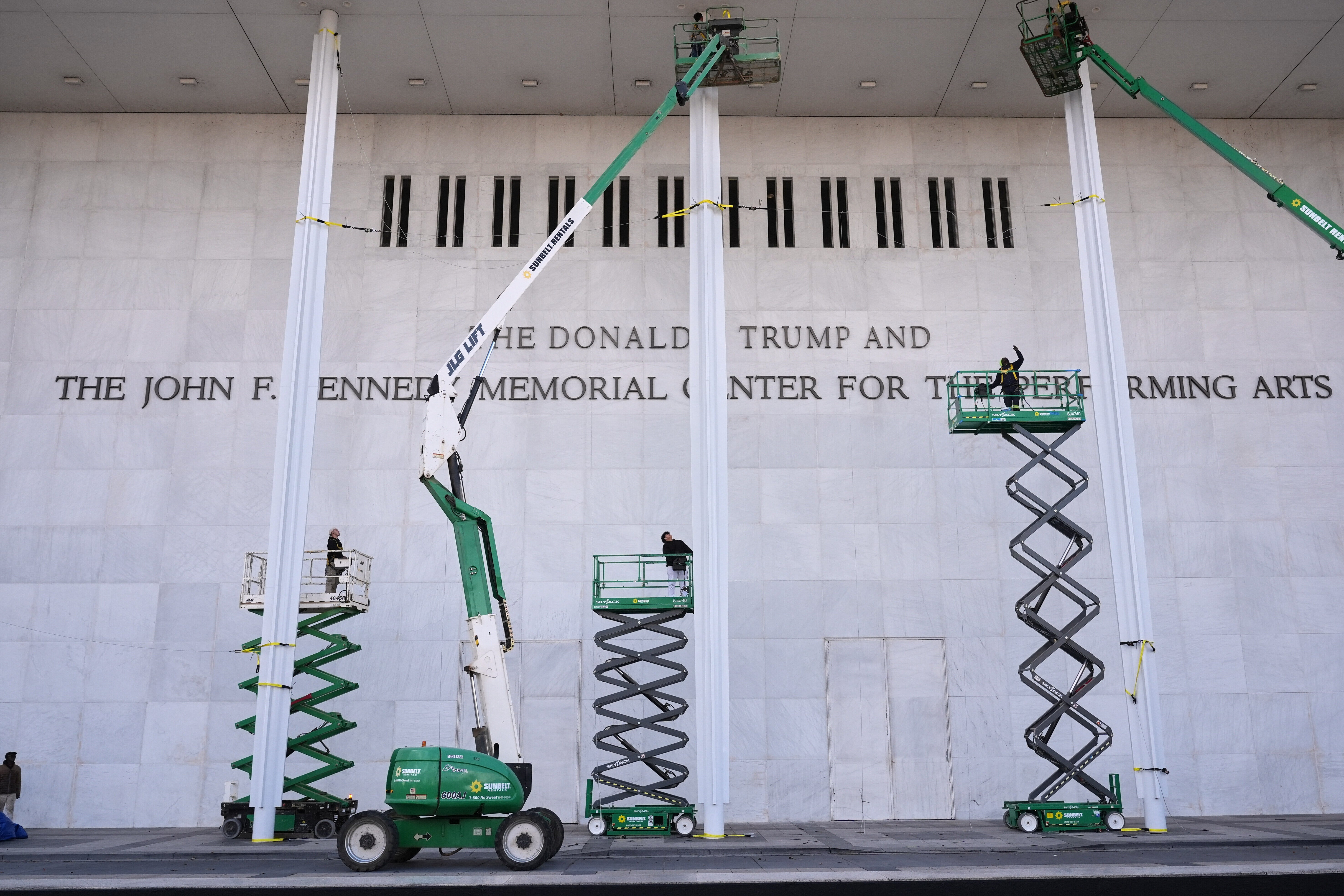
For artists boycotting the Kennedy Center, the decision is often a deeply personal and principled stand. Many feel that performing at an institution bearing the name of a president they oppose, especially under contentious circumstances, would compromise their artistic values and send an undesirable message. This sentiment is particularly strong among artists whose work often reflects themes of social justice and freedom, making the perceived politicization of the Kennedy Center a profound point of contention.
The legality of the Kennedy Center name change remains a significant question. Reports indicate that some members of Congress were silenced during discussions about the renaming, and legal experts have suggested that the process may not have adhered to established protocols. This legal ambiguity further fuels the debate and provides additional grounds for those challenging the legitimacy of the board’s decisions. The battle over the center’s name is not just cultural; it is also a legal and political one, with potential long-term consequences for its governance.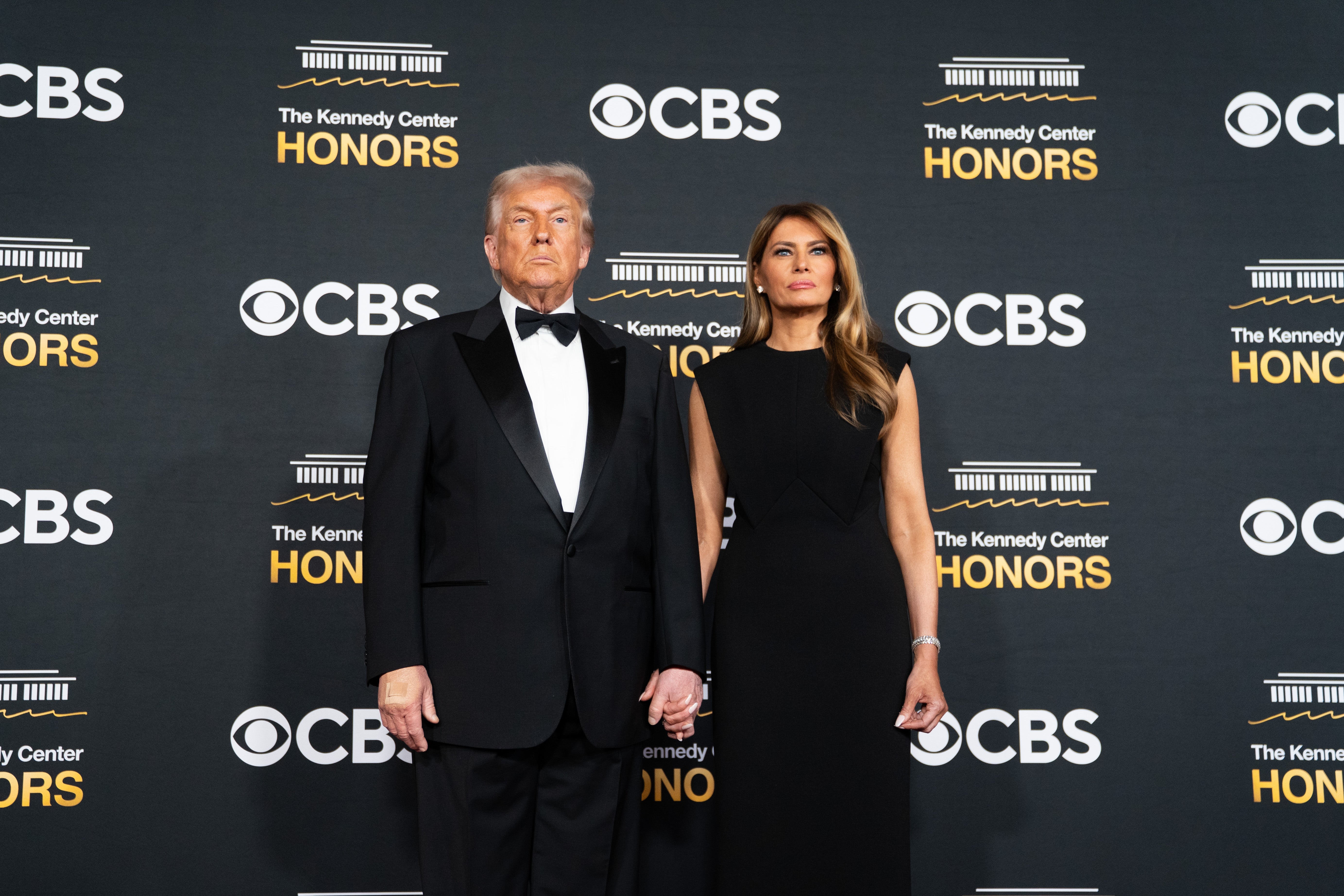
In response to the cancellations and criticisms, the Trump administration has defended its actions, asserting that its involvement has been beneficial for the center. They argue that the administration has saved the arts institution from potential disrepair, implying a necessary intervention. However, this claim is contradicted by analyses, such as one from The Washington Post, which reported a decline in ticket sales since Trump’s assumption of control. Furthermore, viewership for the Kennedy Center Honors reportedly plunged significantly after Trump hosted the event, indicating a potential negative impact on public engagement.
Understanding the Trump Kennedy Center controversy requires examining the historical context of the institution, its role in American culture, and the unprecedented nature of the current political intervention. The Kennedy Center has long been a symbol of artistic excellence and a space for diverse cultural expression. The current dispute, therefore, represents a critical juncture for the arts in America, raising fundamental questions about autonomy, funding, and the influence of political figures on non-profit cultural entities. The outcome of this situation will likely set a precedent for how similar institutions navigate political pressures in the future.
As the debate continues, the various stakeholders—artists, politicians, media, and the public—remain deeply divided. The claims made by Richard Grenell, the continued boycotts by prominent performers, and the ongoing legal questions surrounding the name change ensure that the Trump Kennedy Center boycott will remain a prominent topic. This complex issue underscores the delicate balance required to maintain the independence and integrity of cultural institutions in an increasingly politicized landscape, making it a key focus for cultural observers and political analysts alike.