


The prospect of a Trump credit card has emerged as a novel strategy proposed by former President Donald Trump’s top economic advisor, Kevin Hassett. This concept aims to bypass an industry-wide cap on credit card interest rates, offering an alternative payment solution directly tied to the former president’s brand. The idea represents a continuation of Trump’s extensive history of leveraging his name for various merchandise and financial endeavors, suggesting a unique approach to consumer finance within his political movement.
Trump’s call for a 10 percent cap on credit card interest rates stemmed from his assertion that Americans are being “ripped off” by current industry practices. This public stance put pressure on financial institutions and sparked discussions about consumer protection in the credit sector. The administration’s engagement with major banks on this issue signals a persistent effort to address what Trump views as exploitative lending rates.
Kevin Hassett, director of the National Economic Council, elaborated on the proposed solution, suggesting that legislation might not be necessary. Instead, he envisioned “really great new Trump cards presented for folks that are voluntarily provided by the banks.” This approach emphasizes market-driven solutions over government intervention, a characteristic often associated with conservative economic policy.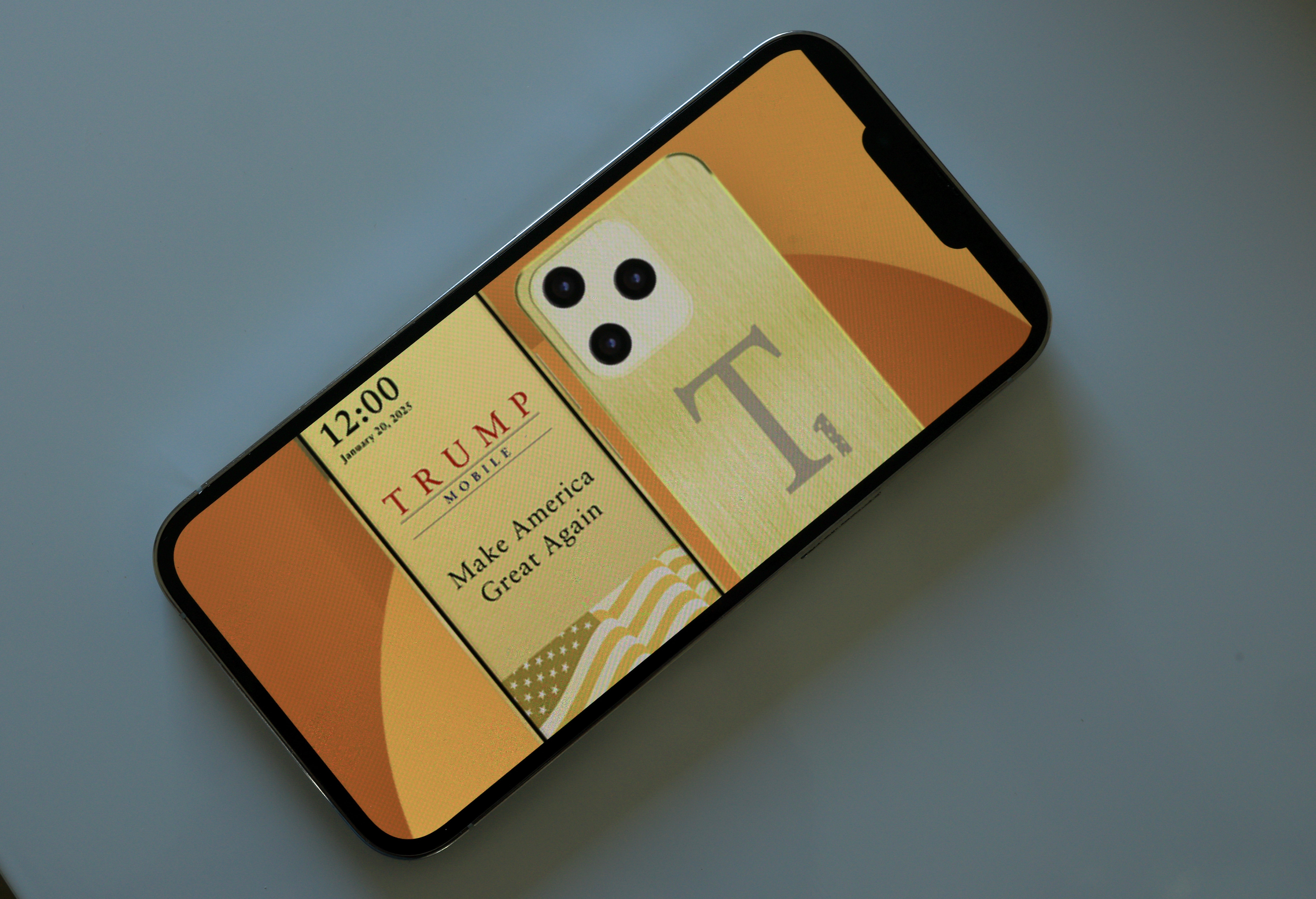
What is a Trump card in this context? The answer is a proposed credit card, voluntarily offered by banks, that would carry the former president’s branding. This initiative, suggested by Kevin Hassett, aims to provide an alternative to government-mandated interest rate caps, appealing to a specific demographic of supporters.
Hassett confirmed that discussions had already taken place with CEOs of several large banks. According to him, these financial leaders saw merit in Trump’s idea, indicating potential industry receptiveness to innovative branding in the credit card space. However, specific details about participating banks or the card’s features remain undisclosed, fueling speculation about its eventual rollout and design.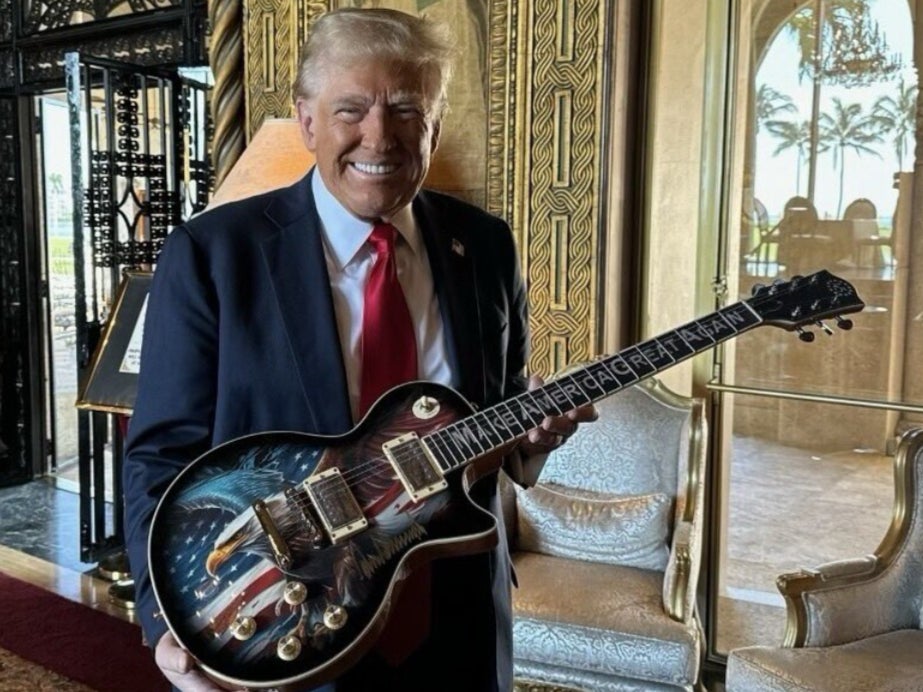
The notion of a Trump credit card is not an isolated venture but rather the latest in a long line of presidential merchandise efforts. From phones and watches to sneakers, guitars, and even bibles, Trump has consistently capitalized on his brand recognition. These products, ranging from luxury items to everyday accessories, have become symbols for many of his supporters, demonstrating a powerful connection between political identity and consumer choice.
Not all of these ventures have been without their challenges. The promised T1 cell phone, for example, which was touted as being “proudly designed and built in the United States,” faced significant delays and shifts in its manufacturing ambitions. Despite accepting $100 deposits, the device has yet to materialize, leading to questions about the fulfillment of these branded product promises.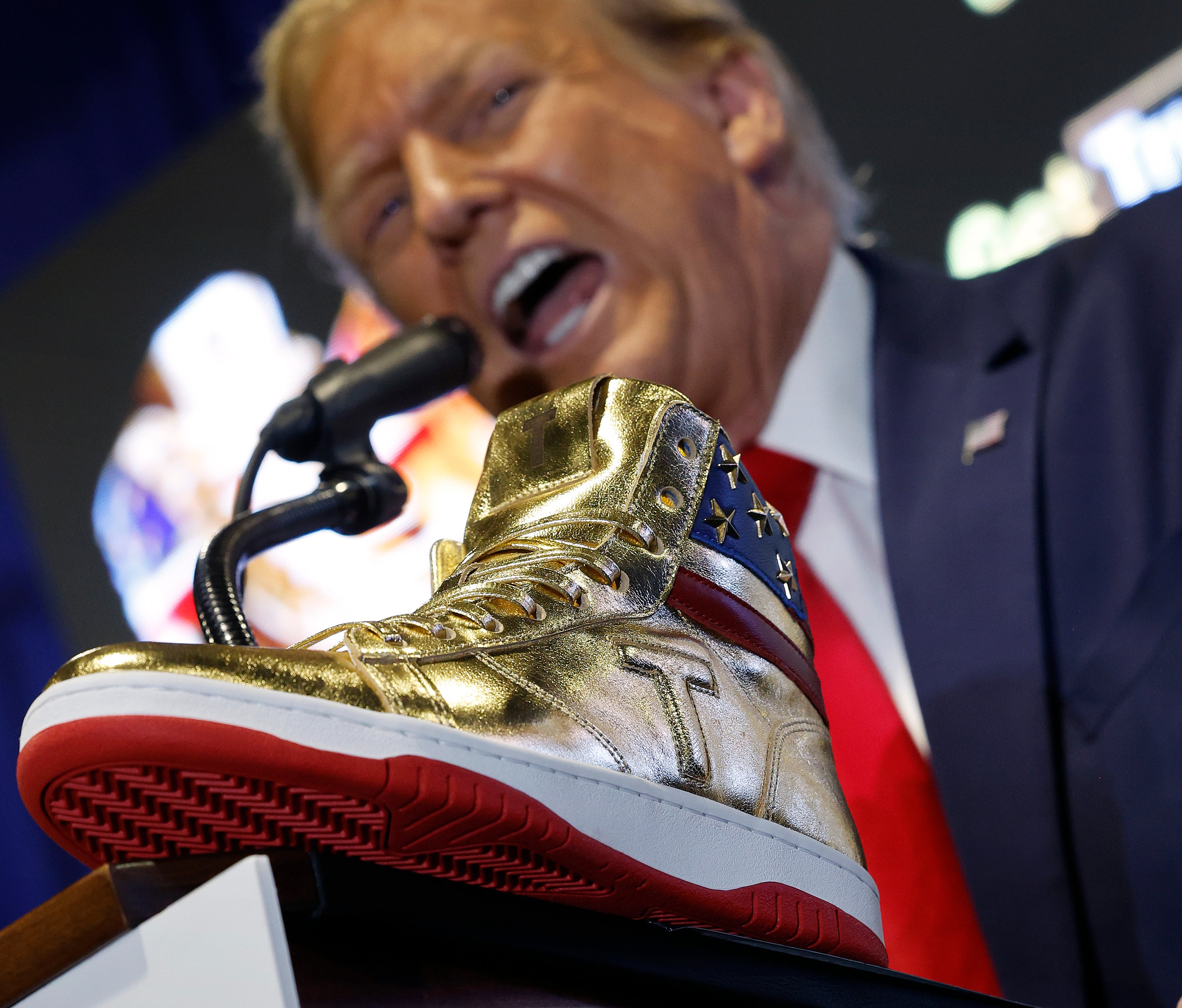
Similarly, some customers expressed dissatisfaction with his watch company, citing delivery issues and poor reviews on platforms like TrustPilot. With an average rating of 2.7 stars out of 5, many buyers labeled the operation a “scam.” These experiences highlight the complexities of managing consumer expectations when a political figure enters the highly competitive merchandise market.
Despite these setbacks, the financial success of Trump’s merchandise empire is undeniable. A financial disclosure report from the Office of Government Ethics revealed that the former president earned over $10 million from branded merchandise sales. “Trump Watches” alone generated $2.8 million, while “Save America” coffee table books brought in $3 million. Sales of sneakers and fragrances combined for $2.5 million, with Greenwood Bibles adding $1,306,035 and “45” guitars contributing $1,055,100.
This extensive portfolio of products raises the question of a Trump credit card vs regular credit card offerings. While standard cards compete on rates, rewards, and perks, a Trump card would likely leverage brand loyalty and political affiliation as primary motivators. Understanding how to get a Trump credit card, if it launches, would likely involve direct marketing to his base, similar to his other merchandise.
For many, purchasing Trump merchandise for supporters is more than just a transaction; it’s a statement of allegiance and a way to financially back his movement. The proposed credit card would likely tap into this same sentiment, offering a new financial vehicle for those eager to align their spending with their political identity. This strategy also subtly positions Trump merchandise vs Biden merchandise or other political branding, emphasizing a distinct market.
Looking ahead to 2026, the potential for new Trump merchandise 2026 releases remains high, with the credit card potentially being a significant addition. A comprehensive Trump credit card guide 2026, detailing its benefits, terms, and how it compares to traditional options, would be crucial for potential cardholders. The evolution of this concept, driven by Kevin Hassett news updates, will be closely watched by both political observers and financial analysts.
Ultimately, the idea of a Trump credit card signifies a bold move to integrate political brand loyalty into everyday financial tools. It aims to offer consumers, particularly his dedicated base, an alternative to what is perceived as an unfair financial system, all while reinforcing the powerful Trump brand in the marketplace.









