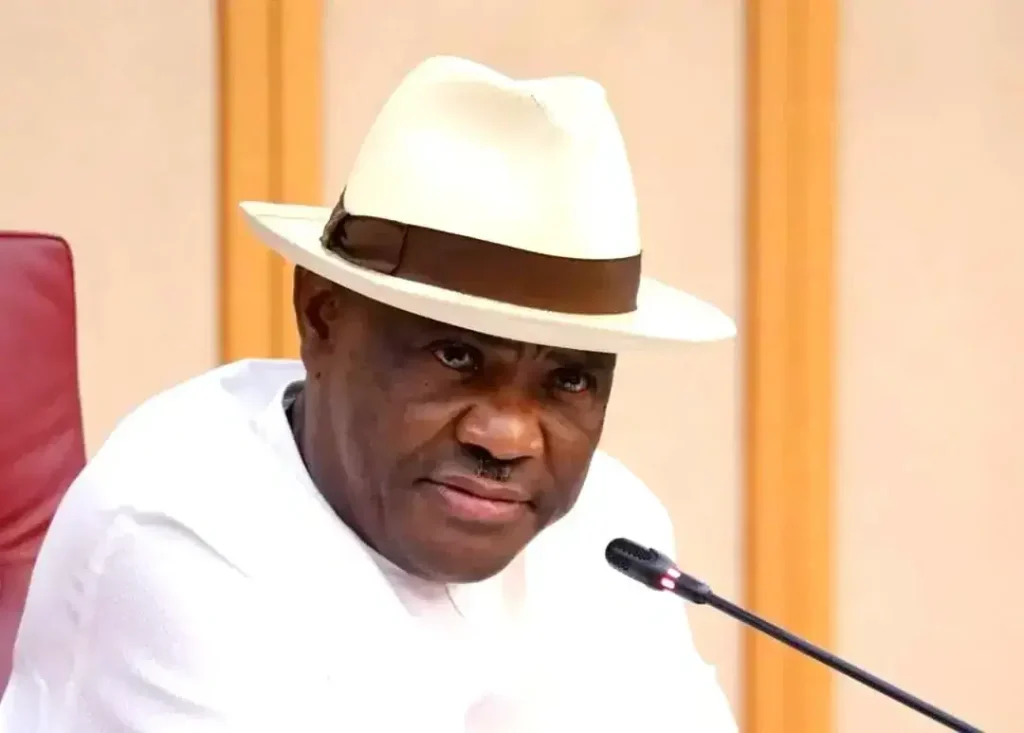
What is Christian genocide in Nigeria, and what are the latest developments in this deeply troubling issue? Reverend Ezekiel Dachomo, a prominent religious leader from Plateau State, has recently brought international attention to the ongoing violence, claiming divine intervention through former United States President Donald Trump. Dachomo, Regional Chairman of the Church of Christ in Nations (COCIN) in Barkin Ladi, has stated unequivocally that he has formally reported cases of Christian genocide to both the International Criminal Court (ICC) on Earth and, remarkably, to a “heavenly court.” His assertions underscore the profound desperation and spiritual conviction felt by many facing severe persecution in the region.
The assertion that angels are actively working through Donald Trump to address the situation in Nigeria highlights the complex interplay of faith, politics, and humanitarian crises. This belief stems from a deep-seated conviction among some communities that earthly justice mechanisms have failed, leading them to seek supernatural intervention alongside traditional legal avenues. The narrative presented by Rev. Dachomo suggests a belief that Trump’s influence and actions, whether perceived or actual, are part of a divine plan to bring an end to the targeted killings of Christians.
Rev. Dachomo’s earlier threats to involve the International Criminal Court were not idle. He had meticulously compiled extensive documentation detailing the systematic murder of Christians by extremist groups and Fulani bandits, alongside the destruction of numerous churches across Plateau State and other Middle Belt regions since 2010. This comprehensive dossier was intended for submission to the ICC and the United States government, urging concrete action against the perpetrators of these atrocities and to protect vulnerable communities. The distinction between Christian persecution vs genocide Nigeria is critical here, as Dachomo’s claims lean heavily towards the latter, implying a deliberate intent to destroy, in whole or in part, a religious group.
What is Christian genocide in Nigeria? It refers to the systematic and widespread killing of Christians, destruction of their places of worship, and displacement from their ancestral lands by extremist groups and armed bandits, primarily in the country’s Middle Belt. This violence is often driven by religious and ethnic tensions, leading to a humanitarian crisis.
The perception of Donald Trump’s involvement, as highlighted by Dachomo’s claim of “God working through Trump,” resonates with a segment of the global Christian community that views him as a champion of religious freedom. This perspective suggests that Trump’s policies or diplomatic pressures during his presidency were, or continue to be, instrumental in addressing the plight of persecuted Christians worldwide, including in Nigeria. The latest donald trump nigeria news update often includes discussions on his past statements or actions concerning religious freedom in African nations.
Understanding Christian persecution in Nigeria for beginners requires acknowledging the multifaceted nature of the conflict. It’s not solely religious; it intertwines with land disputes, resource competition, and ethnic rivalries, particularly between largely Christian farming communities and predominantly Muslim Fulani herders. These complex dynamics make finding a straightforward solution exceptionally challenging, as grievances on all sides are deeply entrenched and historical.
The call to how to stop religious persecution in Nigeria is a global one, echoing in various international forums and human rights organizations. Solutions proposed range from enhanced security measures, judicial reforms, and interfaith dialogue to international sanctions and humanitarian aid. However, effective implementation remains a significant hurdle, as local governance and security forces often struggle to contain the widespread violence and bring perpetrators to justice, leading to cycles of reprisal attacks.
A comprehensive nigeria religious violence guide would detail the historical roots of these conflicts, tracing back decades of communal clashes and the rise of extremist ideologies. Such a guide would highlight the economic, social, and political factors that exacerbate tensions, often leading to a breakdown of law and order. It would also explore the impact of climate change on pastoralist communities, pushing them southwards and intensifying competition for scarce resources, inadvertently fueling religious and ethnic strife.
As we look towards the future, discussions around nigeria christian persecution 2026 scenarios often involve predictions of continued instability unless drastic measures are taken. Experts forecast that without a concerted effort from both national and international actors to address the root causes of violence, provide security, and foster reconciliation, the humanitarian crisis could deepen. The long-term outlook for religious freedom in nigeria 2026 outlook depends heavily on political will and the effectiveness of peace-building initiatives.
The ongoing situation demands consistent attention and advocacy, with figures like Ezekiel Dachomo latest news often serving as a barometer for the severity of the crisis. His unwavering commitment to seeking justice, even through unconventional means like appeals to “heavenly courts,” underscores the profound spiritual dimension of the struggle. For many, faith provides not only solace but also a framework for understanding and responding to unimaginable suffering and injustice.
The distinction between Christian genocide vs religious persecution Nigeria is a critical legal and moral one. While religious persecution is a broader term encompassing various forms of discrimination and mistreatment based on faith, genocide implies an intent to destroy a group. Dachomo’s use of the term “genocide” suggests a belief that the violence against Christians in Nigeria meets this grave international legal definition, demanding a stronger, more decisive response from the global community.
The complex dynamics of the Fulani herdsmen vs farmers conflict Nigeria are central to understanding the violence. While often framed as a religious conflict, it also has significant economic and environmental dimensions. Nomadic Fulani herders, predominantly Muslim, clash with settled Christian farming communities over land, grazing rights, and water resources. These clashes are often brutal and have led to thousands of deaths, further exacerbating religious and ethnic divides.
Ultimately, the plight of Christians in Nigeria, as articulated by Rev. Dachomo, represents a severe challenge to human rights and religious freedom globally. His appeal to both earthly and heavenly powers reflects a desperate search for justice and protection. The international community, alongside Nigerian authorities, faces the urgent task of addressing the root causes of this violence, ensuring accountability, and protecting all citizens, regardless of their faith, from persecution. What is Christian genocide in Nigeria is not merely a theological question but a pressing humanitarian crisis demanding immediate and sustained attention.
Keywords: what is christian genocide in nigeria, how to stop religious persecution in nigeria, christian persecution vs genocide nigeria, fulani herdsmen vs farmers conflict nigeria, christian persecution in nigeria for beginners, nigeria religious violence guide, donald trump nigeria news update, ezekiel dachomo latest news, nigeria christian persecution 2026, religious freedom in nigeria 2026 outlook