


What is bed rotting, a term that has recently gained significant traction on social media platforms like TikTok, refers to the practice of spending extended periods – sometimes hours or even days – lingering in bed beyond typical sleep or rest. While initially embraced by many, particularly among Gen Z, as a form of self-care or a way to unwind, experts are increasingly warning about the potential negative health consequences associated with this widespread trend. Understanding the true impact of bed rotting is crucial for maintaining both physical and mental well-being.
The phenomenon of bed rotting tiktok trend has become particularly prevalent among younger demographics, with nearly a quarter of individuals aged 14 to 30 reportedly engaging in the practice. Social media influencers often promote it as a method for improving mental health, showcasing extended staycations under the covers. However, this seemingly harmless habit, though rooted in the desire for rest, can often mask deeper issues and lead to unintended negative health outcomes.
What is bed rotting? Bed rotting is the act of staying in bed for extended, unproductive periods, often beyond necessary rest, engaging in passive activities like scrolling on devices. While some perceive it as self-care, health experts caution it can exacerbate mental health issues like depression and disrupt healthy sleep patterns.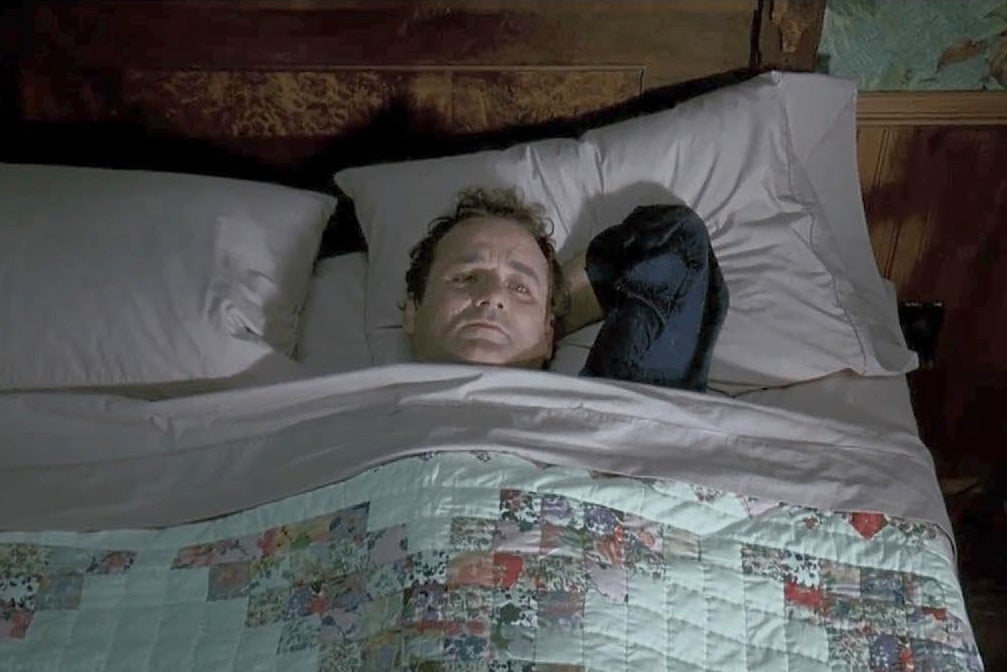
While the modern interpretation of bed rotting gained momentum from viral social media posts, the concept of lingering in bed isn’t new. Historically, the Scottish term ‘hurkle durkle’ described a similar reluctance to leave the comfort of one’s bed after waking. The Merriam-Webster dictionary notes the term ‘bed rot’ has existed for decades, but its current popularity underscores a contemporary struggle with digital overload and the search for ease, often leading to a blurred line between genuine rest and unproductive stagnation.
Many who engage in bed rotting for mental health claim it helps reduce stress and anxiety, offering a much-needed unplug from the constant demands of the world. The Mayo Clinic supports the idea that taking time to disconnect can indeed improve attitude and lower stress, especially for those heavily reliant on smartphones. However, healthcare professionals, including experts from Ohio State University, have issued warnings, emphasizing that while rest is vital, excessive bed rotting can signal underlying depression or contribute to poor personal hygiene, making the distinction between helpful downtime and harmful habit crucial.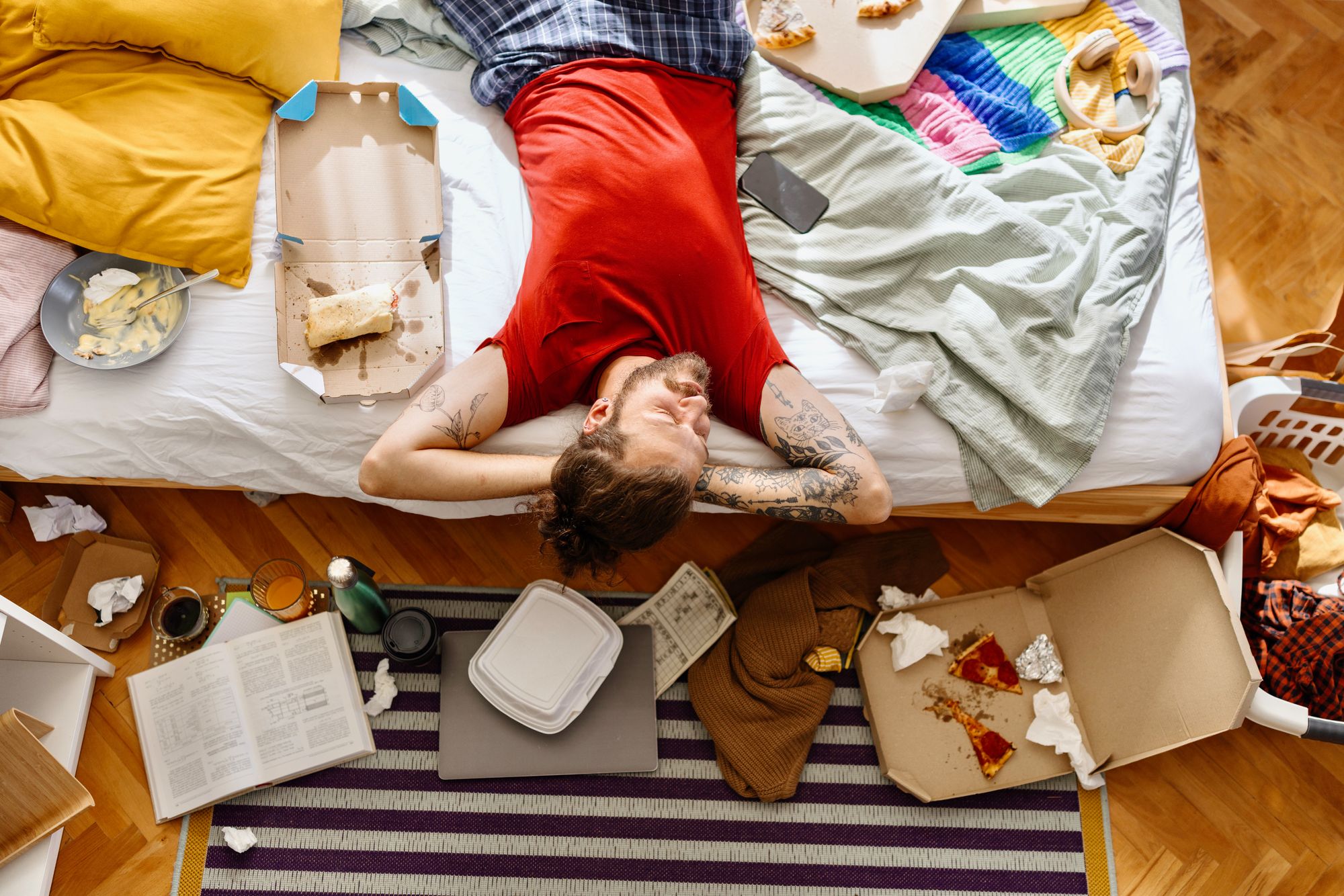
It’s essential to understand the nuanced difference between bed rotting vs self care. True self-care involves intentional actions that rejuvenate and support well-being, often leading to increased energy and a sense of accomplishment. Conversely, bed rotting, when practiced excessively, can become a form of avoidance, where individuals retreat from responsibilities or uncomfortable emotions. Dr. Meghan Galili of Cleveland Clinic highlights the risk of these intentionally unproductive periods becoming recurring patterns, potentially hindering personal growth and effective coping mechanisms rather than fostering genuine self-care.
A critical distinction also lies in bed rotting vs depression. While both might involve periods of inactivity, bed rotting can be a symptom rather than a cure for depression. Dr. Nicole Hollingshead of Ohio State Wexner Medical Center explains the strong circular link: depressed mood leads to inactivity, which in turn deepens the depressed mood. If the primary motivation for staying in bed is to hide from anxiety or depression, as licensed mental health counselor M. Clark Canine notes, then it’s not coping but rather avoiding the underlying issues that require attention and professional support.
Despite the mental health concerns, there are some perceived physical benefits to brief periods of resting, such as giving tired muscles a break and catching up on sleep. The Centers for Disease Control and Prevention reports that over a third of American adults don’t get enough sleep, linking deprivation to higher risks of accidents, reduced focus, and chronic diseases. However, attempting to solve sleep deprivation through prolonged bed rotting health risks actually worsen the problem by disrupting the crucial sleep-wake cycle, which regulates vital bodily functions like heart rate and blood pressure, according to Dr. Anne Marie Morse of Geisinger Health System.
For those wondering how to stop bed rotting or seeking healthier alternatives, experts suggest a mindful approach to rest. Setting hard limits for in-bed relaxation, perhaps 30 minutes to an hour as recommended by Dr. Marjorie Soltis, can prevent it from becoming destructive. Incorporating brief breaks for snacks, water, stretching, or even stepping outside can increase happy hormones. The goal is to ensure that after a rest period, one feels energized and refreshed, not more drained. The Cleveland Clinic advises self-reflection: if bed rotting isn’t helping, it’s time to stop and re-evaluate.
As we look towards bed rotting guide 2026, the emphasis will likely remain on balanced, intentional self-care rather than prolonged idleness. The long-term bed rotting consequences 2026 could include chronic sleep disruption, increased sedentary behavior leading to physical health issues, and a worsening of mental health conditions if underlying problems are ignored. Future guidance will continue to stress the importance of daily movement and listening to one’s body, discerning between genuine need for rest and a habit of avoidance. The key is to pay attention and learn to differentiate constructive downtime from detrimental stagnation.
Ultimately, while the allure of an extended stay in bed is understandable, particularly in a fast-paced world, understanding what is bed rotting and its potential pitfalls is paramount. The aim should always be to foster habits that genuinely contribute to well-being, rather than those that offer temporary escape at the cost of long-term health. Mindful rest, purposeful activity, and addressing underlying issues are the true paths to a balanced and healthy lifestyle, ensuring that rest serves its intended purpose of rejuvenation.






