Colonel Sani Bello at 83: Analyzing a Legacy of Service and Strategic Investment
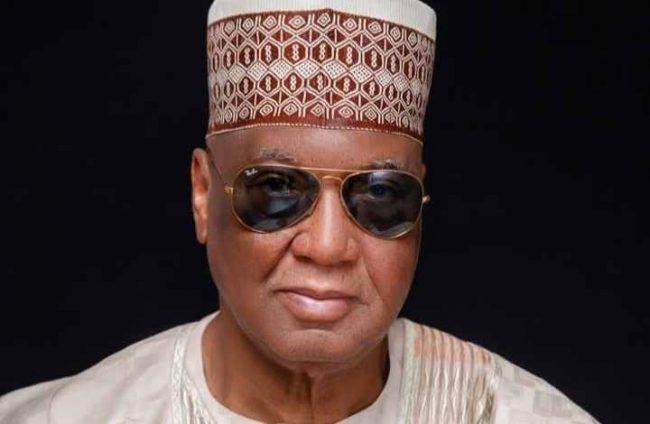
Colonel Sani Bello’s 83rd birthday prompts more than just celebration; it offers a chance to examine the lasting impact of a career that transitioned seamlessly from military service to impactful business ventures and philanthropy. It’s a narrative rich with lessons, particularly for those interested in Nigerian development and strategic investment.
The piece highlighting his birthday correctly emphasizes the distinction between a long life and a life of service. Many individuals, even with ample resources, fail to make a noticeable difference. Bello’s career, however, presents a contrasting picture. His influence spreads across several sectors, leaving a mark that deserves closer scrutiny.
His early military career, culminating in roles like Military Governor of Kano State, underscores a dedication to public service that seemingly shaped his subsequent endeavors. His commitment to national duty and competence led to numerous significant roles within the army. Yet, what happens after public service can often reveal more about a person’s true character and intentions.
Bello’s post-military trajectory is intriguing. Instead of a quiet retirement, he engaged in a diverse array of business activities, chairing boards of major institutions spanning insurance, telecommunications, and energy. Consider his involvement with MTN Nigeria, for instance. It showcases an understanding of sectors poised for substantial growth and a willingness to be part of that expansion. This kind of foresight is noteworthy, and it speaks volumes about his strategic thinking.
It’s worth pondering how his military background shaped his approach to business. The discipline, organizational skills, and perhaps a network of contacts cultivated during his time in service likely played a role in his success.
Furthermore, Bello’s investments in media – Prestige FM, Landmark FM, and the forthcoming Sanbel TV – show a keen understanding of the power of communication in shaping narratives and influencing public opinion. This is especially important in a diverse country like Nigeria, where access to information and the ability to control the message can have significant social and political implications. Could these investments be seen as a way to further cement his legacy and influence? Time will tell.
His philanthropic efforts, particularly through the Sani Bello Foundation, are also significant. The annual free medical outreach provides essential healthcare to vulnerable populations, addressing a critical need in a country with significant healthcare disparities. It’s easy to dismiss such initiatives as mere PR, but the consistent execution and demonstrable impact of the foundation suggest a genuine commitment to improving lives. Still, it’s crucial to examine the long-term sustainability of these programs. How are they funded? What mechanisms are in place to ensure their continued effectiveness?
Moreover, his investment in education, including the Mustafa Comprehensive School, Sani Bello Vocational Training Centre Kontagora and Science University Kontagora, addresses a fundamental challenge in Nigeria: skills development and access to quality education. By providing vocational training and educational opportunities, he’s empowering youths with the tools they need to become self-sufficient and contribute to the economy. That’s a strategy that resonates.
Of course, any analysis of a figure like Colonel Sani Bello must acknowledge the complexities inherent in navigating the Nigerian business and political landscape. Success rarely comes without its share of controversies or ethical dilemmas. Complete objectivity requires more information than is currently available.
Given these facts, it’s fair to say that Colonel Sani Bello’s life represents a blend of public service, strategic business acumen, and philanthropic endeavors. He has navigated the complexities of Nigerian society with a degree of success that few can match.
This is not to suggest a flawless record. Scrutiny of his business dealings and political connections remains essential for a truly comprehensive understanding of his impact. Yet, judging from what’s apparent, his contributions to various sectors and his commitment to social responsibility are undeniable.
The numerous awards he has gotten, locally and internationally, confirm his contribution to society. His humanitarian reaches extend to individuals, communities, NGOs and institutions through donations of transformers, financial assistance and other interventions show a heart of compassion and devotion to humanity.
Looking ahead, it will be interesting to see how his legacy evolves. Will his investments in media shape the national discourse? Will his philanthropic efforts create lasting change in the communities he serves? Only time will provide definitive answers.
In any case, Colonel Sani Bello’s 83rd birthday serves as a reminder that leadership is not just about holding positions of power. It’s about using one’s resources and influence to make a positive impact on the world. His career provides a case study for those interested in understanding the interplay between business, philanthropy, and nation-building in Nigeria.
Keywords: Sani Bello, Nigerian Philanthropy, Strategic Investment, Nigerian Development, Sani Bello Foundation, Business Acumen, Military Governor Kano, Sanbel TV



![[post_title]](https://samony.com.ng/wp-content/uploads/2025/12/1764752038_Gary-Lineker-to-appear-on-Netflix-in-2026-World-Cup-300x202.jpg?lm=692FFAA9 "Lineker on Netflix? This Changes Everything About How We Watch Football.")