


The recent unveiling of updated U.S. Dietary Guidelines for 2025-2030 has sparked considerable debate, particularly concerning protein intake. Many are asking, what are the new protein guidelines, and why are nutrition experts expressing caution? These guidelines advocate for a significant increase in daily protein consumption, advising Americans to “prioritize protein foods at every meal,” potentially doubling previous recommendations. This pivotal shift in national health advice has ignited a critical discussion among dietitians, doctors, and public health advocates regarding its scientific basis and potential implications for public health. The dietary guidelines 2025 update suggests a significant change in how Americans approach their meals.
What are the new protein guidelines? The 2025-2030 U.S. Dietary Guidelines recommend increasing daily protein intake to 1.2 to 1.6 grams per kilogram of body weight, up from the previous 0.8 grams. This suggests adults aim for at least 100 grams of protein daily, with an emphasis on animal sources.
This new guidance, which includes a revised food pyramid, places a strong emphasis on animal sources of protein, such as red meat and whole milk, while seemingly downplaying the role of plant-based alternatives. This specific recommendation has been a point of contention, leading to questions about the balance of plant protein vs animal protein in a healthy diet. The shift encourages a higher overall intake, contrasting sharply with long-standing nutritional advice.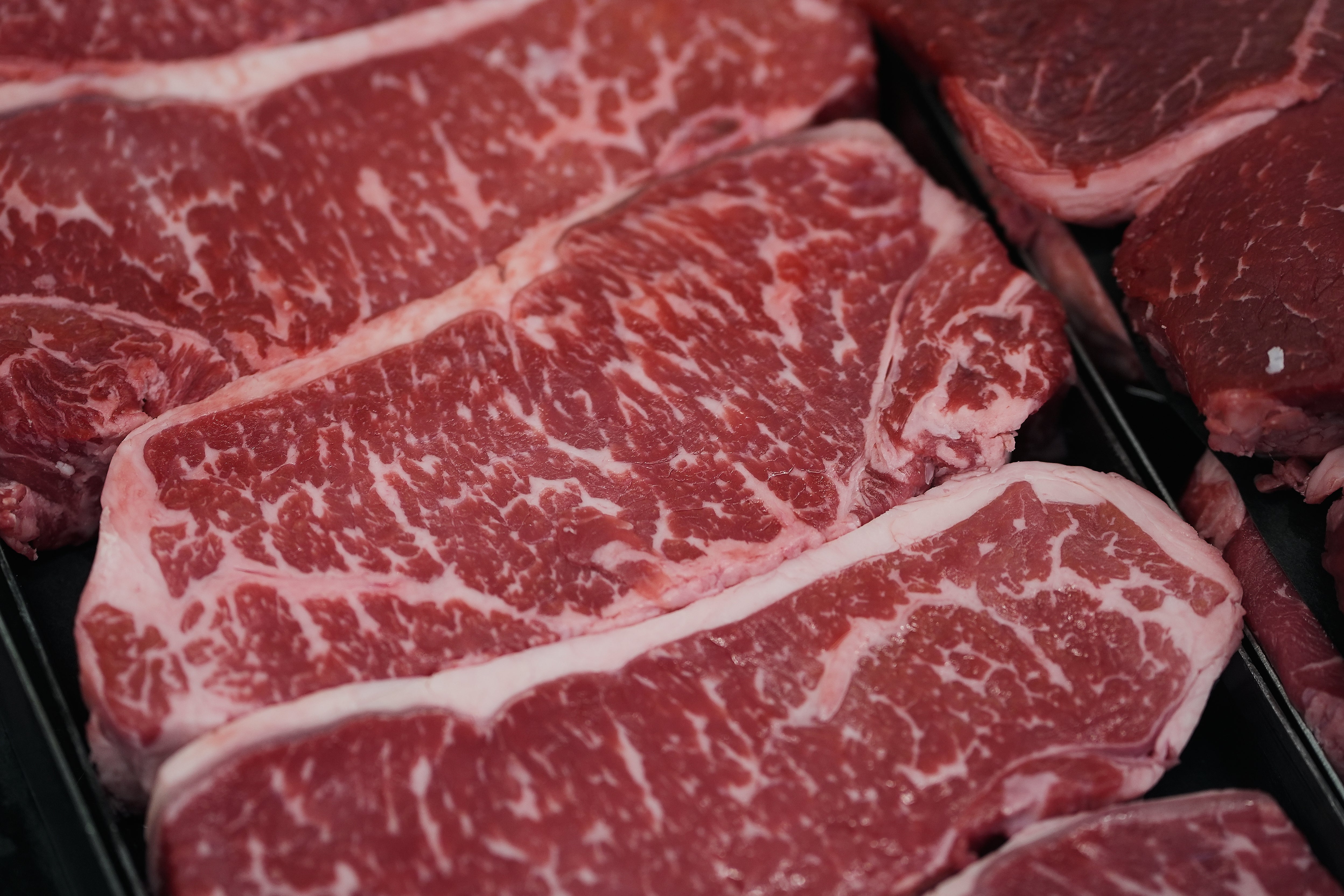
However, many top nutrition experts are questioning this protein push. They contend that the average American already consumes more protein than necessary, and current scientific evidence does not support a drastic increase in consumption for the general population. For many individuals, consuming significantly more protein could lead to unintended consequences, including increased body fat and a heightened risk of conditions like diabetes. This skepticism forms a major part of the ongoing protein recommendations news.
So, how much protein do you actually need? Protein is an essential macronutrient found in every cell of the human body, vital for the growth and repair of muscles, bones, skin, hair, and various organs and tissues. It comprises building blocks called amino acids, some of which the body cannot produce and must be obtained through diet. Understanding these fundamental requirements is crucial when evaluating new dietary advice.
For decades, U.S. dietary guidelines consistently recommended a daily intake of 0.8 grams of protein per kilogram of body weight, equating to approximately 54 grams daily for a 150-pound person. The new protein guidelines vs old marks a substantial departure, advising individuals to consume between 1.2 and 1.6 grams per kilogram of body weight. This means adults are now encouraged to consume at least 100 grams of protein per day, with more than half ideally sourced from animal products. This represents a near doubling of the previous advice.
The rationale behind these updated guidelines, according to a scientific review accompanying them, was to move beyond merely preventing protein deficiency. The previous recommendations represented the lowest intake to maintain equilibrium in most healthy adults, not necessarily an optimal level for muscle mass or metabolic function under all conditions. The new document drew upon evidence from 30 studies examining higher protein diets for weight management and nutrient adequacy, concluding that intakes well above previous guidance are both safe and compatible with good health.
Yet, a significant concern among nutrition experts is the potential harm of eating more protein than truly necessary. Trials focusing on weight reduction are not typically used to formulate dietary recommendations for the general population. Beyond active strength or resistance training, there is limited evidence that higher protein intake significantly builds muscle or offers other broad health benefits. In fact, excess dietary protein can be converted into fat by the liver, potentially increasing the risk of dangerous abdominal fat and boosting the likelihood of developing diabetes. This aspect is particularly relevant for those considering protein intake for weight loss.
Another worry is that these new recommendations will further accelerate the trend of companies enriching processed foods with extra protein, marketing items like bars, cereals, and snacks as healthier options. While the guidelines aim to encourage whole foods, this emphasis on protein could paradoxically lead consumers toward more packaged goods. This could confuse the public significantly, blurring the lines between truly nutritious whole foods and highly processed items simply fortified with protein. A comprehensive healthy protein sources guide would ideally focus on natural, unprocessed options.
As we look toward future nutritional planning, understanding these shifts is key. When considering the best protein sources 2026 or developing a healthy eating guide 2026, it will be important to balance the official recommendations with expert caution regarding overconsumption. Focus should remain on quality, unprocessed foods, whether plant-based or animal-based, ensuring adequate intake without the risks associated with excess.
The debate surrounding what are the new protein guidelines underscores the complexity of dietary recommendations and their far-reaching impact. While the goal of optimizing health is universal, the methods and specific targets remain a subject of ongoing scientific discussion and public scrutiny. Consumers are encouraged to consult with healthcare professionals to tailor dietary choices to their individual needs, ensuring a balanced and truly healthy approach to protein consumption.






![[post_title]](https://samony.com.ng/wp-content/uploads/2026/01/1768927529_Bagnaia-ready-to-challenge-MotoGP-champion-Marquez-after-complete-reset-1024x682.jpg?lm=696FB12D "Bagnaia vs Marquez: How to Challenge MotoGP Champion in 2026")

