![[post_title]](https://samony.com.ng/wp-content/uploads/2025/11/1764415061_Wegmans-cheese-recalled-across-the-east-coast-over-listeria-fears-1024x683.jpg?lm=692AD65B)
Wegmans Cheese Recall: Another Listeria Scare Highlights Food Safety Concerns
More cheese is being pulled from shelves. This time, Wegmans is recalling its Locatelli Grated Pecorino Romano Cheese due to a possible Listeria contamination. This news comes just days after Boar’s Head recalled several of its pecorino romano cheeses for the same reason. Are we seeing a trend?
According to the FDA, the Wegmans recall impacts products sold between November 14th and 25th in several states, including Connecticut, Delaware, Maryland, and New York. The affected cheese carries the UPC code 2-77580-XXXXX-7. Wegmans urges customers to return the product for a full refund.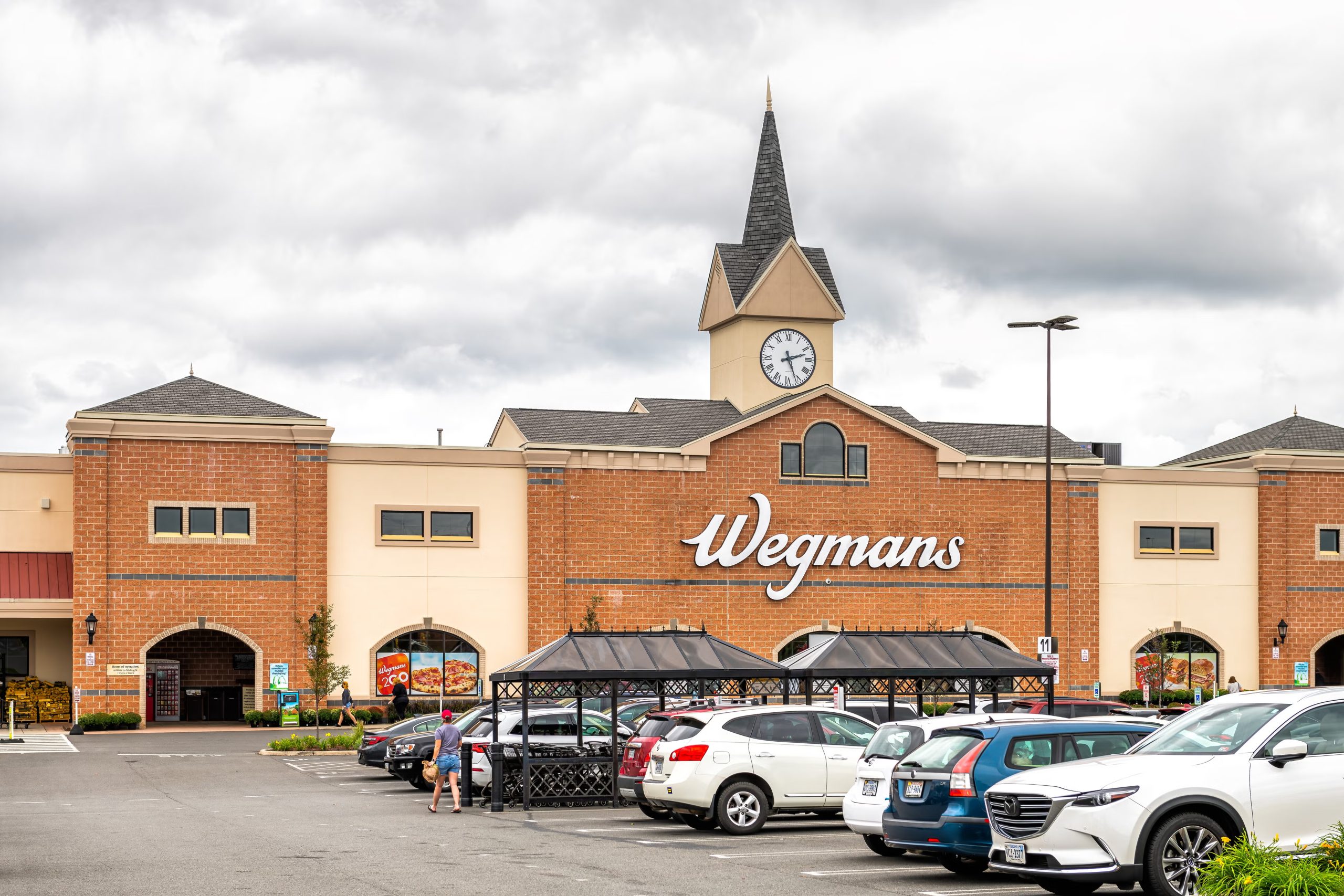 >
>
Boar’s Head’s recall involved three pecorino romano cheese products, including both grated and wedge forms. Big Y, a supermarket chain, notes that Ambriola Company also issued a recall for Boar’s Head Pecorino Romano Wedge, citing “the potential presence of Listeria Monocytogenes.”
It’s worth noting that, as of now, no illnesses have been linked to either recall. Still, the Boar’s Head recall has been classified as Class I, which the FDA defines as a situation where exposure to the product could cause temporary or medically reversible adverse health consequences.
Listeria, according to the CDC, is a bacteria that can contaminate various foods. Infection, caused by eating contaminated food, can lead to invasive illness and intestinal issues. Symptoms in healthy individuals might include fever, headache, and nausea. Listeria infections are a significant public health problem, unfortunately. They are the third leading cause of death from foodborne illness in the United States.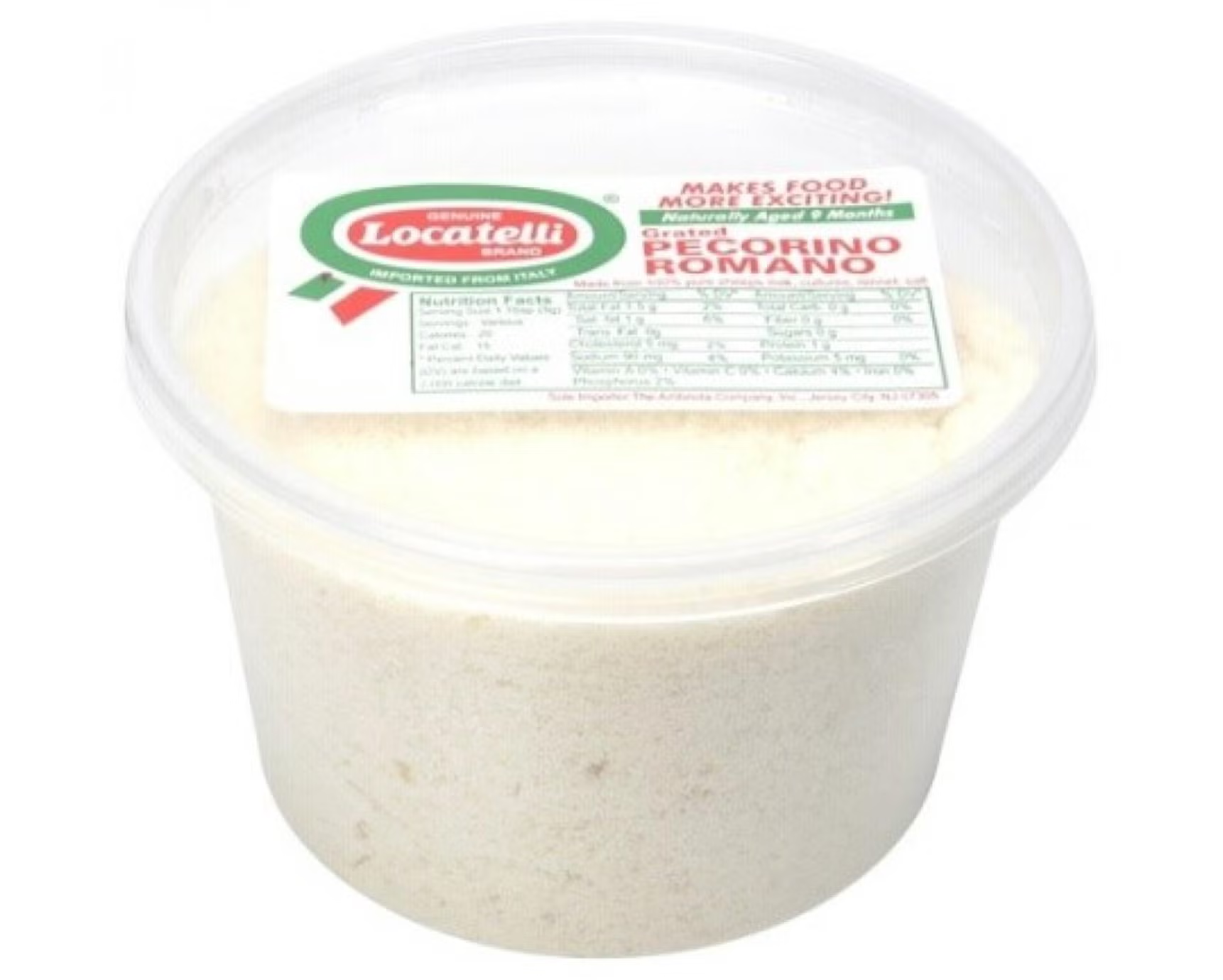 >
>
Digging Deeper: What’s Behind the Cheese Recalls?
These cheese recalls raise some important questions about food safety protocols. Is this a localized issue? Or does it signal a broader problem within the dairy industry’s supply chain? It seems unlikely that two separate companies would encounter the same issue within such a short timeframe without some degree of overlap or shared source of contamination.
Given these facts, one might wonder about the testing procedures currently in place. Are they frequent enough? Are they sensitive enough to detect low levels of contamination? It seems like the system should work. But these events always prompt a bit of scrutiny.
Personal Observations and Industry Insights
Having observed similar patterns in the past, I have some perspective. Recalls tend to come in waves. One company finds a problem, and suddenly everyone downstream starts checking more rigorously. This isn’t necessarily a sign of widespread negligence. But it certainly highlights the interconnectedness of the food industry.
I’ve noticed that smaller producers, with less sophisticated testing infrastructure, are often more vulnerable. However, these recent recalls involve major brands. That tells us that even established companies with robust quality control can face these challenges. The system is not bulletproof.
What Consumers Should Know
The immediate takeaway for consumers is obvious: check your refrigerators! If you’ve purchased any of the recalled cheeses, dispose of them or return them to the store for a refund. It’s better to be cautious, especially for pregnant women, older adults, and individuals with weakened immune systems, as they are at higher risk for severe Listeria infections.
Beyond the immediate concern, consumers should remember that food safety is a shared responsibility. We can all contribute by:
Staying informed about recalls: Regularly check the FDA and CDC websites for updates. Practicing safe food handling: Wash hands thoroughly before preparing food, and cook food to the appropriate temperature. Supporting companies committed to food safety: Look for brands with strong track records and transparent practices.
Looking Ahead: Addressing the Root Causes
To prevent future outbreaks, the industry needs to address the root causes of contamination. This may involve:
Improving sanitation practices: Implementing more stringent cleaning and disinfection protocols throughout the supply chain. Enhancing testing protocols: Increasing the frequency and sensitivity of Listeria testing. Strengthening supply chain management: Improving traceability and accountability at every stage of the process. Investing in research and development: Exploring new technologies for detecting and preventing contamination.
Ultimately, ensuring food safety requires a collaborative effort. Government regulators, industry stakeholders, and consumers all have a role to play. Perhaps these recent recalls will be a wake-up call, prompting renewed efforts to protect our food supply. It remains to be seen. Yet, it is vital to prioritize safety and take proactive measures to mitigate risks.

![[post_title]](https://samony.com.ng/wp-content/uploads/2025/11/1764414269_Ruth-Langsford-open-to-marrying-again-after-Eamonn-Holmes-split-300x158.jpg?lm=692AD340 "Ruth Langsford on Life After Divorce: Finding Strength, Therapy, and Future Romance")

![[post_title]](https://samony.com.ng/wp-content/uploads/2025/11/All-the-places-I-used-my-Trump-Mobile-wireless-service-300x156.jpg?lm=692AD511 "Trump Mobile: Politics & Wireless Collide")
![[post_title]](https://samony.com.ng/wp-content/uploads/2025/11/Juventus-vs-Cagliari-prediction-team-news-lineups.net2Fuploads2F20252F112Fimago1068606686-300x171.webp?lm=692AD236 "Juve vs. Cagliari: Why This “Easy Win” Might Be a Trap")
![[post_title]](https://samony.com.ng/wp-content/uploads/2025/11/1764414105_Hurricane-Melissa-Fuel-queues-for-days-diseases-spreading-and-thousands-300x200.jpg?lm=692AD29C "Hurricane Melissa: Fuel queues for days, diseases spreading, and thousands homeless one month on from devastation")



![[post_title]](https://samony.com.ng/wp-content/uploads/2025/11/1764414269_Ruth-Langsford-open-to-marrying-again-after-Eamonn-Holmes-split-1024x538.jpg?lm=692AD340 "Ruth Langsford on Life After Divorce: Finding Strength, Therapy, and Future Romance")