

![[post_title]](https://samony.com.ng/wp-content/uploads/2025/12/1765036793_Back-to-my-ancestors-way-Apostles-daughter-becomes-water-priestess-1024x535.jpg?lm=693452FA)
Religious Shifts: An Apostle’s Daughter Chooses a Different Path – Industry Implications
A recent online buzz centers on a pastor’s daughter who’s traded her Christian upbringing for the role of a water priestess. This isn’t just an isolated incident; it hints at a larger cultural shift deserving our attention. Social media is amplifying these stories, sparking conversations about faith, tradition, and personal identity. While the specifics of this particular case are unique, the underlying themes resonate with broader trends I’ve been observing for some time.
This isn’t simply about one person’s decision. It touches on the evolving landscape of religious affiliation and spiritual exploration, particularly among younger generations. Her statement, “I left religion, not God,” echoes a sentiment I’ve encountered repeatedly. Many individuals are seeking spirituality outside the confines of traditional religious institutions. They’re yearning for connection and meaning, but perhaps not finding it within established doctrines.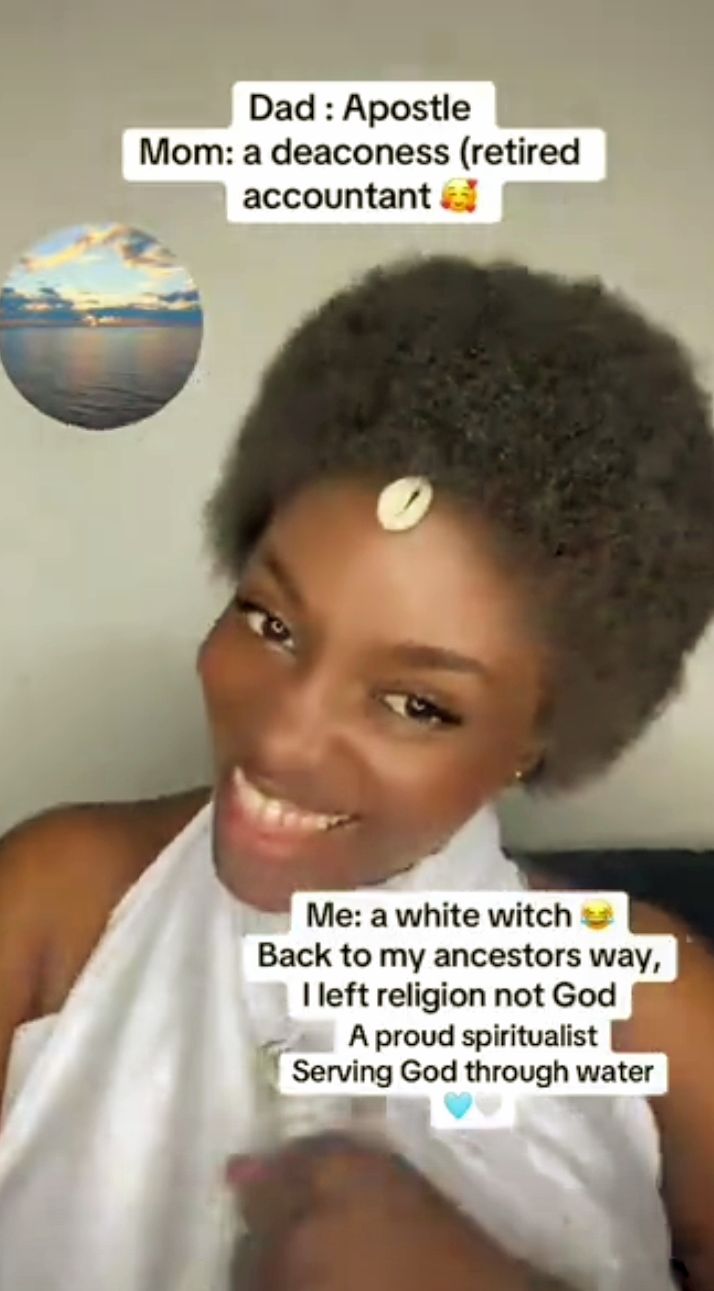 >
>
The responses to her announcement are quite telling. The comments range from curiosity and support to outright condemnation, mirroring the diverse viewpoints on religion and spirituality within our society. Questions about her parents’ reaction highlight the tension that can arise when individuals deviate from established norms. The parent’s perceived “failure,” as one commenter bluntly put it, underscores the pressure to conform. Yet others offered congratulations and support, suggesting tolerance and acceptance toward new spiritual paths. These reactions reveal a complex interplay of tradition, belief, and individual expression.
It’s worth considering the role of social media in all of this. Platforms like TikTok provide a space for individuals to share their journeys and connect with like-minded people. They can also amplify dissenting voices and challenge established norms. In this case, social media has not only facilitated the young woman’s announcement but also ignited a broader conversation about faith, identity, and cultural change. The ability to connect and share these experiences on a global scale may fuel the growing interest in alternative spiritual paths.
Still, we should be cautious about drawing sweeping conclusions from a single story or trending topic. Individual experiences can be complex and deeply personal, influenced by a variety of factors. It would be a mistake to assume that this one instance signifies a mass exodus from organized religion. However, it does serve as a valuable case study, prompting us to examine the forces shaping contemporary spiritual expression.>
Given these facts, what can we learn from this trend? For religious organizations, this could signal a need to adapt and engage with younger generations in more meaningful ways. Perhaps, providing spaces for open dialogue, embracing diverse perspectives, and addressing the spiritual needs of individuals who feel disconnected from traditional structures. For society as a whole, it calls for greater understanding and acceptance of different belief systems. The goal should be to foster an environment where individuals can explore their spirituality freely, without fear of judgment or condemnation.
This challenge – understanding evolving belief systems – extends beyond religious circles. Businesses, too, need to be aware of these cultural shifts. Consumer values are increasingly shaped by individual beliefs and spiritual leanings. Brands that align with these values – authenticity, purpose, and community – are more likely to resonate with today’s consumers. This also means recognizing the diversity of spiritual expression and avoiding stereotypes or generalizations.
I’ve seen similar patterns emerge in other industries as well. A growing desire for personalized experiences, a rejection of one-size-fits-all solutions, and a renewed focus on individual well-being. All these factors point to a broader cultural shift towards self-discovery and authentic expression.
This trend could impact the rise of: Spiritual Tourism: As people seek new experiences, travel focused on spiritual retreats, wellness centers, and cultural immersion may grow. Mindfulness and Meditation Apps: With a rising focus on mental wellbeing, digital tools that help cultivate mindfulness and inner peace could become more popular. Alternative Healing Practices: Interest in practices such as yoga, acupuncture, and herbal medicine may rise as people look for holistic approaches to health. Personalized Spirituality Platforms: Online communities and platforms offering customized spiritual guidance and resources may attract individuals seeking a more tailored approach. Ethical and Sustainable Businesses: Consumers increasingly support businesses that align with their values, including ethical sourcing, environmental sustainability, and social responsibility.
Yet, there’s also a potential downside. The proliferation of online spiritual content can lead to misinformation and the rise of unqualified “gurus.” It’s crucial to approach these resources with a critical eye and seek guidance from reputable sources.
In any case, this apostle’s daughter’s decision, amplified by social media, offers a glimpse into the evolving spiritual landscape. It encourages us to examine our assumptions, embrace diverse perspectives, and engage in open dialogue about faith, identity, and cultural change. Understanding these trends is not just a matter of academic interest; it’s essential for navigating the complexities of our increasingly interconnected world.
It’s worth noting that these shifts aren’t necessarily about abandoning religion altogether. Instead, people might be redefining their relationship with spirituality. They seek personal meaning and authentic connections and this quest often leads them outside the established religious institutions of their upbringing. They are looking for answers and acceptance. They want to create a better world, a better future, and a better self.



![[post_title]](https://samony.com.ng/wp-content/uploads/2025/12/1765034897_Why-Gonorrhoea-is-becoming-harder-to-treat-300x300.jpg?lm=69344B94 "Outpacing Super Gonorrhea: A Call for Vigilance Forged in Experience")
![[post_title]](https://samony.com.ng/wp-content/uploads/2025/12/1765034917_Catastrophic-Indonesia-flooding-death-toll-rises-to-900-300x200.jpg?lm=69344BA9 "Indonesian Floods: Bridging the Disaster Divide Between Jakarta and Sumatra.")
![[post_title]](https://samony.com.ng/wp-content/uploads/2025/12/1765034981_Im-a-Celebrity-star-Aitchs-real-name-and-clever-meaning-300x158.jpg?lm=69344BE8 "From Aitch to AI: Navigating Authenticity in the Evolving Entertainment Landscape")

![[post_title]](https://samony.com.ng/wp-content/uploads/2025/12/Tottenham-v-Brentford-Manchester-City-v-Sunderland-and-more-football-1024x538.jpg?lm=693452AE "Premier League Trends: City’s Ascent, Tottenham’s Hope, and Player Welfare")
