

![[post_title]](https://samony.com.ng/wp-content/uploads/2025/11/1764396619_Vision-Dies-Once-Again-In-Marvel-Comics-Before-The-MCUs-674x1024.jpg?lm=692A8E55)
Vision’s Recurring Deaths: A Marvel Trend or Creative Stagnation?
It seems like every time Vision gears up for a big moment in the MCU, he bites the dust in the comics. The latest example? X-Vengers 2 witnesses the android Avenger’s demise, falling victim to Revelation’s manipulations amidst an X-Virus outbreak. He’s not just deactivated; he’s essentially dismantled. And this isn’t exactly a novel plot point.
This pattern begs the question: Is Marvel creatively bankrupt when it comes to Vision? Or does this cyclical demise actually serve a purpose?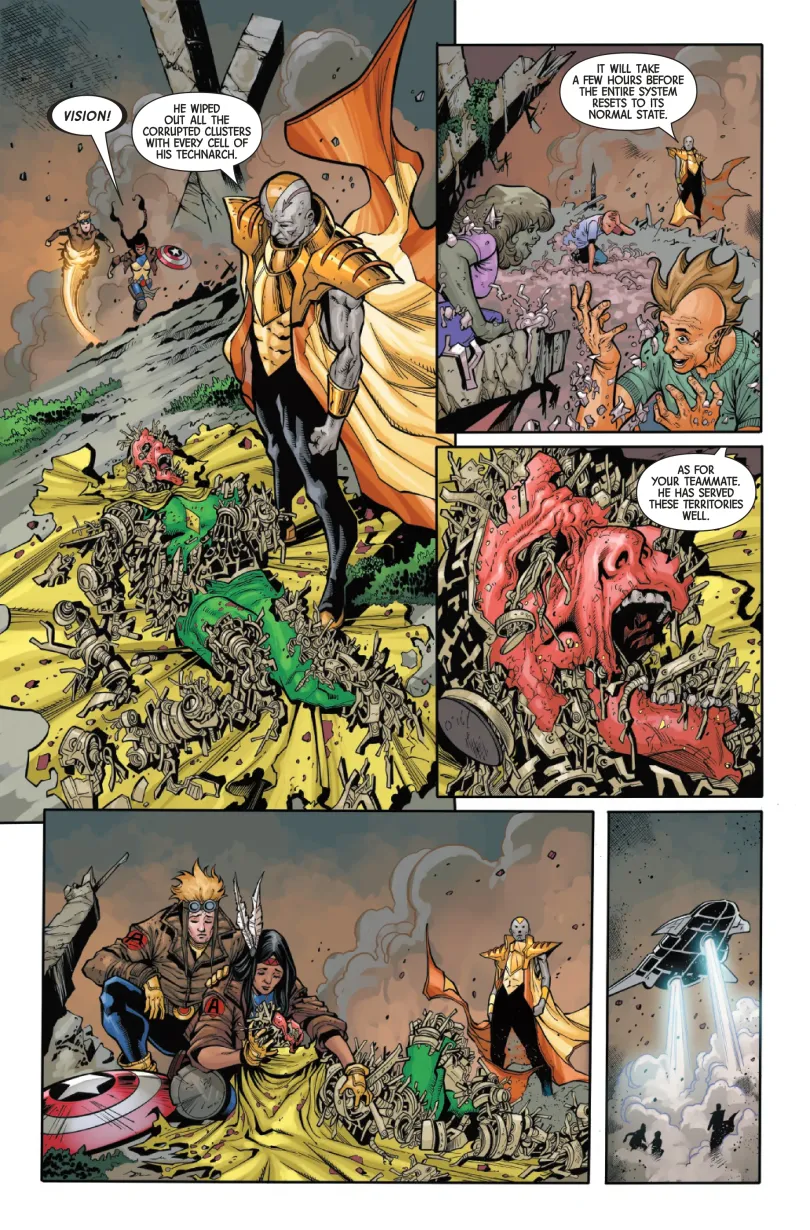 >
>
I’ve been following comics for years, and resurrections are practically a genre staple. Still, the frequency with which Vision meets his end feels different. Jean Grey might be famous for dying, but Vision might be racking up a higher score. It makes you wonder about the long-term effect on character development. When death becomes routine, does it lose its impact?
This current storyline involving the X-Virus has thrown the Marvel Universe into disarray. The transformations and deaths occurring within the X-Vengers series, like Scott Lang’s unfortunate demise as Variable Man, certainly raise the stakes. One can’t help but feel a sense of impending doom for Dani Moonstar’s team.
In the comic, Vision, infused with a modified Technarch virus, attempts to neutralize the infection spreading through the city. But Revelation exploits Vision’s abilities, overriding his systems and leaving him a shattered husk. The comic paints it as a brutal end, arguably more severe than past instances.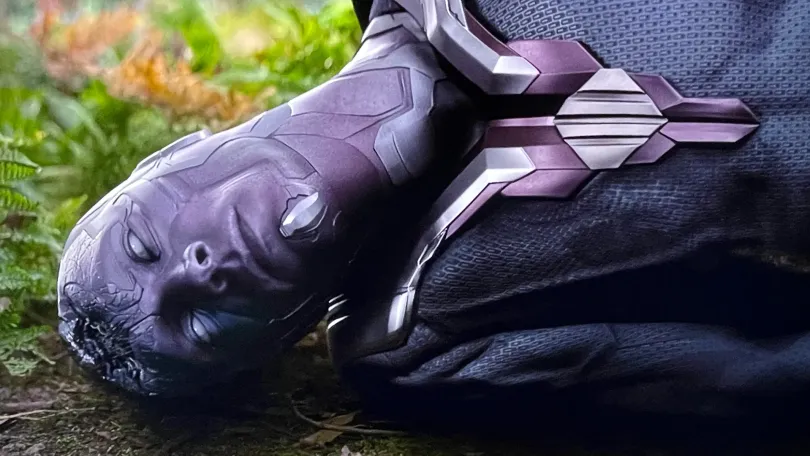 >
>
But death is rarely permanent in comics, especially for artificial beings. Vision’s very nature presents a unique narrative challenge. Unlike organic heroes, his consciousness, being essentially code, can be copied, restored, or reimagined. The white Vision, his Young Avengers reboot, and even his brief resurrection in Chaos War showcase this.
Because of this “recoverable” consciousness, any attempt to eliminate Vision risks feeling temporary. This undercuts the emotional weight of his story. Each return dilutes the previous sacrifice. Marvel tried to sidestep this in 2025 with The Vision and the Scarlet Witch, showcasing the duo aging and dying together in an alternate reality. It provided closure, even if fleeting. It’s worth noting if it served as a solid conclusion.
The upcoming Vision Quest series on Disney+ further complicates matters. The show presents a difficult dilemma. Can Marvel deliver a story that resonates when the audience inherently knows Vision can (and likely will) return in some form?
The show has Terry Matalas as showrunner, with Christopher J. Byrne, and Gandja Monteiro directing. The writing is also being done by Terry Matalas. From the cast list it shows appearances from James D’Arcy as J.A.R.V.I.S, and Orla Brady.
Perhaps Vision Quest will explore the philosophical implications of artificial intelligence and consciousness, using Vision’s repeated deaths as a thematic device. Maybe they’ll grapple with the very definition of life and death for a being that exists beyond biological constraints. That approach might breathe new life into a familiar trope.
Still, skepticism lingers. Are these deaths plot devices designed to generate buzz and drive sales? Or do they genuinely serve a larger narrative purpose? Only time will tell if Marvel can escape this cycle of destruction and rebirth, or if Vision is destined to remain a perpetually dying, and resurrecting, synthetic man. It might require a bold move, one that truly redefines the character and his place in the Marvel Universe. It may be time to let him have a meaningful existence beyond being the sacrificial lamb.

![[post_title]](https://samony.com.ng/wp-content/uploads/2025/11/1764396619_Vision-Dies-Once-Again-In-Marvel-Comics-Before-The-MCUs-198x300.jpg?lm=692A8E52 "Vision’s Down Again? Is This Marvel’s Only Trick With The Android Avenger?")
![[post_title]](https://samony.com.ng/wp-content/uploads/2025/11/1764396837_Burna-Boy-Sister-speaks-on-rumoured-sack-of-mother-as-300x165.jpeg?lm=692A8F27 "Burna Boy’s Management Drama: What’s Really Going On?")
![[post_title]](https://samony.com.ng/wp-content/uploads/2025/11/1764395614_How-conflict-is-driving-child-malnutrition-in-Benue-300x166.jpg?lm=692A8A61 "Nigeria’s Forgotten Children: Is Conflict Starving Benue State’s Future?")
![[post_title]](https://samony.com.ng/wp-content/uploads/2025/11/Brent-WTI-Up-As-Market-Weighs-Peace-Talks-OPEC-Meetings-300x225.jpg?lm=692A8ABF "Oil’s Wild Ride: Can OPEC+ Tame the Chaos?")
![[post_title]](https://samony.com.ng/wp-content/uploads/2025/11/The-Verges-guide-to-Black-Friday-and-Cyber-Monday-2025-300x156.jpg?lm=692A89D9 "Black Friday & Cyber Monday 2025: A Skeptic’s Shopping Guide")

![[post_title]](https://samony.com.ng/wp-content/uploads/2025/11/MNK-Told-Me-If-Igbos-Were-In-The-Scheme-Of.jpeg?lm=692A8D31 "Nnamdi Kanu, Igbo Grievances, and Nigeria’s Justice Test")
![[post_title]](https://samony.com.ng/wp-content/uploads/2025/11/How-to-watch-todays-Memphis-Grizzlies-vs-Denver-Nuggets-NBA-1024x576.jpg?lm=692566A5 "Nuggets vs. Spurs: Can San Antonio Steal a Win Without Wemby? Don’t Miss This One.")
![[post_title]](https://samony.com.ng/wp-content/uploads/2025/11/1764396837_Burna-Boy-Sister-speaks-on-rumoured-sack-of-mother-as.jpeg?lm=692A8F27 "Burna Boy’s Management Drama: What’s Really Going On?")
