


Vegan beauty products are currently experiencing a significant surge in popularity and market presence, evolving from niche offerings with often unappealing packaging and inconsistent formulas to sophisticated alternatives that frequently rival or even surpass their traditional counterparts. This transformation reflects a broader shift in consumer priorities, driven by ethical, health, and environmental considerations. Industry experts note that the sector is in its prime, with innovations continually enhancing product efficacy and appeal, making vegan options increasingly accessible and desirable for a diverse consumer base.
Karen Spinner, head of sales and marketing at the Vegan Trademark, clarifies the precise definition of a vegan product: it must contain no animal ingredients and no animal-derived components, inherently implying it is also cruelty-free, meaning no animal testing has occurred. However, Spinner cautions that a “cruelty-free” label alone does not automatically guarantee a product is vegan, as some cruelty-free items may still contain animal derivatives. This distinction is crucial for consumers navigating the complex landscape of ethical beauty certifications.
The beauty industry has historically relied on various animal derivatives, often without clear consumer awareness. Spinner highlights common misleading ingredients such as squalene, an extract from shark’s liver frequently found in deodorants, lip balms, and moisturisers. Ambergris, derived from the fat in the intestine of sperm whales, sees extensive use in the perfume industry. Additionally, trending vanilla perfumes often contain castoreum, a secretion from beaver castor sacs, while cochineal, a pigment created by crushing insects, is prevalent in many lipsticks, blushes, and nail polishes.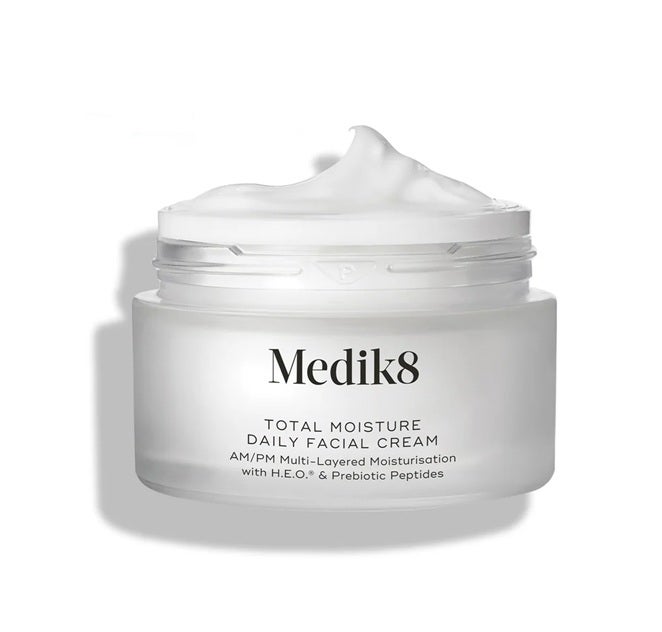
The burgeoning demand for vegan beauty stems largely from rising ethical concerns, increased health consciousness regarding animal products reacting with skin, and growing environmental awareness. Spinner reveals that over 52% of the Vegan Society’s market share is attributed to cosmetics and beauty, often overshadowing the public perception that veganism primarily concerns food. Research from 2021 indicated that 40% of women in the UK who consistently purchase vegan beauty products are not themselves vegan, underscoring the widespread appeal of these ethical and high-performing alternatives among conscious consumers.
In skincare, the market now offers highly effective vegan formulations that cater to popular trends like ‘glass skin’ and ‘hazy cheeks’, which depend on healthy, vibrant complexions. Aesop’s Parsley Seed Facial Cleanser, a certified B Corp and Leaping Bunny-approved product, exemplifies luxurious self-care with its antioxidant-rich botanicals designed for urban living. Another notable option is Medik8 Total Moisture Daily Facial Cream, a science-led, Vegan Society-certified product trusted by dermatologists, offering a non-comedogenic formula suitable for various skin types with prebiotic peptides, ceramides, and lipids for optimal hydration.
Historically, base makeup presented a significant challenge for vegan formulations to achieve desired performance, but recent advancements have perfected these products in response to robust consumer demand. Ultrasun Face Fluid Tinted SPF50+, though not all Ultrasun products are vegan, stands out as a vegan-friendly hybrid offering broad-spectrum sun protection alongside sheer, skin-evening coverage, ideal for everyday wear. Merit’s The Minimalist Perfecting Complexion Stick, renowned for its pared-back, skin-first approach, provides buildable coverage that blends effortlessly, effectively concealing imperfections while maintaining a natural, light finish.
Vegan eye makeup has also evolved dramatically, no longer compromising on pigment intensity or longevity. Vieve Icon Mascara, certified vegan and cruelty-free by PETA, delivers volume and definition without flaking or stiffness, building well for both natural daytime and fuller evening looks. E.l.f. Cosmetics, a long-standing vegan brand double-certified by PETA and Leaping Bunny, offers its No Budge Shadow Stick, a practical, long-wearing cream eyeshadow that provides rich colour in a single swipe, setting quickly without creasing for reliable, touch-up-free wear throughout the day.
The luxury vegan body care sector is also expanding, presenting effective and indulgent options. Grove England’s Anemone Body Wash, made in the south of England, provides a nourishing experience with antioxidants, vitamin B5, and amino acids, leaving skin radiant, though consumers are advised to verify third-party certifications. Aromatica Embrace Body Lotion Neroli and Patchouli, a popular K-beauty brand with ECOCERT-certified, vegan-friendly ingredients, is a hero product that hydrates deeply with pure shea butter, absorbing efficiently into damp skin without leaving any sticky or greasy residue, epitomising the sophisticated advancements in the vegan beauty market.
This current landscape suggests an opportune moment for consumers to integrate vegan products into their routines, beginning with simple swaps like replacing beeswax lip balms with those containing candelilla wax. These transitions often represent an upgrade rather than a compromise, offering superior performance and ethical benefits. The continuous innovation across all beauty categories underscores a future where vegan options are not just alternatives but leading choices, driven by both conscious consumerism and cutting-edge product development.






