


A prominent Nigerian human rights lawyer and social critic, Dele Farotimi, has vehemently criticised reported United States military airstrikes targeting ISIS-linked groups within Nigeria, branding such actions as a profound breach of the nation’s sovereignty. Farotimi asserted that these alleged foreign military operations underscore deeper systemic failures within Nigeria’s leadership, highlighting an inability to independently safeguard the country’s territorial integrity and national interests.
Farotimi articulated his concerns via a post on his X handle, reacting to widespread reports concerning US involvement in counter-terrorism efforts specifically in Nigeria’s north-west region. He contended that Nigeria’s sovereign standing has been progressively eroded by a succession of political leaders who, in his view, consistently lack the requisite resolve to defend the nation without resorting to or relying upon external intervention.
The lawyer further argued that the very presence and operational capacity of foreign military forces within Nigeria’s borders serve as stark indicators of enduring governance deficiencies. These deficiencies, according to Farotimi, reflect a weak assertion of independence, particularly in critical security matters, leaving the nation vulnerable to external pressures and potential infringements on its autonomy.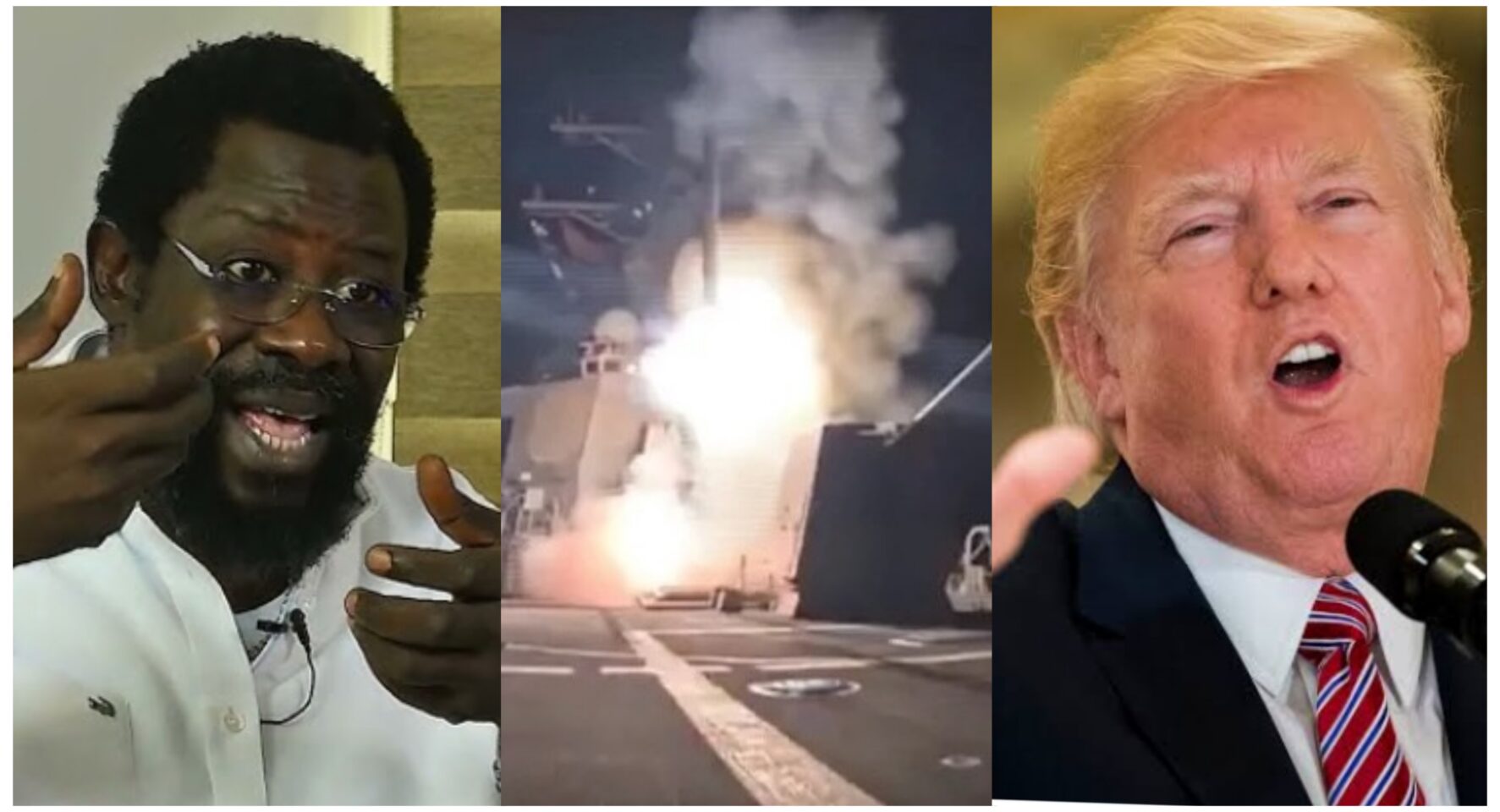
Drawing parallels from regional political dynamics, Farotimi cited an incident involving French military action in neighbouring Benin Republic. He alleged that then-President Emmanuel Macron dispatched Nigerian forces to bomb what he termed “coupists” in sovereign Benin, purportedly at the behest of Nigerian authorities without proper legislative oversight. Farotimi claimed this demonstrated a pattern where Nigeria’s sovereignty was effectively placed under foreign influence by its own leadership, specifically implicating President Bola Ahmed Tinubu in such actions.
Extending his critique, Farotimi claimed that the reported US airstrikes, which he attributed to the administration of former President Donald Trump, followed a similar trajectory of external disregard for Nigeria’s national independence. He characterised these alleged actions as a blatant disrespect for the nation’s sovereignty, accusing Nigeria’s political elite of tacitly enabling such foreign interventions through their perceived silence and complicity.
Farotimi maintained that foreign powers are emboldened to act with such audacity because Nigeria’s leadership has consistently failed to demand accountability or to firmly assert its national independence in critical security and defense affairs. This perceived lack of assertive leadership, he posited, creates an environment where external actors feel unconstrained in their operations within Nigerian territory.
The broader implications of such alleged foreign military engagements extend to the fundamental principles of international law and national self-determination. While international cooperation in counter-terrorism is common, the precise nature of foreign military involvement, especially without clear public disclosure or parliamentary approval, often sparks intense debate over sovereignty, transparency, and accountability.
Many analysts argue that while external assistance might be crucial in confronting formidable threats like insurgencies, it must be carefully managed to avoid perceptions of dependency or, worse, direct intervention that undermines national authority. Farotimi’s critique resonates with a segment of public opinion that prioritises absolute national control over security operations, even when facing significant domestic challenges.
Ultimately, Farotimi’s assertions underscore a deep-seated concern among some Nigerian observers about the country’s standing on the global stage and its capacity to manage internal security threats without compromising its sovereignty. His call for stronger leadership and a more robust defense of national independence reflects a demand for greater self-reliance and a reassertion of Nigeria’s authority over its own destiny in security matters.

!['I was paid to ridicule Davido, Chioma' - Uche Maduagwu tenders public apology [VIDEO]](https://samony.com.ng/wp-content/uploads/2025/12/I-was-paid-to-ridicule-Davido-Chioma-Uche-Maduagwu-300x300.jpeg?lm=694E99B6 "Influencer Uche Maduagwu Apologizes for Paid Davido Trolling")




!['I was paid to ridicule Davido, Chioma' - Uche Maduagwu tenders public apology [VIDEO]](https://samony.com.ng/wp-content/uploads/2025/12/I-was-paid-to-ridicule-Davido-Chioma-Uche-Maduagwu-1024x1024.jpeg?lm=694E99B6 "Influencer Uche Maduagwu Apologizes for Paid Davido Trolling")

