

![[post_title]](https://samony.com.ng/wp-content/uploads/2025/12/US-military-branch-officially-stops-classifying-swastikas-as-hate-symbols.avif)
The United States Coast Guard has become embroiled in controversy following reports of a policy change that would reclassify the swastika from a “hate symbol” to “potentially divisive” within its workplace harassment guidelines. This reported shift, initially cited by The Washington Post, sparked immediate public and political backlash, prompting a swift intervention from the Coast Guard’s leadership to reaffirm the prohibition of such symbols.
Admiral Kevin Lunday, the commandant of the U.S. Coast Guard, issued a memo on November 20 explicitly denouncing symbols like swastikas and nooses. He unequivocally stated that these symbols remain strictly prohibited for all Coast Guard personnel, emphasizing that his directive would supersede any other conflicting language found within the service’s official policies. This move aimed to clarify the Coast Guard’s stance amidst the growing outcry.
The initial report from The Washington Post indicated that the new harassment policy, which came into effect on a Monday, included the contentious reclassification. This information reportedly stemmed from a memo sent by the Coast Guard to Congress earlier in the week. Prior to Admiral Lunday’s intervention, the Trump administration had dismissed claims of such a policy change as “false,” adding to the confusion surrounding the official position.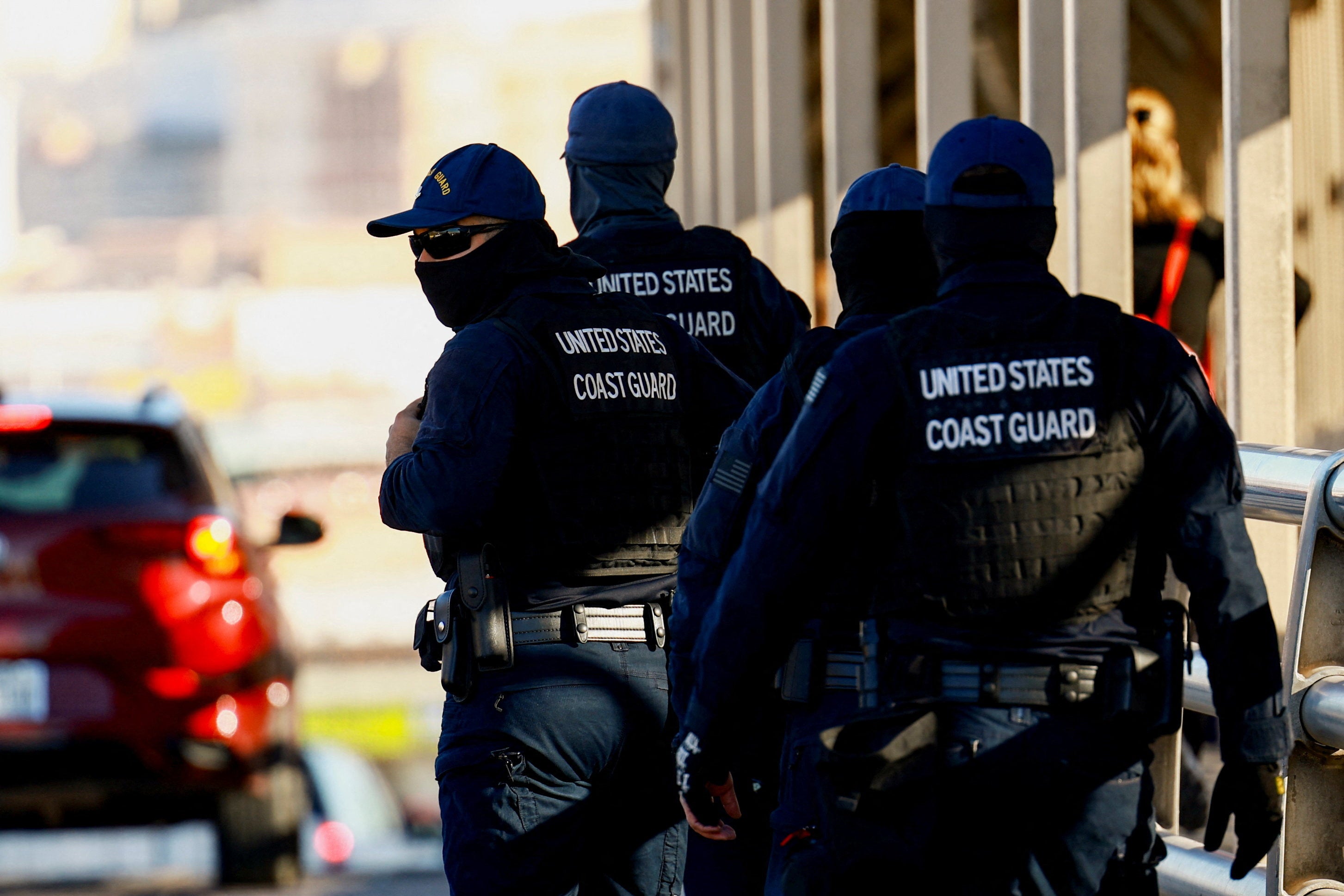
Previous Coast Guard policy maintained a clear and unambiguous stance on hate symbols. It included a non-exhaustive list, explicitly identifying items such as a noose, a swastika, supremacist symbols, Confederate symbols or flags, and anti-Semitic symbols as constituting a potential hate incident. The policy underscored that these symbols were considered hate-based due to their adoption by groups promoting supremacy, racial or religious intolerance, or other forms of bias.
Democratic Senator Jacky Rosen voiced strong condemnation of the reported policy alteration, warning that it would “roll back important protections against bigotry” and potentially allow for the display of “horrifically hateful symbols.” Her concerns were particularly amplified by the timing, occurring amid a global rise in antisemitism, including a recent shooting at a Hanukkah celebration in Australia.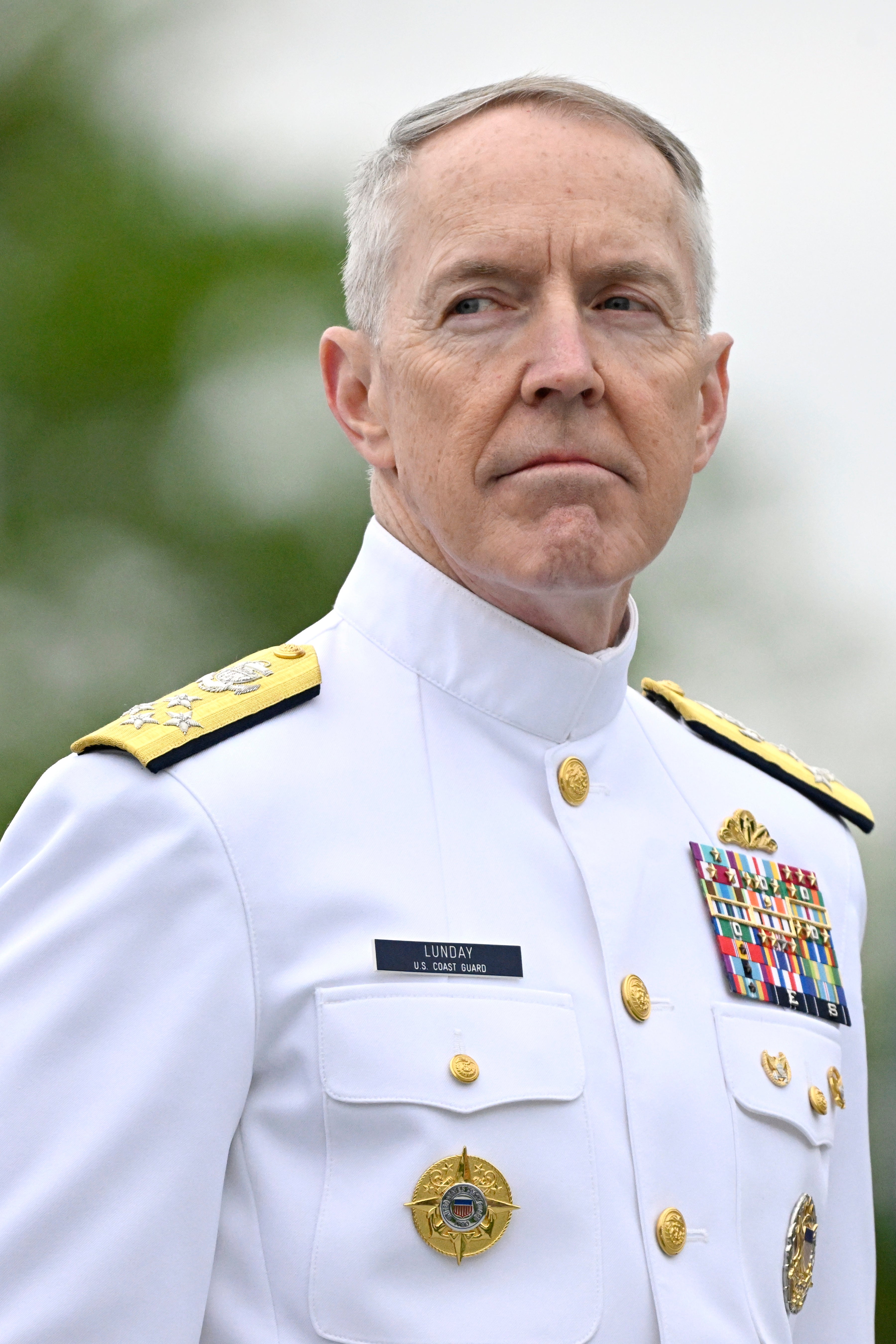
Deborah Lipstadt, a distinguished historian and President Joe Biden’s special envoy to monitor and combat antisemitism, described the reported change as “terrifying.” She expressed profound dismay, noting that at a time when there is a concerning “whitewashing of Nazis amongst some on the far right,” labeling the swastika as merely “potentially divisive” was “hard to fathom.” Lipstadt stressed that the swastika represents an ideology against which “hundreds of thousands of Americans fought and gave their lives to defeat.”
Admiral Lunday’s appointment as commandant by former President Donald Trump followed the dismissal of Admiral Linda Fagan. Trump reportedly removed Fagan for focusing too heavily on “non mission critical” diversity, equity, and inclusion (DEI) initiatives. At the time of the initial reports, Admiral Lunday’s confirmation was still pending, with his hearing scheduled for later in the week.
Despite the controversy, Admiral Lunday’s firm directive appears to have re-established a clear prohibition on hate symbols within the Coast Guard. The incident, however, underscores ongoing debates regarding military policy, freedom of expression, and the interpretation of historically charged symbols, particularly in an era of heightened social and political sensitivity. The Coast Guard has since asserted that Lunday’s memo was not an updated policy but a new clarification to combat misinformation and reinforce existing prohibitions.
The broader implications of such policy discussions resonate beyond military ranks, touching upon national values and the commitment to combating hate speech. The vigilance demonstrated by public figures and experts highlights the critical importance of clear, unambiguous stances against symbols associated with historical atrocities and contemporary bigotry, ensuring that the safety and well-being of all service members are prioritized.

![[post_title]](https://samony.com.ng/wp-content/uploads/2025/12/Guadalajara-vs-Barcelona-Copa-del-Rey-Team-News-Preview-Lineups-300x156.jpg?lm=6941E559 "Barcelona Faces Guadalajara in Copa del Rey Round of 32")
![[post_title]](https://samony.com.ng/wp-content/uploads/2025/12/Samsung-releasing-new-Micro-RGB-TVs-in-2026-300x156.jpg?lm=6941E57E "Samsung Expands Micro LED TV Lineup to Smaller Sizes")
![[post_title]](https://samony.com.ng/wp-content/uploads/2025/12/1765926560_This-salad-and-side-dish-staple-could-be-spiking-your.jpeg?lm=6941E6A0 "Halloumi Cheese: A Hidden Sodium Risk for Heart Health")
![[post_title]](https://samony.com.ng/wp-content/uploads/2025/12/Police-Arrest-Influencer-Peller-Over-Reckless-Driving-300x268.jpg?lm=6941E302 "Lagos Police Arrest Influencer Peller Over Reckless Live-Stream Crash")



![[post_title]](https://samony.com.ng/wp-content/uploads/2025/12/Guadalajara-vs-Barcelona-Copa-del-Rey-Team-News-Preview-Lineups-1024x532.jpg?lm=6941E559 "Barcelona Faces Guadalajara in Copa del Rey Round of 32")
![[post_title]](https://samony.com.ng/wp-content/uploads/2025/12/Samsung-releasing-new-Micro-RGB-TVs-in-2026-1024x532.jpg?lm=6941E57F "Samsung Expands Micro LED TV Lineup to Smaller Sizes")
