

![[post_title]](https://samony.com.ng/wp-content/uploads/2025/12/1766051918_Trumps-accusations-against-major-oil-producing-nation-sparking-warmongering-threats-1024x538.jpg?lm=6943D050)
The United States has imposed a sweeping naval blockade on Venezuela and designated its government a foreign terrorist organization, a move that significantly escalates tensions in the region and draws strong condemnation from Caracas. Former President Donald Trump, leading the initiative, accused the Venezuelan administration of Nicolás Maduro of egregious crimes including drug smuggling and human trafficking, justifying the aggressive posture as a necessary measure against an “illegitimate regime.” This dramatic escalation has prompted warnings from international observers about the potential for dangerous new global conflicts, fueling concerns over unpredictable international crises.
Mr. Trump announced a “total and complete” blockade on all sanctioned oil tankers entering and exiting Venezuela, alongside a substantial increase in US military presence in the Caribbean. He publicly declared the Maduro government a Foreign Terrorist Organization (FTO), reiterating accusations of illicit activities used to finance its operations. The US has also reportedly conducted strikes on vessels it claims were involved in drug smuggling, though public evidence supporting these claims has not been extensively provided. These actions are framed by Washington as part of a broader strategy to exert pressure on what it considers an authoritarian government.
In response, the Venezuelan government vehemently condemned the US actions, labeling them “warmongering threats” and an attempt to “steal its resources.” President Nicolás Maduro strongly denied the accusations of terrorism and illicit trade, instead claiming that the US had “kidnapped the crew” and “stolen” a seized Venezuelan ship. Venezuelan officials have consistently portrayed US pressure as an imperialist effort to undermine the nation’s sovereignty and control its vast oil reserves, the largest proven in the world.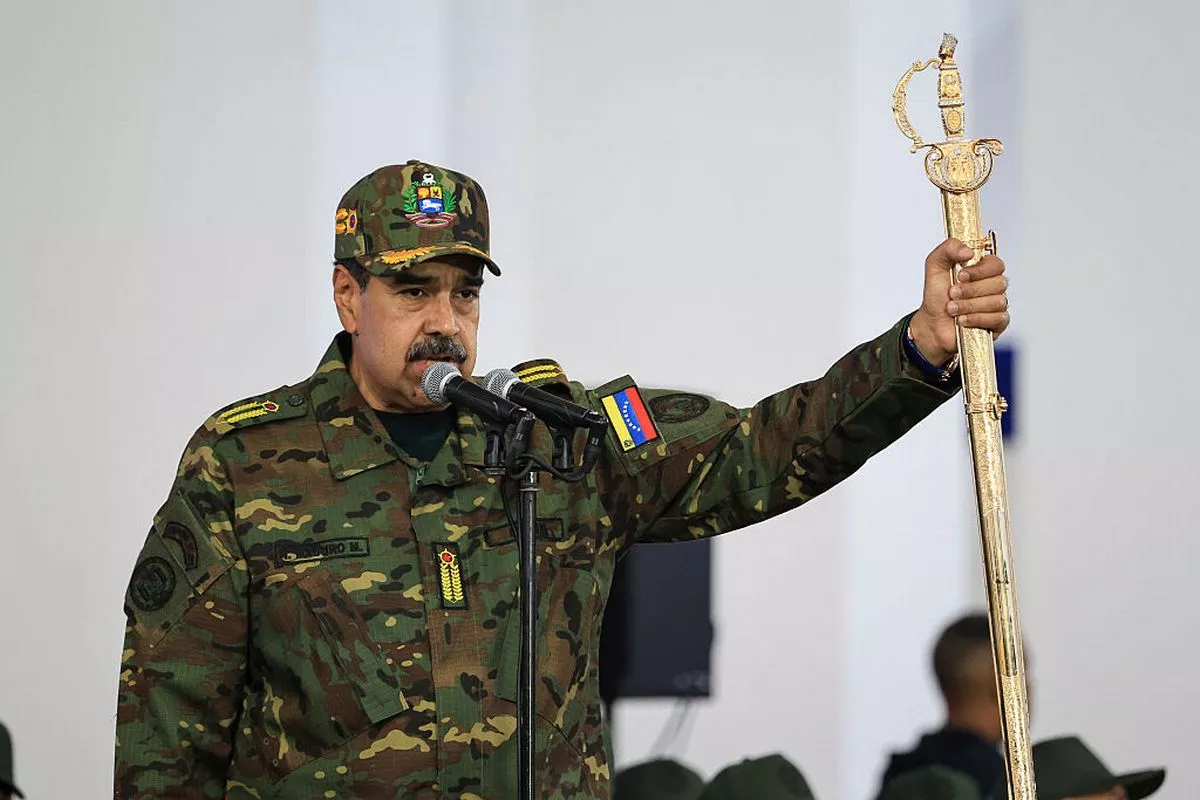
The US has reinforced its stance with new sanctions targeting dozens of ships linked to Venezuelan oil operations, as well as individuals closely associated with President Maduro’s family and business interests. These measures build upon a long history of US efforts to isolate the Maduro government, which Washington ceased to recognize as legitimate years prior, instead backing opposition leader Juan Guaidí. The intensified economic and military pressure marks a significant shift, moving beyond targeted sanctions to a more direct confrontational approach.
Former President Trump publicly boasted about the overwhelming military deployment, stating on his Truth Social platform that Venezuela was “completely surrounded by the largest Armada ever assembled in the History of South America.” He warned that this military presence would “only get bigger” and “be like nothing they have ever seen before,” further amplifying concerns about the potential for direct military confrontation. This rhetoric underscores a perceived unilateral approach to foreign policy, often characterized by the “America First” doctrine.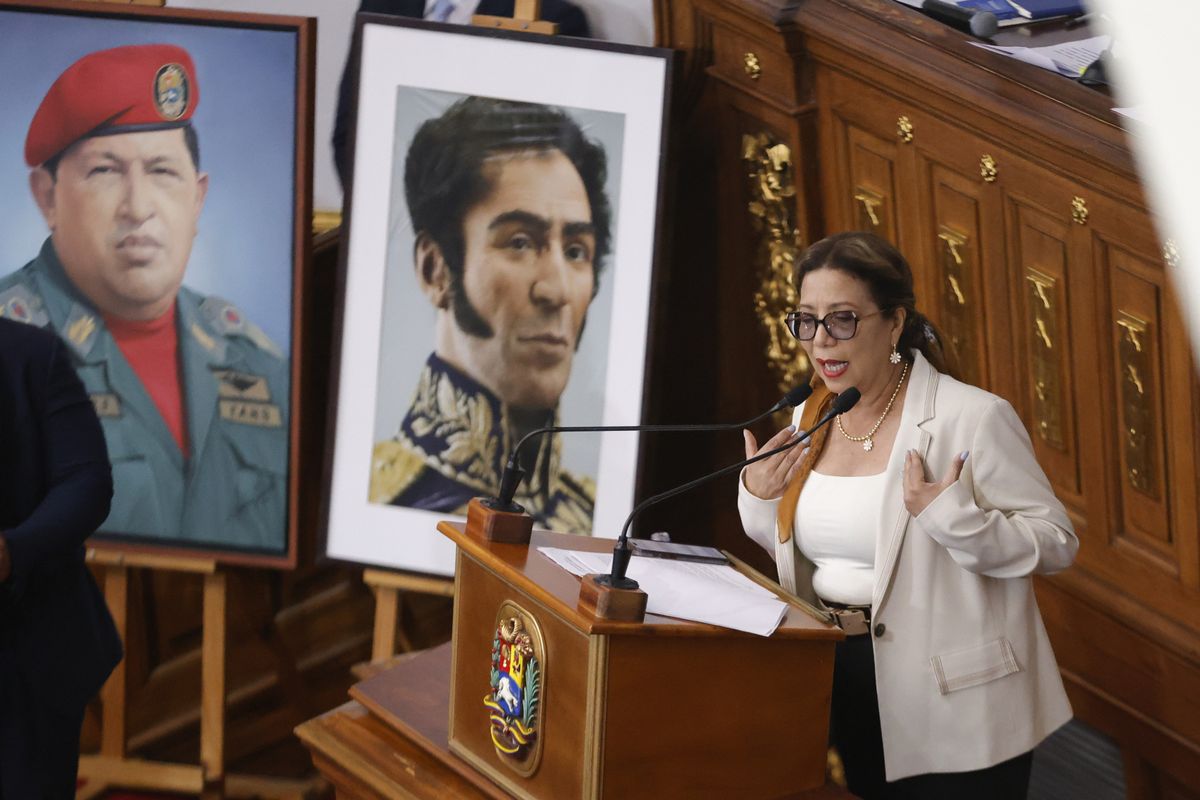
The military build-up reportedly involves thousands of US troops and the deployment of the USS Gerald R. Ford, the world’s largest aircraft carrier, now positioned strategically close to Venezuelan waters. This considerable display of force has drawn sharp criticism domestically within the United States. Congressman Joaquin Castro notably described the naval blockade as “unquestionably an act of war,” indicating a potential constitutional challenge and calling for congressional oversight. He announced plans for a resolution directing the president to cease hostilities with Venezuela, highlighting deep divisions within US political circles regarding the legality and wisdom of such aggressive actions.
Critics argue that the Trump administration’s assertive foreign policy, including the revival of elements reminiscent of the historical Monroe Doctrine – once intended to keep European powers out of Latin America but now seen by some as a tool for aggressive US dominance – risks destabilizing the entire region. The current blockade and military posturing are viewed by these critics as potentially igniting broader regional conflicts and undermining international norms of sovereignty and non-intervention. The humanitarian implications for Venezuela, already grappling with severe economic hardship, also remain a significant concern amidst these heightened tensions.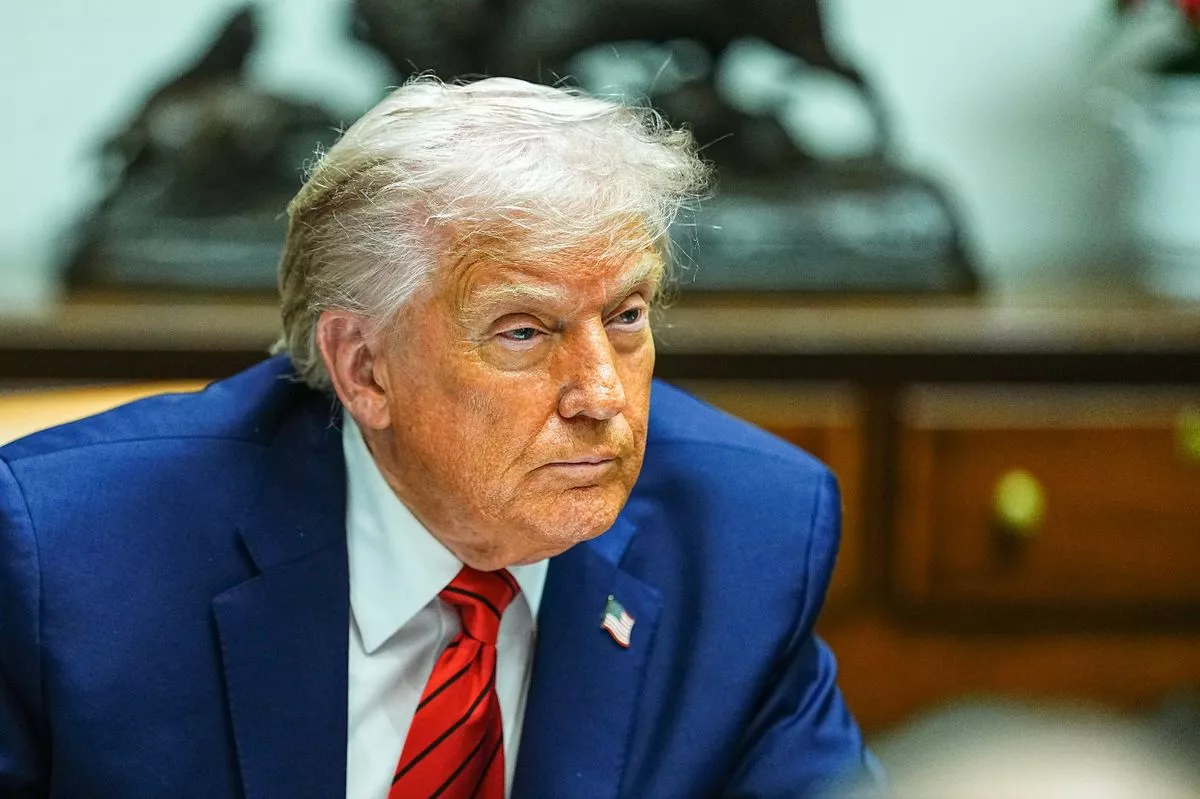
The global community watches closely as the standoff between Washington and Caracas intensifies, with the potential for widespread repercussions on international diplomacy, energy markets, and regional stability. The immediate future of US-Venezuela relations appears increasingly volatile, marked by a determined US stance and an equally defiant Venezuelan government, each firm in their respective positions. The unfolding situation presents a critical test for international conflict resolution mechanisms and the principle of sovereign nationhood in the face of superpower pressure.

![[post_title]](https://samony.com.ng/wp-content/uploads/2025/12/US-Embassy-Honours-Five-Nigerian-Content-Creators.webp.webp "US Embassy Honours Nigerian Digital Creators for Impactful Storytelling")
![[post_title]](https://samony.com.ng/wp-content/uploads/2025/12/Nick-Reiner-Appears-in-Court-As-Family-Issues-Statement-On.webp-300x169.webp "Nick Reiner Faces Murder Charges; Family Issues Grieving Statement")
![[post_title]](https://samony.com.ng/wp-content/uploads/2025/12/1766050938_Lady-who-initiated-divorce-demands-to-spend-Christmas-with-her-300x162.jpg?lm=6943CC7C "Divorce Client’s Christmas Request Sparks Debate")


![[post_title]](https://samony.com.ng/wp-content/uploads/2025/12/1766049521_Motorsport-news-Porsche-recalls-winning-team-for-Bathurst-12-Hour-300x200.jpg?lm=6943C6F3 "Porsche Team Returns to Bathurst 12 Hour for Victory Bid")


![[post_title]](https://samony.com.ng/wp-content/uploads/2025/12/Nick-Reiner-Appears-in-Court-As-Family-Issues-Statement-On.webp.webp "Nick Reiner Faces Murder Charges; Family Issues Grieving Statement")
