

![[post_title]](https://samony.com.ng/wp-content/uploads/2025/12/1764646393_Mum-catches-scabies-from-fox-who-watched-Netflix-on-her-1024x538.jpg?lm=692E5DFA)
Urban Wildlife Encounters: Scabies, Netflix, and a Sobering Trend
A recent story details a woman contracting fox scabies after a literal close encounter with a television-loving fox. The anecdote, while unusual, touches on several interesting points about public health and changing wildlife behavior. It sparks a wider conversation around emerging infectious diseases. Let’s consider the implications.
The article highlights a rising number of scabies cases in the UK. Data reveals a significant jump in diagnoses between 2022 and 2024. One might initially dismiss the incident with the fox as a freak occurrence. Yet, it underscores a larger trend: the increasing interaction between humans and wildlife. Urban sprawl is shrinking natural habitats. Wild animals are adapting, sometimes in ways that present new challenges to human health.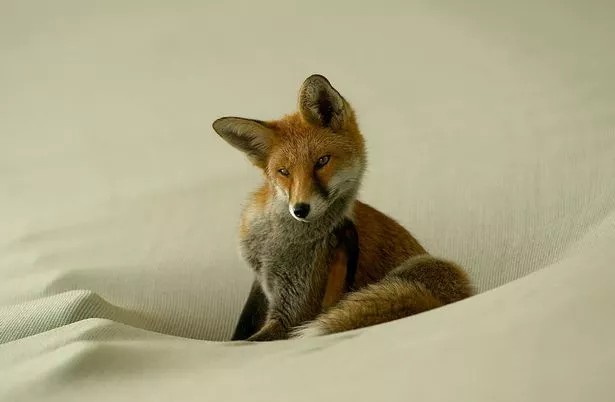 >
>
It’s worth noting that the dermatologist in the story hadn’t seen a case of fox scabies in 30 years. This suggests that either such cases are rare or they are misdiagnosed. The rise of overall scabies cases could overshadow rarer forms of the disease, complicating accurate diagnosis.
The Daily Star report mentions that scabies spreads through prolonged skin contact and is frequently mistaken for other skin conditions. This diagnostic ambiguity, paired with increased prevalence, poses a problem. Are healthcare systems adequately equipped to identify and treat this resurgence? Delayed or incorrect diagnoses could exacerbate the spread of infection.
Beyond the immediate health concerns, the story provokes questions about animal behavior. What compels a fox to wander into a home and settle in to watch Netflix? Is it simply a search for warmth and shelter? Or does it suggest a level of habituation to human environments that is concerning? Increased habituation can lead to a loss of natural fear. This, in turn, leads to bolder interactions with humans, often to the detriment of both species. >
>
Consider the rise of “urban wildlife” in general. We see foxes, raccoons, coyotes, even deer, making their homes in cities. Human food sources become readily available. Animals adapt to urban sounds and lights. The consequences are complex. They range from property damage to increased risk of traffic accidents, but also the potential spread of zoonotic diseases – those that jump from animals to humans.
This particular incident involves scabies, but it could just as easily have involved rabies, Lyme disease, or any number of other illnesses. The story serves as a potent reminder of our shared environment. It highlights the need for proactive public health measures.
For example, public awareness campaigns could educate people about the risks of interacting with wildlife. These should emphasize the importance of proper waste disposal. Secure trash cans can deter animals from seeking food in residential areas. These could also offer guidance on what to do if they encounter a wild animal indoors.
Furthermore, investment in wildlife monitoring programs is essential. Tracking animal populations and their health can provide early warnings of potential disease outbreaks. It allows for targeted interventions to prevent the spread of zoonotic diseases to humans.
Of course, managing wildlife in urban environments is never easy. There are often conflicting opinions. Some people view these animals as a nuisance or a threat. Others see them as a valuable part of the urban ecosystem. Striking a balance between human safety and wildlife conservation will necessitate a thoughtful and collaborative approach.
The “Netflix and scabies” anecdote might appear funny on the surface. Actually, it highlights a looming public health challenge. Human encroachment on natural habitats is creating new opportunities for disease transmission. As animals adapt to urban living, it will likely require innovative and proactive strategies to mitigate the risks. Ignoring the issue won’t make it disappear. Rather, it sets the stage for future public health crises. We must develop responsible co-existence strategies.

![[post_title]](https://samony.com.ng/wp-content/uploads/2025/12/Hotos-slick-rechargeable-tools-are-still-over-60-percent-off-300x156.png?lm=692E54F2 "Hoto’s slick, rechargeable tools are still over 60 percent off for Cyber Monday")
![[post_title]](https://samony.com.ng/wp-content/uploads/2025/12/Non-oil-sector-drives-Nigerias-economic-expansion-by-398-300x171.jpeg?lm=692E560C "Nigeria’s GDP: The Headline Sounds Great, But What’s Really Going On?")

![[post_title]](https://samony.com.ng/wp-content/uploads/2025/12/We-dont-know-these-DTigers-says-coach-Odah-300x190.jpg?lm=692E4D91 "D’Tigers’ Qualifying Woes: Nigerian Basketball’s Systemic Faults")
![[post_title]](https://samony.com.ng/wp-content/uploads/2025/12/1764641218_NASCAR-US-news-Denny-Hamlin-takes-the-stand-in-high-stakes-300x200.png?lm=692E49C5 "NASCAR US news: Denny Hamlin takes the stand in high-stakes NASCAR antitrust trial")
![[post_title]](https://samony.com.ng/wp-content/uploads/2025/12/Tuface-Management-Cries-Out-Over-Artistes-Dwindling-Fortunes-After-Marriage-300x229.jpg?lm=692E4B0B "Tuface Management Cries Out Over Artiste’s Dwindling Fortunes After Marriage To Natasha")

![[post_title]](https://samony.com.ng/wp-content/uploads/2025/12/1764643949_5-Small-Towns-With-the-Best-Christmas-Spirit-That-Make-1024x726.jpg?lm=692E5471 "5 Small Towns With the Best Christmas Spirit That Make Retirement More Cheerful")
![[post_title]](https://samony.com.ng/wp-content/uploads/2025/12/Hotos-slick-rechargeable-tools-are-still-over-60-percent-off-1024x532.png?lm=692E54F2 "Hoto’s slick, rechargeable tools are still over 60 percent off for Cyber Monday")
![[post_title]](https://samony.com.ng/wp-content/uploads/2025/12/Non-oil-sector-drives-Nigerias-economic-expansion-by-398.jpeg?lm=692E560A "Nigeria’s GDP: The Headline Sounds Great, But What’s Really Going On?")
