

![[post_title]](https://samony.com.ng/wp-content/uploads/2025/12/The-Christmas-vegetable-you-can-eat-raw-for-a-health.jpeg?lm=69457E96)
Incorporating raw vegetables into daily diets can offer significant health advantages, often surpassing the benefits derived from their cooked counterparts. Nutritional experts highlight that cooking processes, particularly high heat, can deplete essential heat-sensitive nutrients like vitamin C and diminish beneficial enzymes naturally present in fresh produce. This approach to consumption aligns with broader health recommendations to increase daily fruit and vegetable intake, providing a potent nutritional boost.
Functional nutritionist Pauline Cox, author of “Hungry Woman,” emphasizes that vital nutrients and enzymes are vulnerable to heat. Similarly, Maz Packham, a nutritional therapist, stresses the importance of proper preparation, advising thorough washing of all vegetables before consumption, irrespective of whether they are eaten raw or cooked, to mitigate pesticide residues and harmful bacteria. This simple step ensures maximum safety and enjoyment of raw produce.
Among the vegetables that lend themselves well to raw consumption is the sweet potato. While traditionally associated with roasting or mashing, grating sweet potato flesh transforms it into a palatable addition to salads and slaws, delivering a rich source of beta-carotene, vitamin C, and fibre. Kale, another nutritional powerhouse, is often cooked to aid digestion, but massaging raw kale with olive oil can achieve similar digestive benefits while preserving its vitamin C content and enhancing the absorption of fat-soluble vitamins like vitamin K.
Sugar snap peas offer a convenient and nutritious raw snack, packed with vitamins C and K, as well as folate. Vitamin C is crucial for collagen production, iron absorption, and immune system function, while folate and vitamin K are abundant in green vegetables, supporting overall health. These peas also contribute significant fibre, promoting beneficial gut bacteria and digestive wellness. Celeriac, rich in vitamin K, is celebrated for its potential bone-health-boosting properties. Preparing it raw by grating, slicing into ribbons, or chopping allows its delicate flavour and nutrient density to enhance any salad.
Cauliflower, a versatile cruciferous vegetable, is another excellent source of vitamins C and K, alongside dietary fibre, making it an ideal raw dipper for guacamole or hummus. However, experts caution individuals with digestive issues, particularly irritable bowel syndrome (IBS), regarding cruciferous vegetables. Registered consultant nutritionist Rob Hobson explains that these vegetables contain raffinose, an indigestible fibre that can cause excess gas when broken down by gut bacteria, potentially exacerbating IBS symptoms.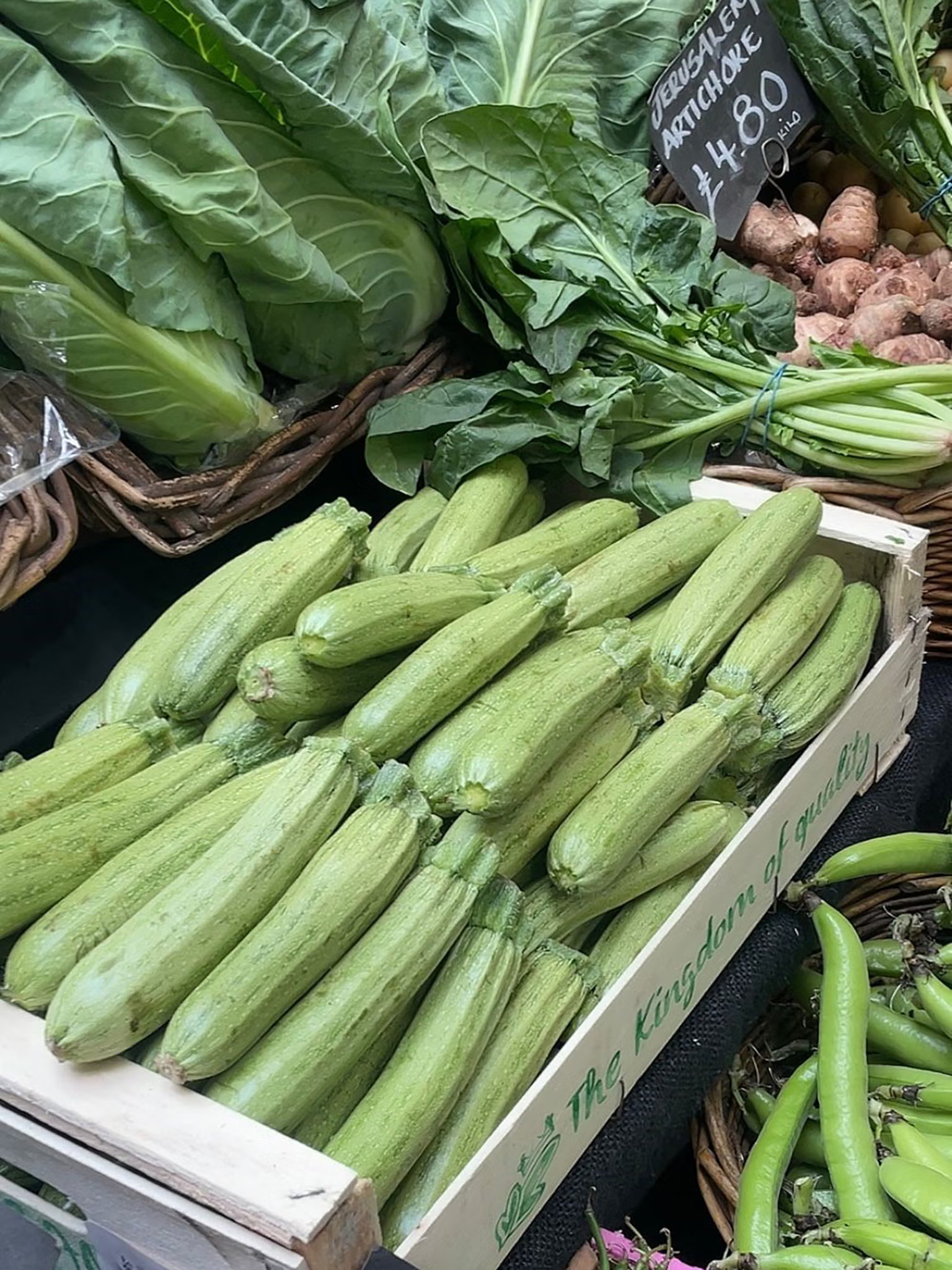
Baby corn, harvested before full maturity, is soft enough for whole consumption and provides a nutritional punch disproportionate to its size. It delivers vitamins A and C, folate, and potassium. Its high fibre content aids gut health and satiety, making it an excellent snack or salad addition. Courgettes, rich in vitamin C and B6, which are also heat-sensitive, possess a semi-firm texture that makes them adaptable for raw dishes, serving as a refreshing alternative to cucumber in salads or a crunchy dipper.
Finally, the humble Brussels sprout, often a festive dinner staple, can be surprisingly delicious when eaten raw. Thinly sliced and dressed with avocado or olive oil, nuts, and perhaps some grilled goat’s cheese, it transforms into a vibrant salad component, offering a rich source of vitamins C and K. Like cauliflower, Brussels sprouts are cruciferous, meaning the same digestive cautions apply. Hobson also notes that their compounds, glucosinolates, can interfere with iodine absorption, potentially impacting thyroid function, a consideration for those with an underactive thyroid.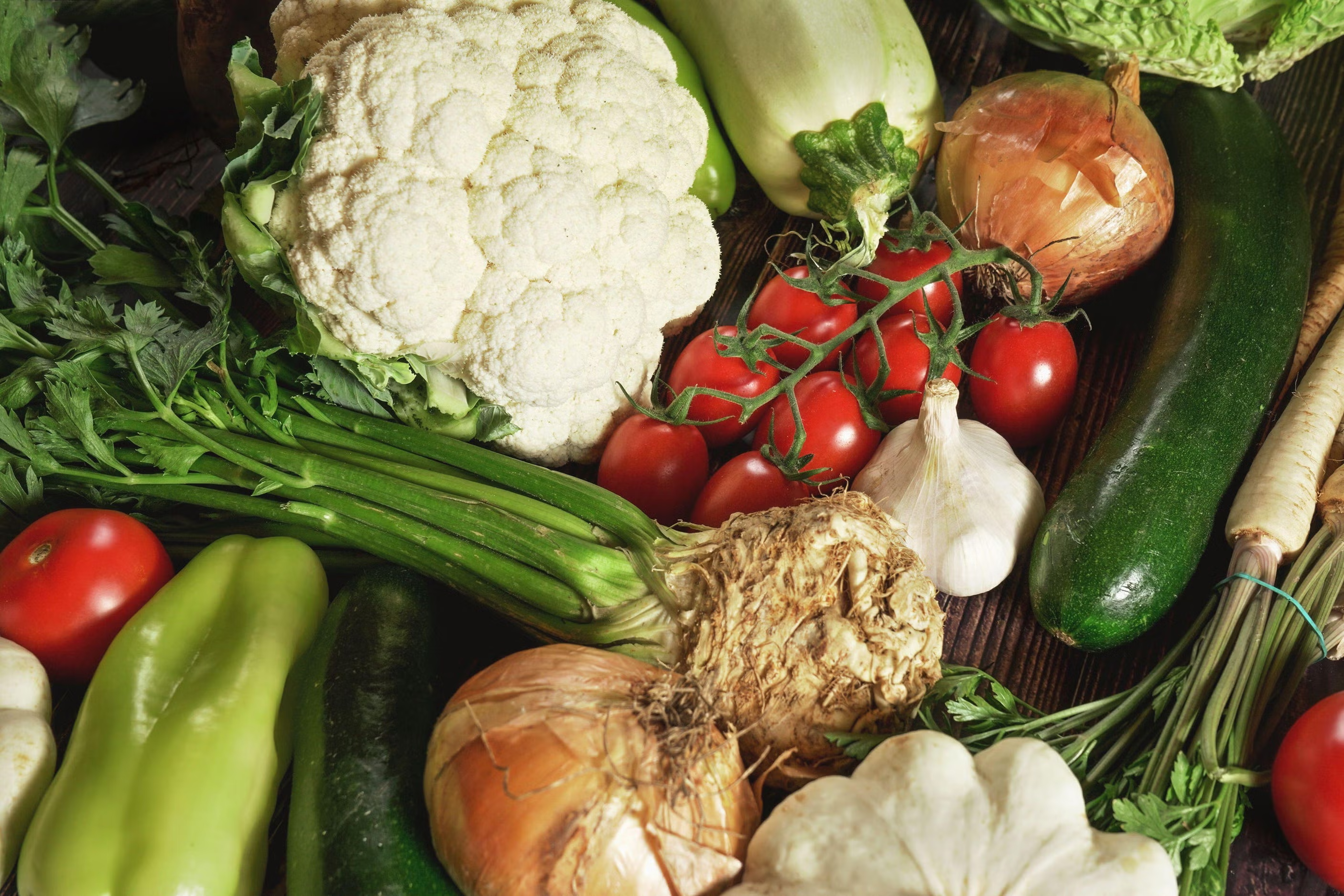
Embracing raw vegetables offers a pathway to enhanced nutrient intake and diverse culinary experiences. While cooking remains a valid method for preparing many foods, understanding the specific benefits of raw consumption for certain vegetables can significantly elevate dietary health. Proper washing and mindful preparation, alongside an awareness of individual digestive sensitivities, ensure that these uncooked delights contribute positively to a balanced and vibrant diet.

![[post_title]](https://samony.com.ng/wp-content/uploads/2025/12/1766160689_Can-you-tell-a-Christmas-number-one-from-a-number-300x158.jpg?lm=69457934 "Christmas Chart Legacy: Unpacking Festive Number Ones and Enduring Hits")

![[post_title]](https://samony.com.ng/wp-content/uploads/2025/12/1766159559_Canada-changes-chemical-regulations-to-curb-illegal-fentanyl-other-drugs-300x158.jpg?lm=694574C9 "Canada Bolsters Drug Laws to Disrupt Fentanyl, Methamphetamine Production")
![[post_title]](https://samony.com.ng/wp-content/uploads/2025/12/1766154658_Taylor-Swift-reveals-who-set-her-up-with-Travis-Kelce.jpeg?lm=694561A2 "Taylor Swift Reveals Mother Andrea Orchestrated Kelce Romance")

![[post_title]](https://samony.com.ng/wp-content/uploads/2025/12/Honda-wouldnt-even-be-in-top-10-without-MotoGP-engine-300x200.jpg?lm=6945624C "Honda’s 2025 Engine Upgrades Key to MotoGP Competitiveness, Says Espargaro")


![[post_title]](https://samony.com.ng/wp-content/uploads/2025/12/1766160689_Can-you-tell-a-Christmas-number-one-from-a-number-1024x538.jpg?lm=69457934 "Christmas Chart Legacy: Unpacking Festive Number Ones and Enduring Hits")
