

Analyzing the Shifting Sands of the Ukraine-Russia War: A Critical Look at Industry Developments
The Ukraine-Russia conflict grinds on, and a few things are coming into sharper focus. Beyond the daily reports of attacks and counter-attacks, some broader trends and potential turning points deserve a closer examination. Recent developments suggest a complex interplay of military strategy, diplomatic maneuvering, and shifting geopolitical alignments.
One striking development is the intensified Russian assault on Ukrainian energy infrastructure. Zelensky himself dismissed one recent drone attack as “meaningless from a military point of view.” Yet, the repeated targeting of power stations and railway hubs tells a different story. Russia appears to be trying to cripple Ukraine’s ability to function, weaponizing winter in a tactic that, frankly, isn’t new. We’ve seen this kind of strategy before in other conflicts, aimed at breaking civilian morale and disrupting supply lines. Whether it will achieve the desired effect remains to be seen; Ukrainians have shown remarkable resilience.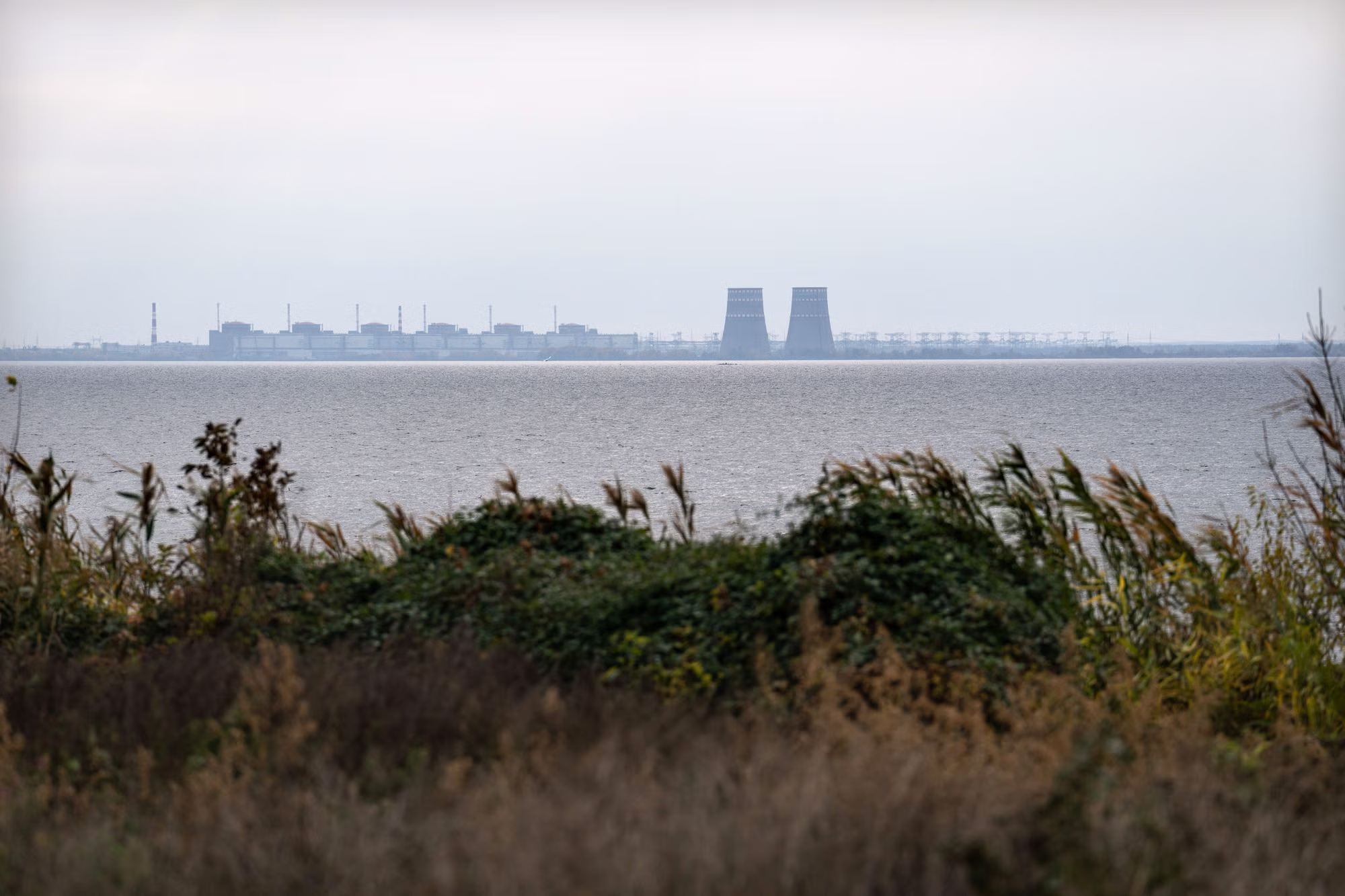 >
>
Ukraine, for its part, is not standing still. The confirmation of strikes on Russia’s Ryazan oil refinery highlights a calculated effort to hit Moscow where it hurts – oil revenues. This strategy, deploying long-range drones, could prove significant. Will it genuinely diminish Russia’s capacity to wage war? That’s the multi-million dollar question. It’s a high-stakes game, and any miscalculation could lead to escalation.
Then there’s the diplomatic front. Keir Starmer’s meeting with Zelensky, Macron, and Merz suggests a renewed European push for a peaceful resolution. It’s promising to see leaders engaging directly, but the devil is always in the details. The report of ongoing US-Ukrainian talks, spearheaded by the Trump administration, indicates parallel efforts. However, Putin’s reported rejection of key aspects of the proposed peace plan – particularly regarding Ukraine’s territorial integrity – casts a long shadow. Can these differences be bridged? The odds feel slim.
It’s worth noting the proposal for a European “reassurance force” to be deployed to Ukraine after a ceasefire. While intended to deter future Russian aggression, this idea is almost certain to provoke further ire from the Kremlin. Whether it’s a genuine security guarantee or merely a symbolic gesture remains to be observed. Either way, managing the optics will be crucial to prevent further escalation.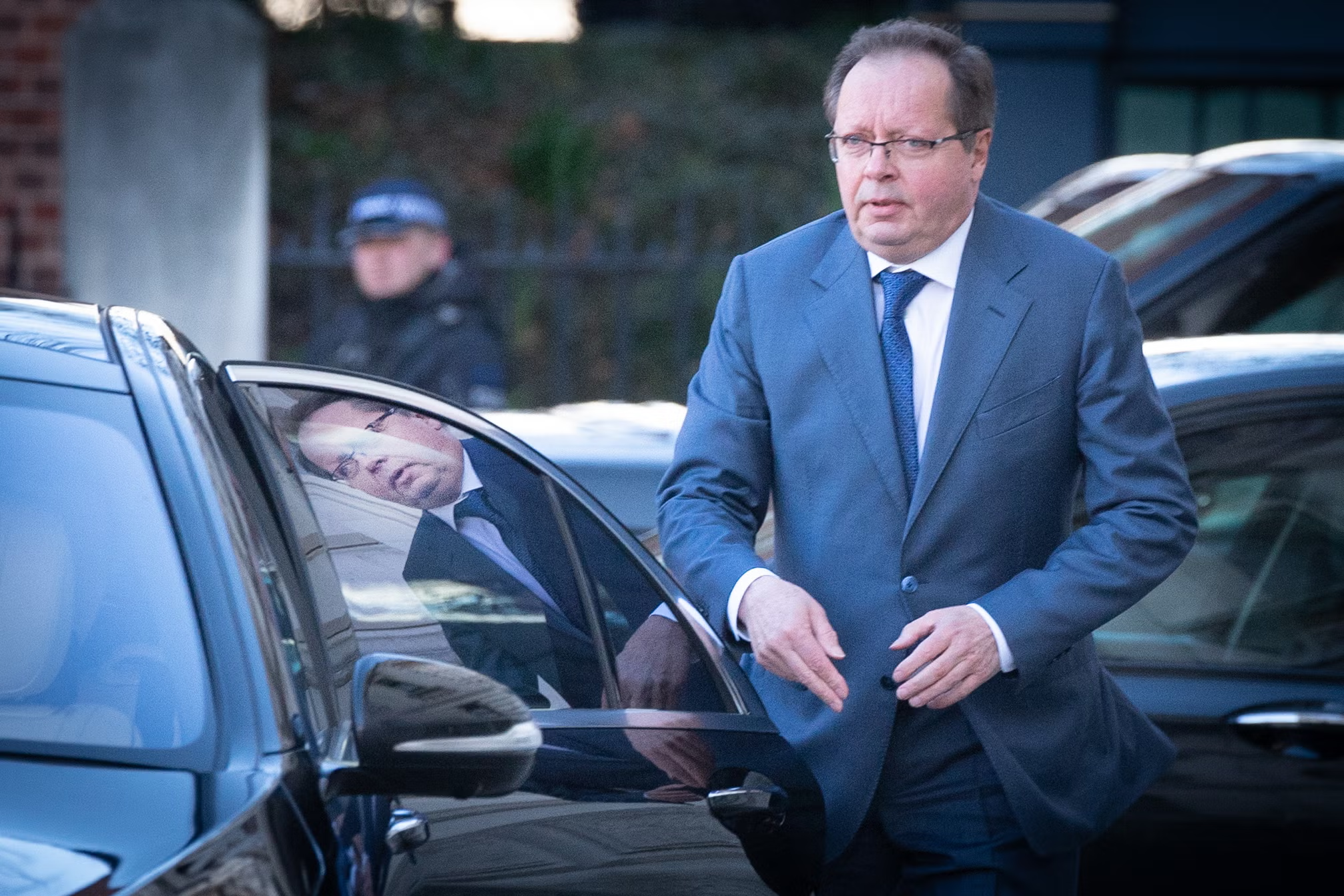 >
>
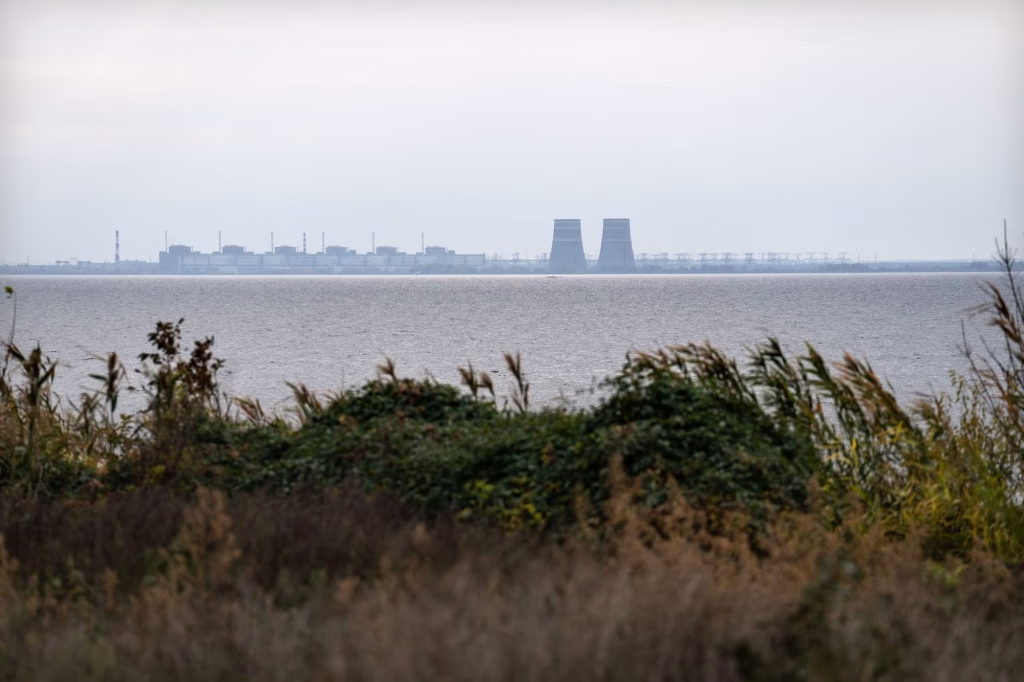
The situation at the Zaporizhzhia nuclear power plant also demands close attention. The temporary loss of all off-site power is alarming, a stark reminder of the potential for catastrophe in this conflict. The IAEA’s monitoring is vital, but ultimately, preventing a nuclear incident hinges on de-escalation and adherence to safety protocols.
Adding another layer of complexity, consider the recent meeting between Putin and Modi, and the agreement to deepen economic ties. India’s continued relationship with Russia, offering “uninterrupted fuel,” risks reigniting tensions with the US. This underscores the shifting geopolitical landscape. Countries are carefully weighing their interests and allegiances, and the conflict in Ukraine is accelerating this process.
And then there’s the bizarre claim by the Russian ambassador to the UK that the Salisbury poisonings were staged. Such outlandish statements, regardless of their basis in reality, further erode trust and make diplomatic progress even more difficult. The lingering shadow of past events continues to poison present relations.
Navigating this turbulent environment requires a balanced perspective. It means acknowledging the legitimate security concerns of all parties involved. The constant barrage of information and disinformation makes it challenging to discern the truth. A healthy dose of skepticism is crucial.
What’s next? Expect continued military activity, with both sides seeking to gain an advantage. Diplomatic efforts will likely persist, but breakthroughs will be elusive. The role of external actors, such as the US and EU, will remain critical in shaping the trajectory of the conflict. Ultimately, the path to peace will require compromise, difficult concessions, and a willingness to engage in genuine dialogue. But right now, those prerequisites seem a long way off. The Russia-Ukraine war will require innovative solutions and a very determined peace effort.

![[post_title]](https://samony.com.ng/wp-content/uploads/2025/12/1765027162_Thousands-of-wireless-earbuds-recalled-by-Health-Canada-due-to-300x169.jpg?lm=69342D5E "Earbud Recalls: A Quality Control Crisis Unfolding in Real Time")
![[post_title]](https://samony.com.ng/wp-content/uploads/2025/12/Teacher-Allegedly-Caught-Subtly-Thrusting-with-Girl-on-Lap-Brother-300x200.jpg?lm=69341A06 "Educator Brothers Arrested: School Safety Under Scrutiny")
![[post_title]](https://samony.com.ng/wp-content/uploads/2025/12/1765022297_UK-based-lady-loses-job-after-complimenting-colleague-shares-what-happened-300x150.jpg?lm=69341A5C "Did This Woman Get Fired Over a Compliment? The Workplace Culture Clash You Need to See")

![[post_title]](https://samony.com.ng/wp-content/uploads/2025/12/Tinubus-Tax-Reforms-Committee-Selects-Top-20-Nigerian-Content-Creators.png?lm=69341329 "Nigeria’s Taxman Wants to Train Creators: Smart Move, or Red Flag?")

![[post_title]](https://samony.com.ng/wp-content/uploads/2025/12/1765027752_Holly-Hagan-shares-harrowing-details-of-sister-Darcis-final-hospital-1024x538.jpg?lm=69342FA9 "Unseen Risks: Navigating Accidental Overdoses with Clarity and Compassion")
![[post_title]](https://samony.com.ng/wp-content/uploads/2025/12/1765027162_Thousands-of-wireless-earbuds-recalled-by-Health-Canada-due-to-1024x576.jpg?lm=69342D5F "Earbud Recalls: A Quality Control Crisis Unfolding in Real Time")
![[post_title]](https://samony.com.ng/wp-content/uploads/2025/12/Teacher-Allegedly-Caught-Subtly-Thrusting-with-Girl-on-Lap-Brother-1024x683.jpg?lm=69341A06 "Educator Brothers Arrested: School Safety Under Scrutiny")
