


Ukraine faces a profound and largely unacknowledged tragedy amidst the ongoing conflict: a significant number of military suicides. While the nation collectively mourns tens of thousands of combat casualties, a quieter crisis unfolds, leaving hundreds of families grappling with immense grief, societal stigma, and a profound lack of official recognition. These deaths, often classified as non-combat losses, deny bereaved families the compensation, military honours, and public acknowledgement afforded to those killed in action, creating a painful divide in how soldiers’ sacrifices are remembered.
Kateryna, whose son Orest died in Ukraine’s eastern Donetsk region in 2023, exemplifies this anguish. Official military investigations attributed his death to a “self-inflicted wound,” a conclusion Kateryna vehemently disputes. Orest, a quiet 25-year-old with academic aspirations, was initially deemed unfit for service due to poor eyesight but was later conscripted after a street patrol re-evaluated him. Sent to the front near Chasiv Yar as a communications specialist, he became increasingly withdrawn, leaving his mother to mourn a death she believes is misclassified and stigmatized, receiving no state support.
A similar ordeal plagues Mariyana from Kyiv, whose husband Anatoliy volunteered for service in 2022 despite initial refusals. Deployed as a machine-gunner near Bakhmut, one of the war’s most brutal fronts, Anatoliy witnessed horrific losses, returning “different; quiet; distant.” After sustaining an arm injury and being hospitalized, he took his own life in the hospital yard. Mariyana recounts his struggle, stating “the war broke him,” but his death by suicide led to the denial of a military burial and left her feeling abandoned by the state, further isolated by the stigma from other widows.
Viktoria, from Lviv, also battles for recognition after her husband Andriy’s death in June 2023. Andriy, who had a congenital heart condition but insisted on joining the army, served as a driver in a reconnaissance unit, enduring intense battles, including the liberation of Kherson. Viktoria received a call informing her of his suicide, and ten days later, his body arrived, unseen by her. An attorney later uncovered inconsistencies in the initial investigation, prompting the Ukrainian military to reopen the case, acknowledging previous failures. Viktoria now fights to clear his name, declaring, “My war isn’t over.”
The scale of this issue is quietly growing, with organisations like Oksana Borkun’s support community for military widows now assisting approximately 200 families bereaved by suicide. Borkun highlights the deep-seated societal stigma, noting that soldiers who die by suicide are often not considered heroes, leading to churches refusing funerals and towns declining to display their photos on memorial walls. Many families also express profound doubts regarding official explanations of death, suspecting cases are too quickly dismissed as suicide, with some even reporting unexplained bruises on their loved ones’ bodies.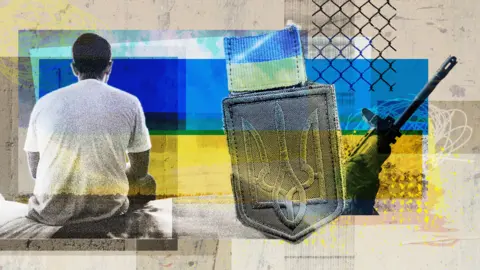
Military chaplain Father Borys Kutovyi confirms the presence of this crisis, having witnessed at least three suicides within his command since the full-scale invasion began, emphasizing that even one is too many. He suggests that many newly recruited soldiers, unlike career servicemen, are particularly vulnerable psychologically after experiencing the horrors of war. Olha Reshetylova, Ukraine’s Commissioner for Veterans’ Rights, acknowledges the severity of the situation, reporting up to four military suicides monthly and admitting that current support systems are inadequate.
Commissioner Reshetylova stresses that these soldiers “have seen hell,” and even the strongest minds can break under such pressure. Her office actively advocates for systemic reforms, including the establishment of robust military psychology units, a process she concedes could take years to fully implement. She also underscores the families’ fundamental “right to the truth,” suggesting that in some instances, suicide classifications might inadvertently obscure other causes of death, including potential murders, due to inadequate investigations.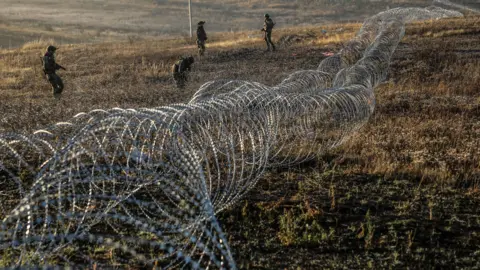
The broader societal challenge remains the acceptance and honouring of these veterans, regardless of the circumstances of their deaths. Reshetylova argues that a warmer welcome and comprehensive support for returning soldiers are crucial in preventing future tragedies. She advocates for a future where these individuals, who were “your neighbours, your colleagues,” and who “walked through hell,” receive the full recognition and care they deserve, irrespective of how their lives ended, ensuring their sacrifices are not forgotten or diminished by stigma.

![[post_title]](https://samony.com.ng/wp-content/uploads/2025/12/1766141188_Time-to-Prepare-for-Disasters-Like-They-Could-Happen-to-300x169.jpg?lm=69452D07 "US Natural Disasters Intensify, Urging Widespread Preparedness")

![[post_title]](https://samony.com.ng/wp-content/uploads/2025/12/1766138506_French-police-raid-culture-ministers-home-as-part-of-corruption.jpg?lm=6945228A "French Culture Minister Rachida Dati Raided in Corruption Probe")
![[post_title]](https://samony.com.ng/wp-content/uploads/2025/12/1766138574_BBC-presenter-dubs-Tommy-Fury-influencer-like-Jake-Paul-instead-300x158.jpg?lm=694522CF "Amol Rajan Labels Tommy Fury “Influencer” Amid Crossover Boxing Boom")
![[post_title]](https://samony.com.ng/wp-content/uploads/2025/12/Reps-Raises-Campaign-Spending-Limits-For-2027-Elections-Presidential-Candidates.jpg?lm=69451FAD "Nigerian Lawmakers Raise 2027 Election Spending Limits to ₦10 Billion")
![[post_title]](https://samony.com.ng/wp-content/uploads/2025/12/1766137230_Grifin-Review-Invest-Where-You-Shop-300x157.jpg?lm=69451D8F "Grifin: How Daily Purchases Drive Automated Stock Investments")

![[post_title]](https://samony.com.ng/wp-content/uploads/2025/12/If-Your-Husbands-Come-Home-Late-Or-Refuse-To-Eat.webp.webp "Ghana Police: Denying Spouse Sex, Food, Late Returns Can Be Abuse")
![[post_title]](https://samony.com.ng/wp-content/uploads/2025/12/1766141038_SharpSpring-CRM-review-TechRadar-1024x585.png?lm=69452C71 "SharpSpring CRM Review: Integrated Marketing Automation for SMBs")
![[post_title]](https://samony.com.ng/wp-content/uploads/2025/12/1766141188_Time-to-Prepare-for-Disasters-Like-They-Could-Happen-to-1024x576.jpg?lm=69452D07 "US Natural Disasters Intensify, Urging Widespread Preparedness")

