

![[post_title]](https://samony.com.ng/wp-content/uploads/2025/11/1764312785_Ukraine-Russia-war-latest-Kyiv-insists-Zelensky-will-never-cede-territory-1024x683.jpg?lm=692946D5)
Analyzing the Shifting Sands of the Ukraine-Russia Conflict: A Critical Perspective
The situation in Ukraine remains incredibly complex, even as narratives attempt to paint a simpler picture. Recent headlines paint a scene of shifting strategies and potential, albeit fragile, avenues for negotiation, demanding careful thought about what’s really unfolding.
Zelensky’s unwavering stance on territorial integrity, as declared by Andriy Yermak, is a key factor. Ukraine digs in and refuses to cede land to Russia, which presents an obstacle to any quick resolution. Yet, pronouncements of steadfastness are common in wartime. Observing actual battlefield developments and political maneuvering gives a more realistic grasp.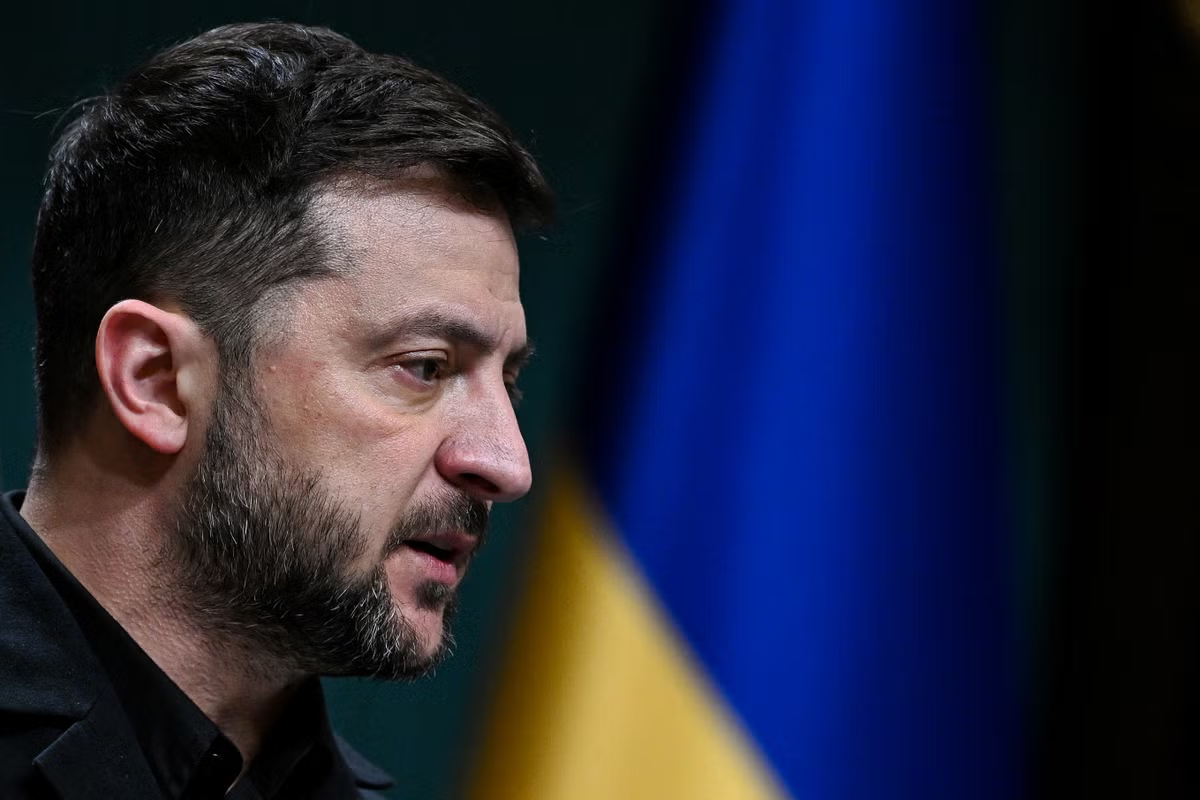 >
>
Putin’s willingness to consider Trump’s proposed peace deal as a “starting point” offers a flicker of potential dialogue. Of course, “starting point” leaves a lot open to interpretation. What concessions would Russia actually make? The devil, as always, is in the details. Putin’s concurrent demand for Ukrainian forces to withdraw hints at continued maximalist goals. Can we trust this potential “starting point?” It’s a familiar pattern of signaling openness while simultaneously escalating pressure.
A particularly troubling development is the alleged use of Russian drones targeting civilians, turning cities like Kherson into what’s described as a “human safari.” Such reports, if verified, highlight the devastating human cost of the war and the ethical quandaries of modern warfare. One should independently verify these reports from different sources before drawing a hasty conclusion. Unfortunately, verifying details in a war zone is very difficult.
Hungary’s Orban plans to meet with Putin, ostensibly to discuss energy supplies and peace efforts. Given Orban’s history, the meeting raises questions about EU unity and potential cracks in the international front pressuring Russia. Is he truly mediating, or advancing specific national interests that could undermine broader strategies?>
The Kremlin’s claim of downing a large number of Ukrainian drones overnight points to the ongoing aerial warfare, indicating both sides ramp up military operations. Assessing the accuracy of these claims is crucial, understanding that war reporting is often skewed by propaganda on both sides. Numbers alone rarely give the complete picture.
Putin denying plans to attack Europe shouldn’t be taken at face value. While a full-scale invasion seems improbable, probing weaknesses and exploiting divisions within Europe is a strategy Russia has demonstrably pursued. Actions speak louder than words, and we must look at Russian activities in the cyber domain, disinformation campaigns, and support for extremist groups across Europe.
Suggestions that Europe should move away from America and stand up to Russia echo a growing sentiment, particularly in light of shifting US foreign policy. A unified European front, capable of acting decisively, could be a powerful deterrent. The practical challenges of achieving such unity, given diverse national interests and security concerns, are immense.
Looking at Putin’s propaganda calendar, it seems surreal amidst all this. Such displays, while easily dismissed, underscore the importance of shaping perceptions. Controlling the narrative remains a critical tool in modern conflict.
Yermak’s defiant message that Zelensky will not cede territory is important, but it’s a political statement of intent, not necessarily a reflection of battlefield realities. The conflict’s trajectory will ultimately depend on military capabilities, international support, and the willingness of both sides to compromise—something that appears elusive at the moment.
Having seen similar conflicts unfold over the years, I’ve learned to be wary of simple pronouncements and optimistic headlines. The situation on the ground is fluid, and the motivations of the actors are multifaceted. True progress requires a dispassionate assessment of facts, a healthy dose of skepticism, and a willingness to confront the uncomfortable truths that often lie beneath the surface.

![[post_title]](https://samony.com.ng/wp-content/uploads/2025/12/1764926114_Im-A-Celeb-reveals-major-rule-change-for-campmates-just-300x158.jpg?lm=6932A2A6 "“I’m a Celebrity” Ditches Camp Leader: Strategy Behind the Late-Season Rule Change")
![[post_title]](https://samony.com.ng/wp-content/uploads/2025/12/1764925923_SFH-to-facilitate-enrollment-of-19m-people-living-with-HIV-300x200.jpg?lm=6932A1E7 "Nigeria’s HIV Fight: Can Health Insurance Fill the Funding Gap?")
![[post_title]](https://samony.com.ng/wp-content/uploads/2025/12/1764925934_New-Zealand-police-recover-swallowed-Faberge-pendant-from-alleged-thief-300x200.jpg?lm=6932A1F2 "Swallowed Treasure: Luxury, Theft, and a Bond Connection")
![[post_title]](https://samony.com.ng/wp-content/uploads/2025/12/Netflix-wins-the-bidding-war-for-Warner-Bros-300x156.jpg?lm=69329EE1 "Netflix and Warner Bros. Discovery: A Veteran’s View on a Risky Media Marriage")
![[post_title]](https://samony.com.ng/wp-content/uploads/2025/12/Every-word-from-Artetas-post-Brentford-presser-Press-conference-300x169.jpg?lm=69328CA0 "Arsenal’s Win Came at a Cost: Arteta on Injuries, Merino’s Magic, and White’s Return")

![[post_title]](https://samony.com.ng/wp-content/uploads/2025/12/Websites-back-online-as-Cloudflare-issues-fix-for-dashboard-issue-1024x576.jpeg?lm=6932A8F6 "Internet Infrastructure: Centralization’s Cracks")
![[post_title]](https://samony.com.ng/wp-content/uploads/2025/12/Man-tests-gas-explosion-myth-with-two-phones-on-leaking-1024x512.jpg?lm=6932A959 "Gas Explosion Myths: Context Blindness and the Erosion of Common Sense")
![[post_title]](https://samony.com.ng/wp-content/uploads/2025/12/1764926114_Im-A-Celeb-reveals-major-rule-change-for-campmates-just-1024x538.jpg?lm=6932A2A6 "“I’m a Celebrity” Ditches Camp Leader: Strategy Behind the Late-Season Rule Change")

