

Analyzing the Shifting Sands of the Ukraine-Russia Conflict: A 2025 Perspective
The ongoing conflict between Ukraine and Russia continues to be a focal point of global concern, and recent developments suggest a complex and evolving landscape. A look at the headlines reveals a flurry of diplomatic activity, shifting alliances, and persistent tensions. What does it all mean?
Macron’s appeal to Xi Jinping highlights a crucial dynamic: the EU’s attempt to leverage China’s influence. The French president is urging China to step up efforts towards a peaceful resolution, focusing on geopolitical stability and economic rebalancing. It’s worth noting the emphasis on environmental sustainability, perhaps a sign of a broader strategy to engage China on multiple fronts. Whether Xi will truly exert pressure on Putin remains to be seen. China’s own strategic interests will dictate their actions.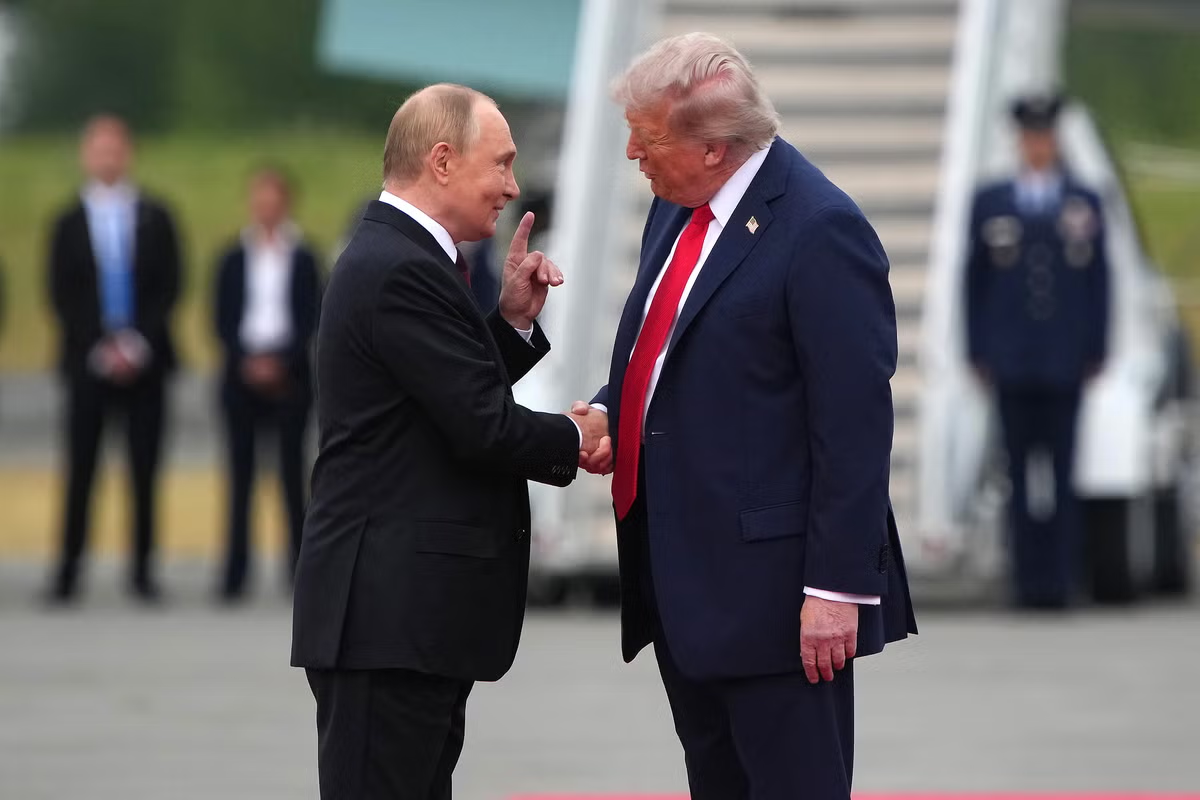 >
>
Turkey, meanwhile, is trying to safeguard energy infrastructure. This underlines a critical vulnerability: the potential for the conflict to disrupt energy supplies. Their plea to Russia and Ukraine to keep energy out of the war reflects a desire to maintain stability, particularly given Turkey’s role as a key energy transit hub. We’ve seen similar calls for restraint in past conflicts, with varying degrees of success. The interconnectedness of global energy markets makes this a priority for many nations.
Statements from figures like Keir Starmer paint a picture of stalled peace negotiations. The Labour leader accuses Putin of “dragging his feet,” suggesting a lack of genuine interest in reaching a settlement. Such pronouncements aren’t shocking; they underscore the deep distrust and political obstacles hindering any potential breakthrough. It’s a familiar narrative: one side blaming the other for the impasse.
Putin’s visit to India adds another layer of complexity. India’s continued purchase of discounted Russian oil, despite pressure from the US, illustrates the intricate balancing act many countries are performing. India prioritizes its own economic interests, and cheap Russian energy certainly serves that purpose. This complicates the West’s efforts to isolate Russia economically. Russia, for its part, sees India as a crucial economic and diplomatic partner. This relationship is a long-term game, and its implications are huge.>
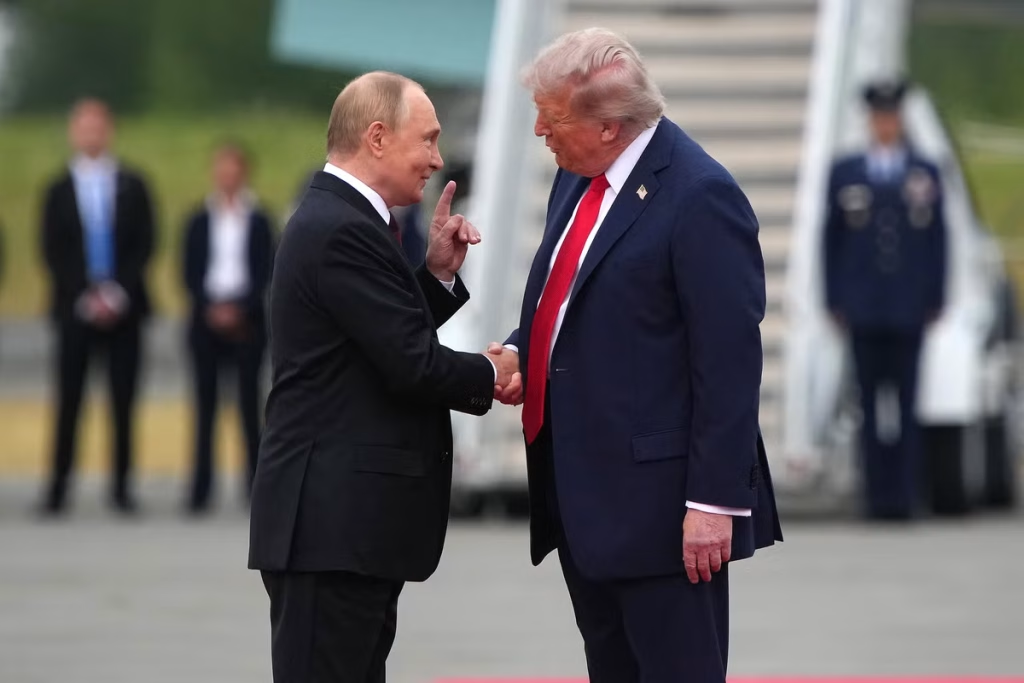
The failed attempts by Trump’s envoys to broker a peace deal are especially telling. Even after extensive talks, the Kremlin offered only vague pronouncements of “constructive” discussions, signaling that the gap between the two sides remains wide. Trump’s desperation to score a diplomatic win is palpable, but it’s unlikely to yield results without a fundamental shift in the positions of both Russia and Ukraine.
King Charles’s statement about British and German unity against Russian aggression emphasizes the commitment of key European powers to support Ukraine. This display of solidarity aims to deter further Russian advances and reassure allies. Still, unity can be fragile, and maintaining a united front requires constant effort and compromise.
The incident involving a destroyed maritime drone in the Black Sea adds a dangerous dimension to the conflict. While Ukraine denies involvement, the incident highlights the escalating use of unmanned systems and the potential for miscalculation. The Black Sea is becoming an increasingly volatile area, and the risk of unintended escalation is significant.
NATO’s response to Putin’s threats reinforces the alliance’s determination to defend its members. This is a crucial signal, given Putin’s rhetoric about potential conflict with NATO. Yet, deterrence only works if it’s credible, and that requires a continuous investment in military capabilities and a willingness to act decisively.
Zelensky’s comments on peace talks suggest a cautious optimism. He emphasizes the importance of Ukraine’s interests being taken into account and expresses hope for a “dignified peace.” This reflects a desire for a settlement that respects Ukraine’s sovereignty and territorial integrity. But, defining “dignified peace” remains a major sticking point.
The UN resolution demanding the return of abducted Ukrainian children shines a light on a deeply troubling aspect of the conflict. The US backing of this resolution underscores the international condemnation of Russia’s actions. Still, resolutions alone won’t bring these children home. Concrete actions and sustained pressure are needed.
Key Themes and Potential Implications:
Diplomatic Stalemate: Despite ongoing efforts, a clear path to a negotiated settlement remains elusive. Both sides seem entrenched in their positions, and finding common ground will require significant concessions. Economic Realities: The global economy continues to be affected by the conflict, particularly in the energy sector. Countries are navigating complex trade-offs between political pressure and their own economic interests. Escalation Risks: The use of drones and the potential for incidents in the Black Sea raise the risk of unintended escalation. Maintaining communication channels and exercising restraint are crucial to prevent the conflict from spiraling out of control. Geopolitical Alignments: The conflict is reshaping global alliances, with countries like China and India playing increasingly significant roles. The dynamics between these powers and the West will have lasting implications for the international order. Humanitarian Crisis: The abduction of Ukrainian children highlights the devastating human cost of the conflict. Addressing this issue and providing humanitarian assistance to those affected must remain a top priority.
From my perspective, having observed similar geopolitical patterns unfold over the years, the situation demands a pragmatic approach. Wishful thinking won’t solve anything. Success necessitates keeping lines of communication open, pursuing realistic goals, and acknowledging the entrenched interests at play. The path ahead is uncertain, but a clear-eyed understanding of the dynamics is essential for navigating this complex landscape.

![[post_title]](https://samony.com.ng/wp-content/uploads/2025/12/Googles-Antigravity-AI-deleted-a-developers-drive-and-then-apologized.webp-300x169.webp "Google’s Antigravity AI Wipes Developer’s Drive, Sparking Autonomy Concerns")
![[post_title]](https://samony.com.ng/wp-content/uploads/2025/12/Condoms-and-contraceptives-to-become-more-expensive-in-China-as-300x169.jpeg?lm=69312FA0 "China’s Contraceptive Tax: Fertility Control and Shifting Ideologies")
![[post_title]](https://samony.com.ng/wp-content/uploads/2025/12/US-Firm-Withdraws-Nigerias-Presidential-Jet-From-Sale-300x158.png?lm=69311B00 "US Firm Withdraws Nigeria’s Presidential Jet From Sale")
![[post_title]](https://samony.com.ng/wp-content/uploads/2025/12/1764824419_Daniel-Farke-beating-Chelsea-a-great-night-for-everyone-involved-300x200.jpg?lm=69311567 "Leeds United’s Upset: A Tale of Two Trajectories")
![[post_title]](https://samony.com.ng/wp-content/uploads/2025/12/1764824439_Ashes-2025-live-Australia-leave-out-Cummins-and-Lyon-as-300x200.jpeg?lm=6931157A "Ashes 2025: Workload Management vs. Bazball – A Test of Cricket’s Contrasting Philosophies")
![[post_title]](https://samony.com.ng/wp-content/uploads/2025/12/1764823921_Noems-rush-to-bolster-ICEs-members-means-applicants-who-can-300x200.jpg?lm=69311374 "ICE Hiring: Are They Lowering the Bar? What This Means for Everyone")

![[post_title]](https://samony.com.ng/wp-content/uploads/2025/12/1764831706_FG-pegs-6485bpd-oil-benchmark-okays-N1-5121-exchange-rate-for.jpg?lm=693131DA "Nigeria’s 2026 Budget: A Deep Dive")
![[post_title]](https://samony.com.ng/wp-content/uploads/2025/12/Googles-Antigravity-AI-deleted-a-developers-drive-and-then-apologized.webp-1024x576.webp "Google’s Antigravity AI Wipes Developer’s Drive, Sparking Autonomy Concerns")
![[post_title]](https://samony.com.ng/wp-content/uploads/2025/12/Condoms-and-contraceptives-to-become-more-expensive-in-China-as.jpeg?lm=69312F9E "China’s Contraceptive Tax: Fertility Control and Shifting Ideologies")
