

![[post_title]](https://samony.com.ng/wp-content/uploads/2025/11/1764389082_Trump-urged-not-to-push-through-bad-Ukraine-peace-deal-1024x683.jpeg?lm=692A70E0)
Analyzing Industry Developments: A Critical Look at the Proposed Ukraine Peace Deal
The situation in Ukraine remains a focal point. News circulates about a potential peace deal brokered with US involvement. It seems former Ambassador Daniel Fried is raising a crucial point: avoid repeating past mistakes, especially regarding hastily constructed agreements. We need to critically consider the implications of this US-led initiative.
This isn’t just about ending a war; it’s about shaping the future of European security. Recent reports highlight a 28-point plan presented to Ukraine, followed by a revised 19-point framework. Ukraine seemingly leans towards the latter. Yet, the core question lingers: Will it truly secure lasting peace, or simply postpone further conflict?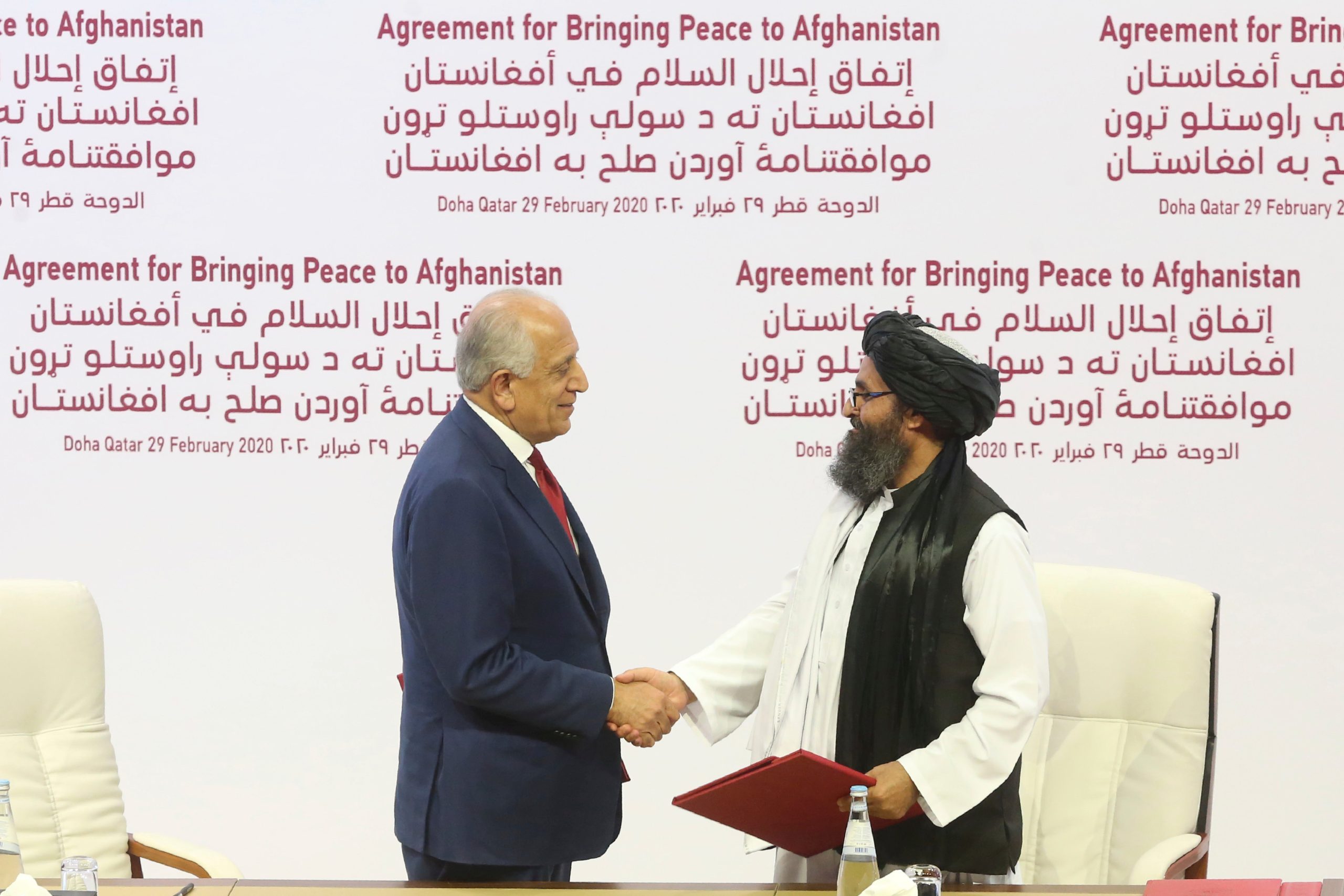 >
>
The shadow of the Afghanistan withdrawal looms. The rushed exit, finalized by the Biden administration but initiated under Trump, resulted in a swift Taliban takeover. A similar “peace” in Ukraine, one that sacrifices long-term stability for short-term resolution, could have equally dire consequences.
Fried rightly emphasizes the dangers of “bad deals signed for the sake of signing something.” It’s a sentiment that resonates with anyone who has witnessed similar scenarios unfold in various contexts. A peace agreement that doesn’t genuinely address the root causes of the conflict and secure Ukraine’s future could, ironically, set the stage for renewed aggression.
The article touches on the complexities. Russia currently occupies roughly 20% of Ukrainian territory. Any deal inevitably demands difficult compromises. Matthew Kroenig observes the ship of a ‘just peace’ has sailed. This is the uncomfortable reality of conflict resolution.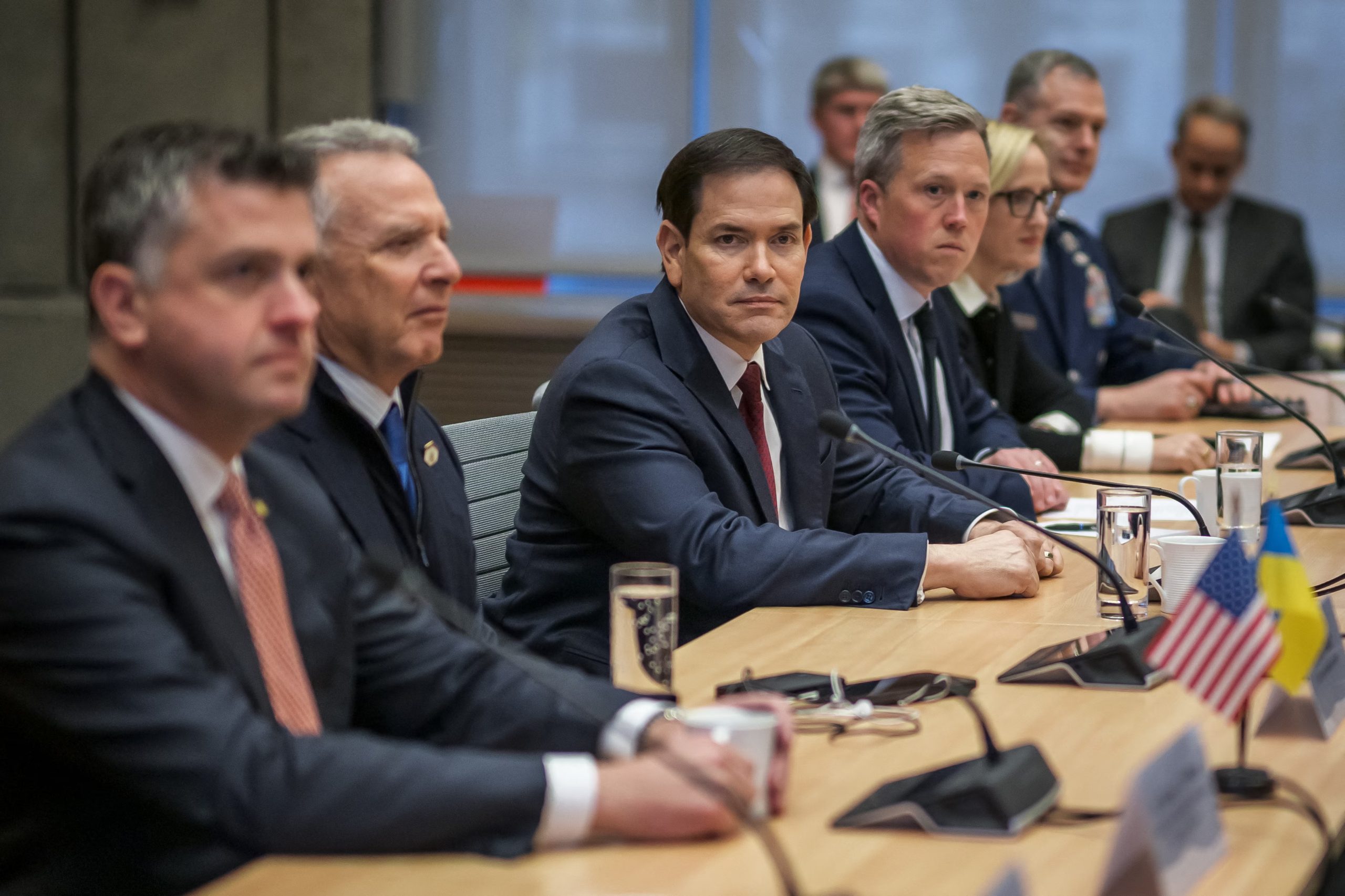 >
>
It’s worth noting that even within the initial 28-point plan, elements offered promise: maintaining Ukrainian sovereignty, potential EU membership, and American security guarantees. These factors could shape a more stable future. However, details matter, and the devil often resides within the specifics.
The crucial goal remains preventing Putin from transforming Ukraine into a puppet state. A guarantee from the US is vital here. A US defense treaty with allies is a better guarantee than the NATO guarantee. This acknowledgement of the balance of power speaks to the geopolitical realities at play.
Journalist Myroslava Gongadze suggests the 19-point plan aims to prevent future Russian incursions. Territorial guarantees and NATO membership remain contentious issues. These are areas Zelensky needs to decide carefully.
It’s vital that the alterations from the initial 28-point plan to the 19-point proposal are indeed geared toward preventing a future Russian re-invasion. Avoiding this is vital.
There are echoes of past negotiations where the urgency for a deal overshadowed crucial details. Will this initiative transcend those historical pitfalls?
The Independent reports Fried believes a decent outcome is still achievable. However, he acknowledges that Russia will only negotiate under pressure. This necessitates a strong and consistent stance. Is the current administration prepared to maintain such resolve? It’s still murky whether the Trump administration will pressure Russia enough.
The situation continues to evolve. Much remains uncertain. Therefore, vigilant monitoring is required. Only time will tell if this peace initiative will bring lasting stability or merely defer future turmoil.

![[post_title]](https://samony.com.ng/wp-content/uploads/2025/11/Jogadores-do-Santos-pedem-penalti-em-Guilherme-diante-do-Sport.webpwidth1200height740-300x185.webp?lm=692A7069 "Neymar’s Goal and Penalty Debate Fuel Santos’ Fight Against Relegation")
![[post_title]](https://samony.com.ng/wp-content/uploads/2025/11/Auras-latest-gift-worthy-digital-photo-frame-is-30-off-for-300x156.jpeg?lm=692A6C32 "Aura Aspen: Black Friday Photo Frame Reality Check")
![[post_title]](https://samony.com.ng/wp-content/uploads/2025/11/Ndarani-SAN-mourns-Sheikh-Dahiru-Bauchi-says-he-was-a-300x300.jpg?lm=692A6871 "Nigeria Without Sheikh Bauchi: Will His Death Ignite Religious Strife?")
![[post_title]](https://samony.com.ng/wp-content/uploads/2025/11/1764387075_Decisao-da-arbitragem-em-Santos-x-Sport-gera-revolta-Clarissimo-300x169.jpg?lm=692A6906 "Santos-Sport Match Highlights Football Officiating and VAR Debate")


![[post_title]](https://samony.com.ng/wp-content/uploads/2025/11/Boko-Haram-Bandits-Have-Declared-War-On-Nigeria-ECOWAS-Should-1024x576.jpg?lm=692A6F8C "Nigeria’s Security War: ECOWAS Intervention and Northern Reckoning")
![[post_title]](https://samony.com.ng/wp-content/uploads/2025/11/Jogadores-do-Santos-pedem-penalti-em-Guilherme-diante-do-Sport.webpwidth1200height740-1024x631.webp?lm=692A706A "Neymar’s Goal and Penalty Debate Fuel Santos’ Fight Against Relegation")
![[post_title]](https://samony.com.ng/wp-content/uploads/2025/11/Auras-latest-gift-worthy-digital-photo-frame-is-30-off-for-1024x532.jpeg?lm=692A6C33 "Aura Aspen: Black Friday Photo Frame Reality Check")
