

Ukrainian naval drones have successfully struck and crippled an oil tanker belonging to Russia’s “shadow fleet,” a crucial component of Moscow’s wartime economy, in the Black Sea. The Comoros-flagged Dashan was targeted while sailing through Ukraine’s exclusive economic zone towards the Russian port of Novorossiysk, according to an official from Ukraine’s Security Service (SBU). The vessel had its automatic identification system deactivated at the time of the attack, a common tactic employed by these ships to obscure their operations.
This latest strike marks the third such attack within a fortnight on the “shadow fleet,” a network of unregulated vessels that enable Russia to circumvent international sanctions and continue exporting oil globally. Dramatic footage released by the SBU shows a significant explosion erupting at the stern of the Dashan, inflicting critical damage on the ship, which is already subject to sanctions from the European Union and the United Kingdom. The SBU source indicated that the tanker is estimated to be worth approximately $30 million, capable of carrying about $60 million worth of oil per voyage.
While the SBU source did not confirm any casualties, the official stated that “The SBU continues to take active measures to reduce petrodollar revenues to the Russian budget.” This operation directly targets Russia’s financial capacity to fund its ongoing military operations. The Dashan has previously faced sanctions from Canada, Australia, and Switzerland for its involvement in transporting Russian oil and operating with its transponder switched off.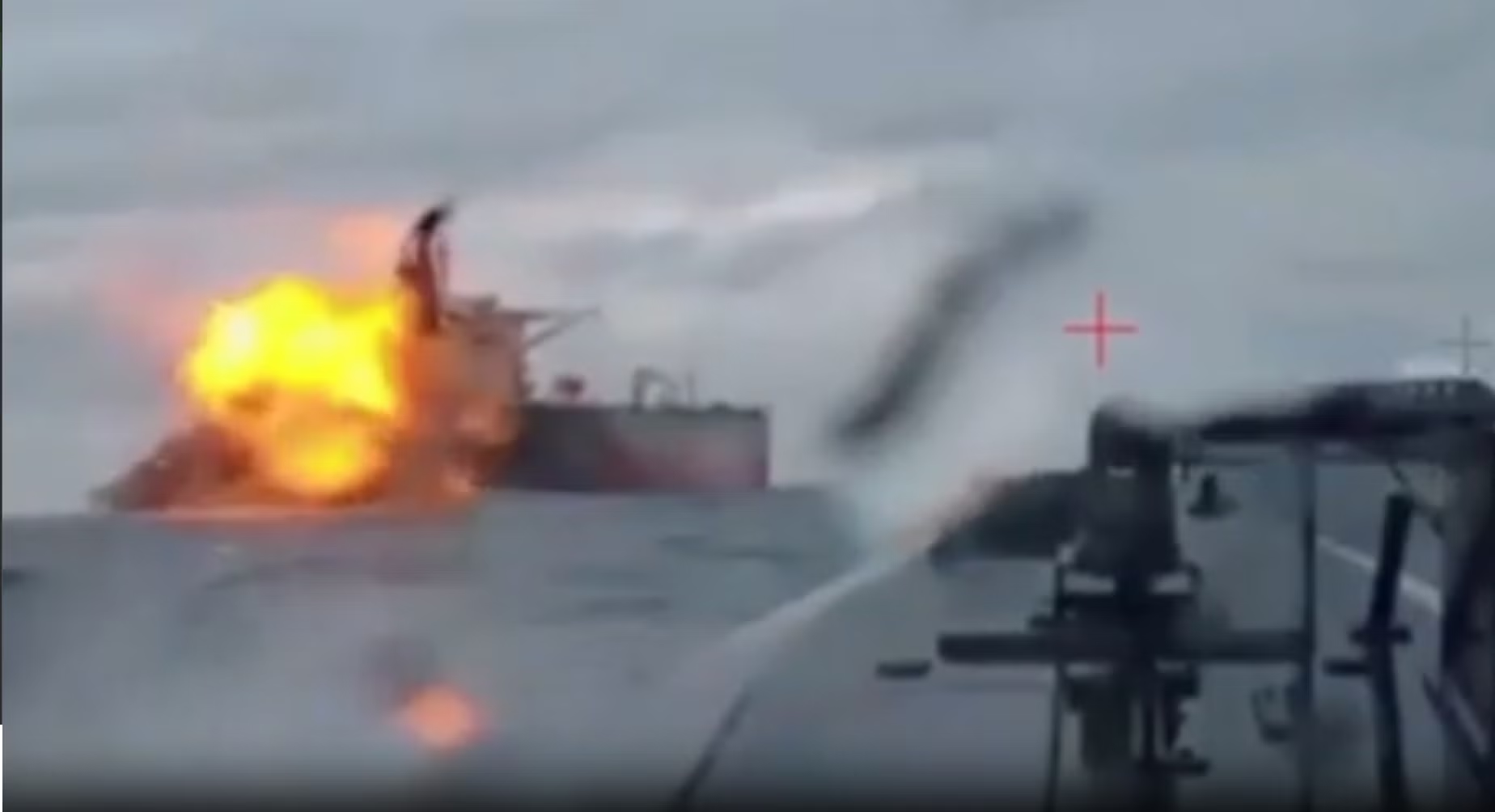
The attack underscores a strategic shift in Ukraine’s defense, with Kyiv increasingly focusing on inflicting economic damage on Russia through strikes on its oil infrastructure and transport. In addition to naval drone attacks, Ukrainian forces have also employed long-range aerial drones to target Russian oil refineries deep within Russian territory. Since the beginning of 2024, there have been at least seven other reported attacks on tankers calling at Russian ports, including incidents in the Mediterranean Sea.
These actions come amidst escalating tensions and threats from Moscow. Russian President Vladimir Putin recently vowed to intensify attacks on Ukrainian facilities and vessels, even suggesting a “radical solution” to cut Ukraine off from the Black Sea entirely to prevent such maritime attacks. This statement suggests a potential for further escalation in the conflict, particularly concerning maritime access and security in the region.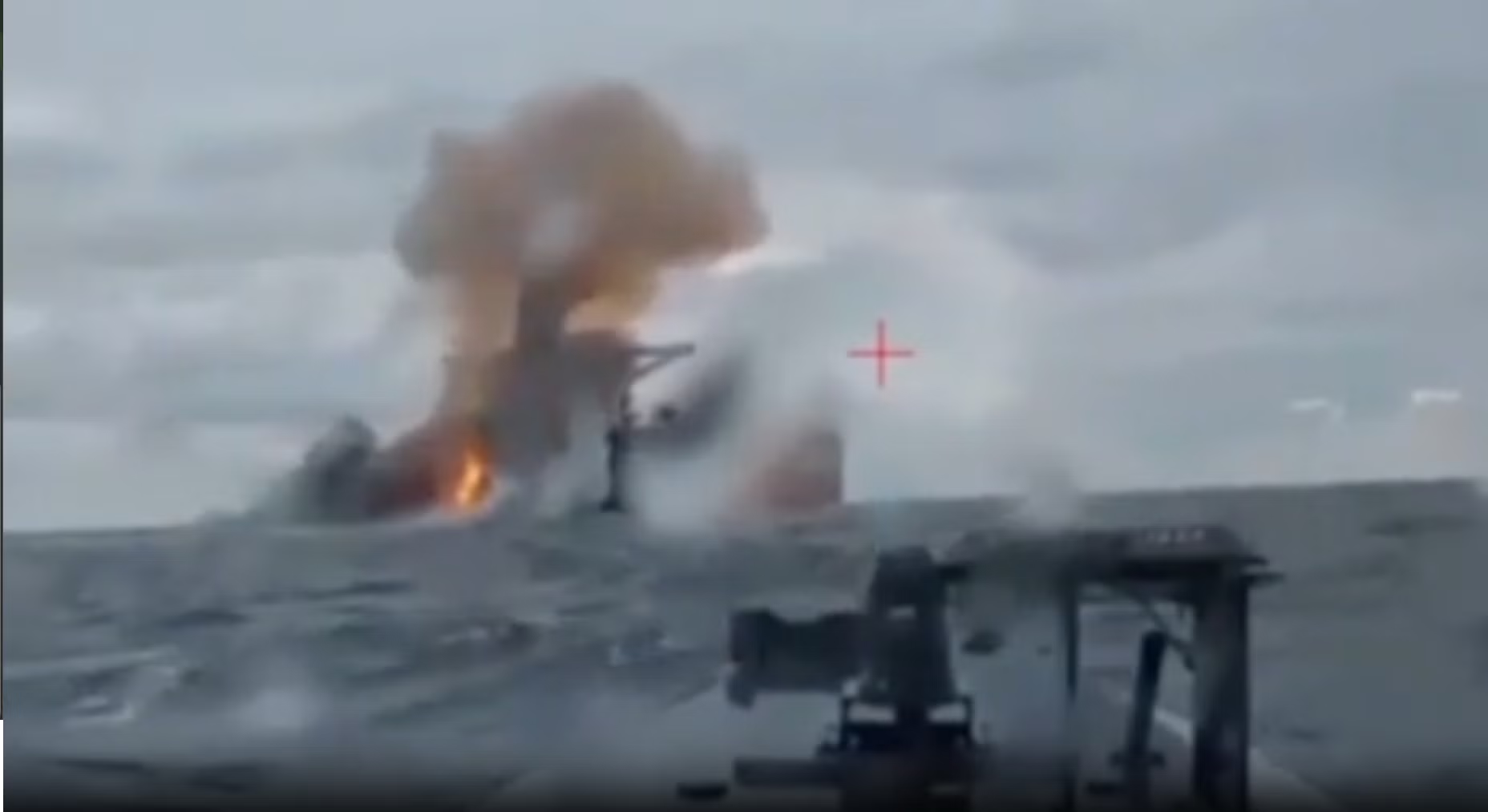
Former SBU officer Ivan Stupak described the strategy behind these attacks as an effort to deter tanker owners from entering Russian Black Sea ports and participating in the lucrative business of loading Russian oil. By making such operations increasingly risky and costly, Ukraine aims to disrupt a vital revenue stream for the Kremlin, thereby undermining its ability to sustain its war effort.


![[post_title]](https://samony.com.ng/wp-content/uploads/2025/12/NYSC-Gowon-hails-corps-members-contribution-to-national-development-300x169.jpg?lm=693AC76D "Gowon Lauds NYSC’s Enduring Role in Nigeria’s Development")
![[post_title]](https://samony.com.ng/wp-content/uploads/2025/12/1765459875_Bonnie-Blue-swipes-at-Olivia-Attwood-saying-brutal-remarks-were-300x158.jpg?lm=693AC7A4 "Bonnie Blue Accuses Olivia Attwood of Ratings Grab")


![[post_title]](https://samony.com.ng/wp-content/uploads/2025/12/1765458694_The-Lands-End-Christmas-shop-showcases-luxurious-knits-cosy-nightwear.jpeg?lm=693AC306 "Lands’ End Unveils Christmas Collection: Knitwear, Nightwear, Accessories")

![[post_title]](https://samony.com.ng/wp-content/uploads/2025/12/1765459544_What-to-expect-from-the-global-economy-in-2026-1024x576.jpg?lm=693AC65A "Global Economy in 2026: A Pivotal Year of AI, Rates, and Shifting Powers")

![[post_title]](https://samony.com.ng/wp-content/uploads/2025/12/NYSC-Gowon-hails-corps-members-contribution-to-national-development-1024x576.jpg?lm=693AC76D "Gowon Lauds NYSC’s Enduring Role in Nigeria’s Development")
