Ukraine’s Shadow Fleet Takedown: A Critical Look at Black Sea Drone Strikes
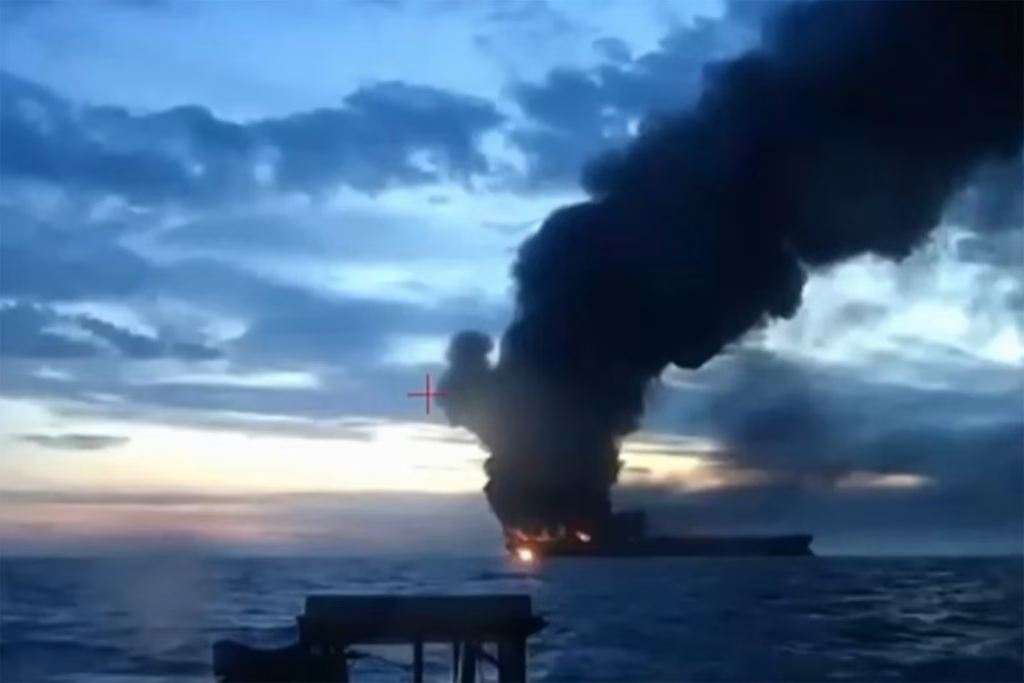
Ukraine’s recent attacks on Russian oil tankers in the Black Sea using Sea Baby drones have certainly sent ripples through the maritime world. Reports suggest the targets, the Kairos and Virat, belong to Russia’s “shadow fleet,” vessels allegedly used to skirt international sanctions. The Independent reports these strikes occurred near Turkey’s coast, prompting rescue operations and raising concerns about maritime security.
It’s easy to see this as a simple case of Ukraine hitting back, targeting Russia’s financial lifeline. Yet, the situation is inherently more complex. These tankers, according to OpenSanctions, are part of a network that helps the Kremlin sidestep sanctions. They are vessels, that attempt to provide billions in revenue, hide under foreign flags, use complex ownership schemes, and pose considerable risks to the environment. So, Ukraine’s strategy is clear: disrupt Russia’s ability to fund its war effort.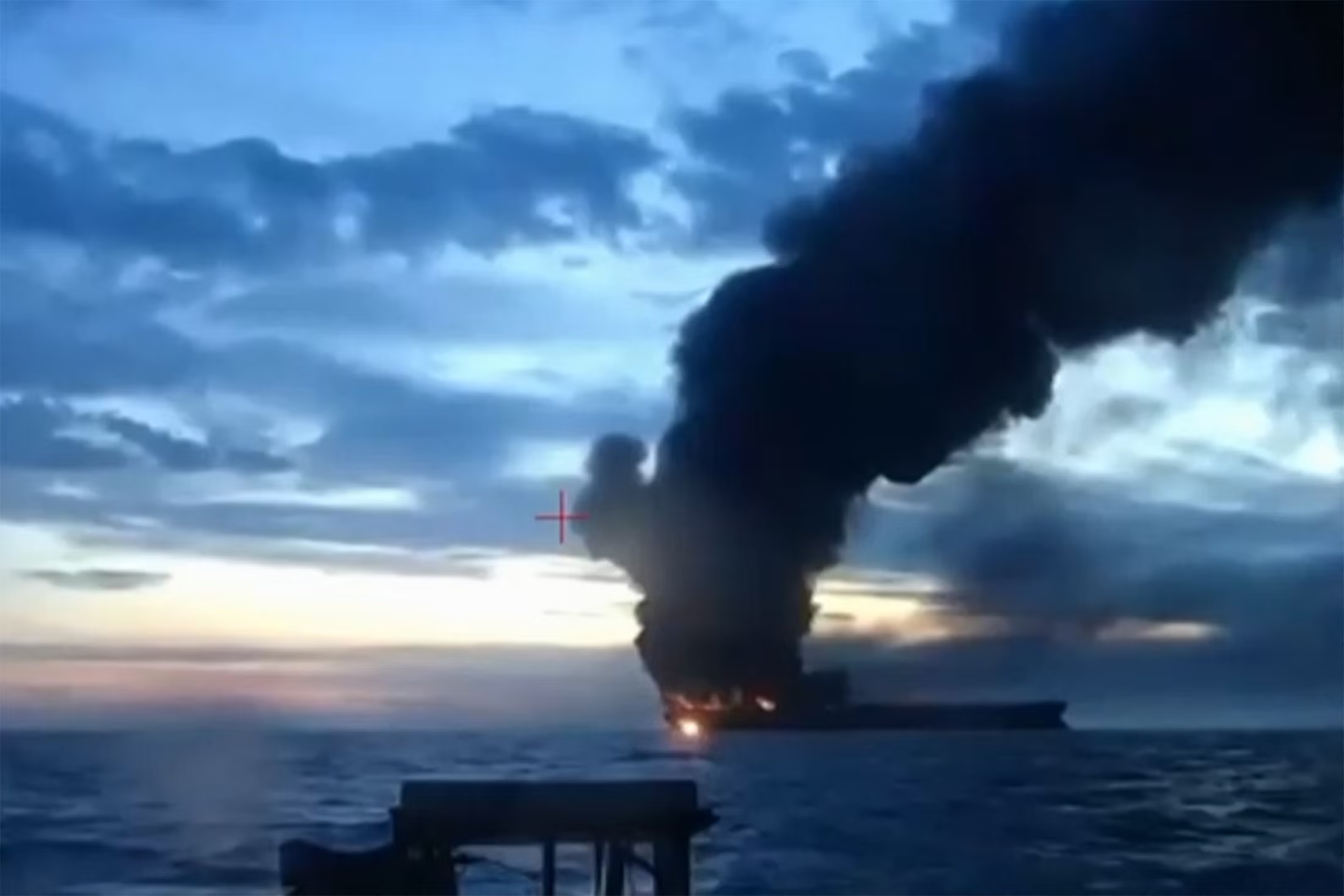 >
>
The broader implications deserve thought. First, there’s the issue of maritime law and the potential for escalation. Striking civilian vessels, even those allegedly involved in sanctions evasion, carries risks. Did these strikes take place in international waters? What are the rules of engagement in this unconventional naval conflict? These are questions that need to be addressed.
Then, we have Turkey’s role. The incidents occurred within Turkey’s exclusive economic zone, raising questions about their security responsibilities. While Turkish authorities are investigating, the lack of immediate clarity regarding the attacks is notable. The initial suggestion that mines or missiles might be responsible before mention of drones suggests a cautious approach, perhaps reflecting Ankara’s delicate balancing act between supporting Ukraine and maintaining relations with Russia.
From what’s been gathered, the Sea Baby drones seem effective. They’ve already proven their mettle in previous attacks on Russian shipping, but these new strikes demonstrate an expanded range and capability. That Sea Baby drones disabled tankers that can transport nearly $70 million is claimed, but this claim needs verification. If confirmed it shows how Ukraine’s marine drone capabilities are developing and expanding. It’s plausible that Ukraine is trying to restrict Russia’s attempts to work around international trade restrictions.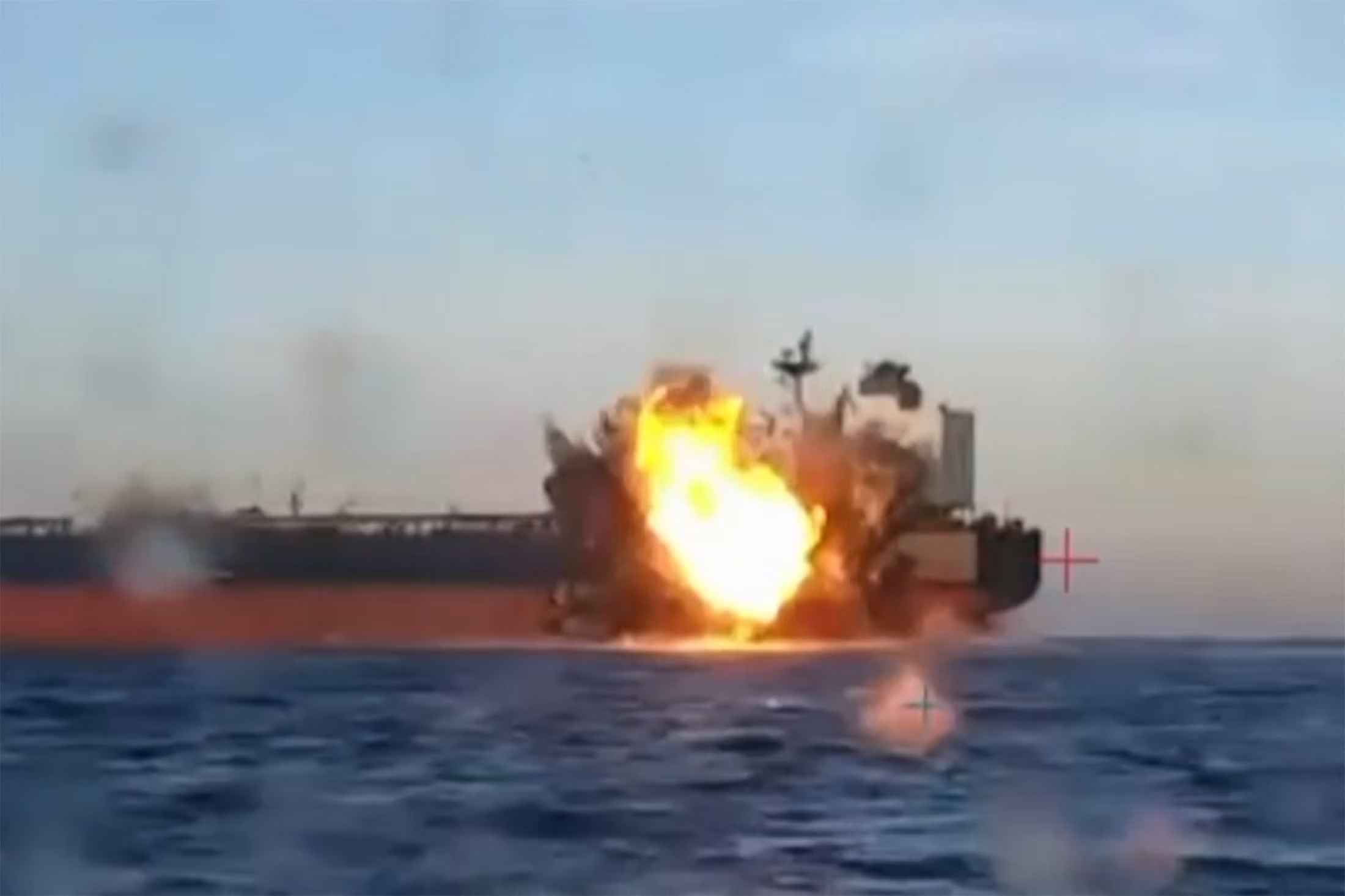 >
>
Still, it’s worth examining the actual impact of these attacks. Will these strikes cripple Russia’s shadow fleet, or will it adapt and find new ways to move its oil? Past sanctions have shown Russia’s resilience, and its capacity to adapt shipping practices. The OpenSanctions database, confirms, both tankers had a history of changing flags, attempting to conceal their ownership, and risky management operations. This suggests the issue is more about closing loopholes than a single successful attack.
We have to remember the ecological ramifications of such attacks. Tankers are inherently dangerous, and even a relatively small spill could cause significant environmental damage to the Black Sea. This is particularly concerning given the region’s already fragile ecosystem. Who is liable for potential environmental damage from these operations?
The information war surrounding these events is intense. Ukraine is keen to showcase its military achievements, while Russia is likely to downplay the damage. Independent verification of these strikes and their consequences is difficult, yet essential. We should approach claims from both sides with a healthy dose of skepticism.
These attacks underscore the evolving nature of modern warfare. Drones are altering the landscape, and naval warfare is no exception. These strikes present a new precedent for how maritime conflict might be waged, with implications for international security. This includes how other nations might utilize similar technologies in future conflicts.
Ultimately, the Black Sea drone strikes are a complex issue with no easy answers. It is critical to disrupt Russia’s revenue streams to undermine its war capabilities. It is still questionable if this strategy will work, and whether or not the environmental risks are worth the reward. The situation demands careful analysis, independent verification, and a balanced understanding of the geopolitical landscape. Only then can we truly assess the significance of these attacks and their potential consequences. The chessboard is definitely changing. It feels like we are just beginning to see how these pieces will move.


![[post_title]](https://samony.com.ng/wp-content/uploads/2025/11/Burna-Boy-THE-GOOD-THE-BAD-and-THE-UGLY.jpg?lm=692BE360 "Is Burna Boy’s Attitude Threatening His Empire?")

![[post_title]](https://samony.com.ng/wp-content/uploads/2025/11/Washington-cleared-to-play-against-Heat-after-back-issue-300x157.png?lm=692BE25A "Washington cleared to play against Heat after back issue")
![[post_title]](https://samony.com.ng/wp-content/uploads/2025/11/Rufai-reveals-monthly-salaries-of-Nigerian-ambassadors-300x193.jpeg?lm=692BE2F5 "Rufai reveals monthly salaries of Nigerian ambassadors")
![[post_title]](https://samony.com.ng/wp-content/uploads/2025/11/1764483075_Energy-sucking-vampire-devices-that-could-save-you-146-if-unplugged-300x158.jpg?lm=692BE006 "Energy-sucking vampire devices that could save you £146 if unplugged")

![[post_title]](https://samony.com.ng/wp-content/uploads/2025/11/1764485591_Premier-League-predictions-and-best-bets-Can-Chelsea-become-title-1024x576.jpg?lm=692BE9D8 "Premier League predictions and best bets: Can Chelsea become title contenders? | Football News")