![[post_title]](https://samony.com.ng/wp-content/uploads/2025/11/1764489446_Trump-tells-airlines-to-consider-Venezuelas-airspace-closed-as-US-1024x683.jpeg?lm=692BF8EB)
Analyzing Trump’s Venezuela Airspace Declaration: More Than Meets the Eye?
Trump’s recent pronouncements about Venezuela’s airspace – essentially telling airlines to consider it closed – raise several interesting questions. It’s easy to dismiss this as just another instance of his characteristic bombast. Still, a closer look reveals a more complex situation with potentially significant implications for airlines, international relations, and even the ongoing power struggle within Venezuela itself.
The initial reaction, predictably, was one of alarm. Airlines, already navigating a complex web of geopolitical risks, faced yet another uncertainty. Several carriers promptly canceled flights. You can’t blame them; safety is paramount. The FAA warning only amplified the concerns, cautioning about the “worsening security situation and heightened military activity.”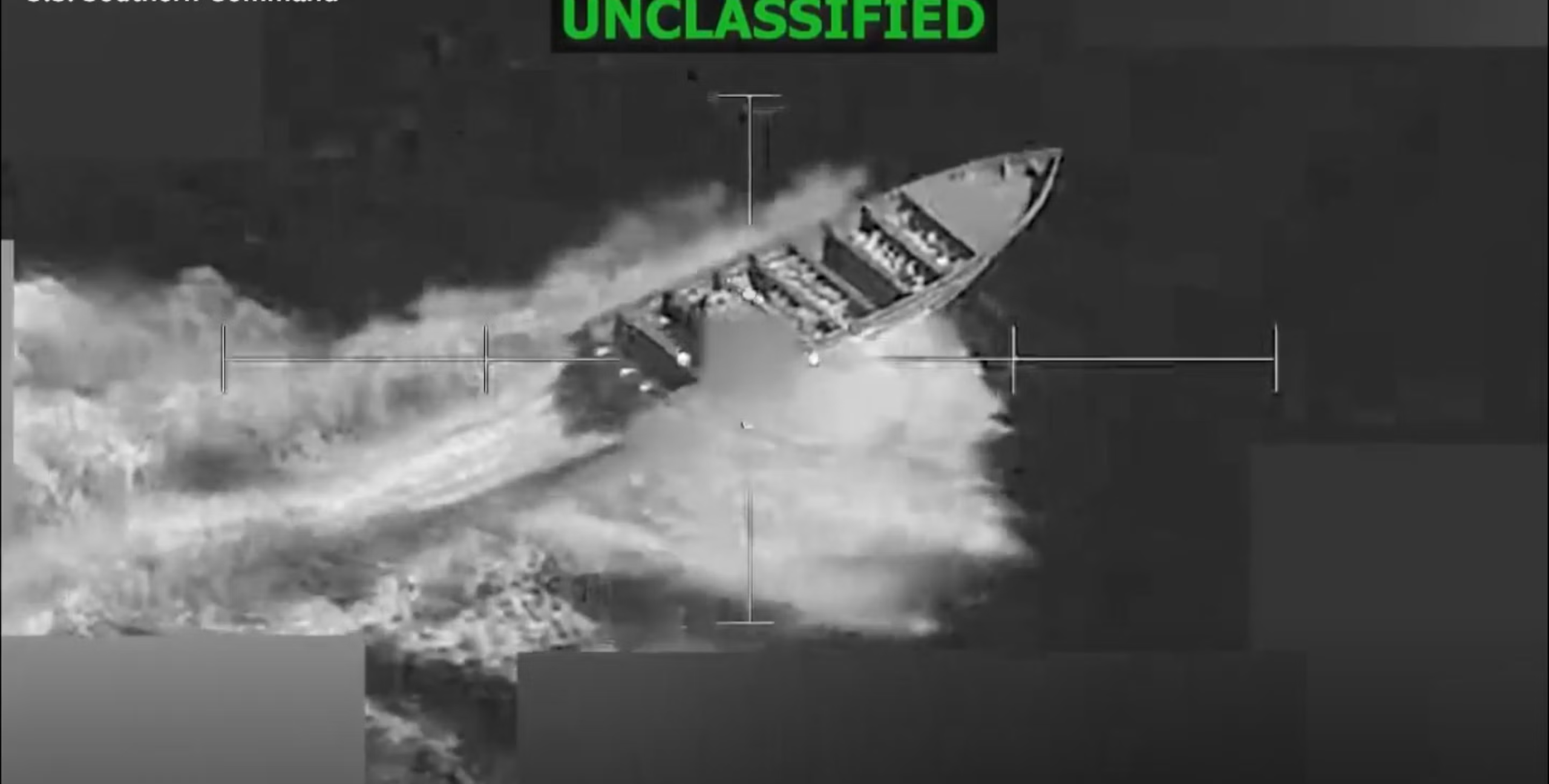 >
>
Yet, consider the source. This isn’t an official declaration from the U.S. government, mind you. It originated from Trump’s Truth Social account. That alone adds a layer of ambiguity. Is this policy, or just a strongly worded suggestion? And what’s the legal standing of such a declaration, especially considering international airspace regulations?
We’ve seen this type of rhetoric before. Remember the “fire and fury” comments directed at North Korea? While alarming, they often served a purpose, creating leverage or setting the stage for future negotiations.
The context matters. The Trump administration has been actively working to ramp up pressure on the Maduro regime. From economic sanctions to indictments and even alleged military posturing, the US government has demonstrated their preference to have Maduro removed from power. This airspace declaration fits into that pattern. It adds another layer of economic and political isolation, potentially disrupting the flow of goods and people.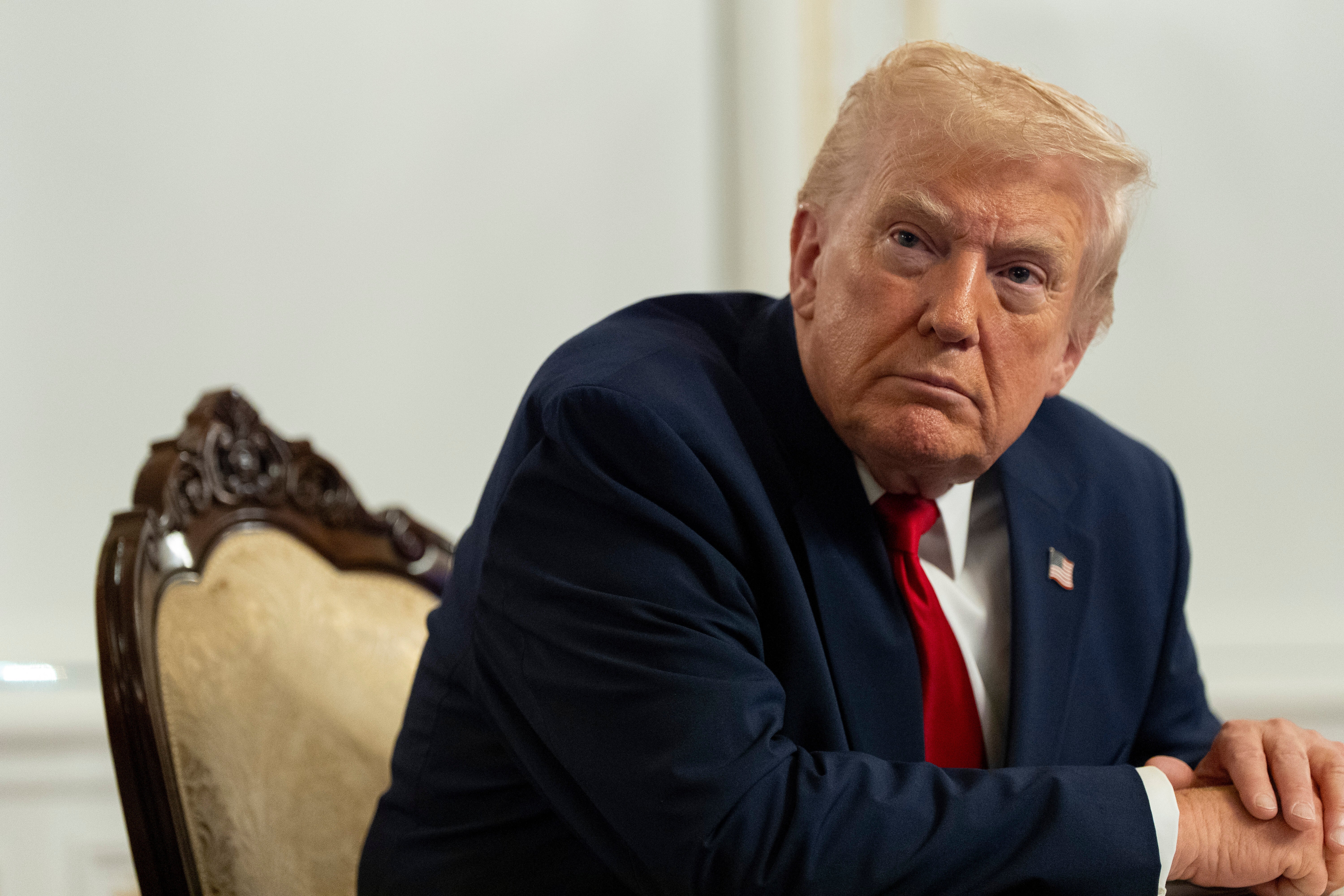 >
>
It’s also worth noting the accusations of Venezuela’s involvement in drug trafficking. The U.S. has designated Cartel de los Soles, allegedly headed by Maduro himself, as a foreign terrorist organization. Trump’s warning to “drug dealers and human traffickers” reinforces this narrative, framing the airspace closure as a measure to combat criminal activity. Pete Hegseth went so far as to defend the strikes against alleged drug-carrying vessels, saying they were lawful. However, this raises serious questions about the legality of such actions under international law. There is also the question if “killing everybody” is an ethical approach in the war against drugs.
On the other hand, Venezuela’s government predictably condemned Trump’s words as a “colonialist threat.” They’re positioning the declaration as an attack on their sovereignty. This will undoubtedly resonate with some within Venezuela and throughout Latin America. It allows Maduro to portray himself as a defender of national pride against U.S. interference, despite his low approval rating.
Consider, too, the human cost. Ordinary Venezuelans, already struggling with economic hardship and political instability, are now further isolated. The closure, even if only partially enforced, limits their ability to travel, conduct business, and connect with family abroad. Residents expressed concerns about being “confined” within Venezuela.
A critical eye might consider the potential ulterior motives at play. Could this airspace declaration be a bargaining chip? Perhaps the Trump administration is hoping to force Maduro to the negotiating table or create conditions that would facilitate a change in leadership. Or is it simply a show of force, intended to appease certain domestic constituencies within the U.S.?
It also emerges Trump and Maduro spoke on the phone around the same time the US government designated Maduro as a leader of a terrorist organization and there were reports of them possibly meeting. This shows the complex diplomacy at play when the US government is interacting with world leaders it wants to get rid of.
Whatever the true intentions, the situation remains fluid. The effectiveness of this de facto airspace closure will depend on how strictly it’s enforced, how airlines respond, and how the international community reacts. It also depends on the response of the Venezuelan military. It also places a question mark over future trade relationships with other Latin American countries who may be involved in similar activities.
Ultimately, analyzing this situation requires more than just taking Trump’s words at face value. It requires understanding the broader geopolitical context, the competing interests involved, and the potential consequences for all parties. It’s a situation ripe with uncertainty, and one that demands careful observation moving forward. This action, coupled with a long history of similar events, is a reminder that world politics is less like a chess game and more like a poker game, with very high stakes.

![[post_title]](https://samony.com.ng/wp-content/uploads/2025/11/1764489745_Hadiza-Aliyu-Biography-Age-State-Of-Origin-Tribe-Husband-Children-300x300.jpg?lm=692BFA13 "Hadiza Gabon: Queen of Kannywood or Media Magnet? The Untold Story Behind the Headlines")

![[post_title]](https://samony.com.ng/wp-content/uploads/2025/11/Im-on-my-lane-Regina-Daniels-flaunts-new-life-300x150.jpg?lm=692BF223 "“I’m on my lane” – Regina Daniels flaunts new life in London, shares happy moments")
![[post_title]](https://samony.com.ng/wp-content/uploads/2025/11/PDP-Condemns-Tinubu-Ambassadorial-List-As-Scandalous-Misaligned-With-National-300x177.jpg?lm=692BF3A9 "PDP Condemns Tinubu Ambassadorial List As Scandalous, Misaligned With National Values – Arise News")
![[post_title]](https://samony.com.ng/wp-content/uploads/2025/11/Im-the-most-ranked-Christian-in-government-Akpabio-boasts-300x169.jpeg?lm=692BF1E7 "‘I’m the most ranked Christian in government’- Akpabio boasts")
![[post_title]](https://samony.com.ng/wp-content/uploads/2025/11/1764487096_I-filmed-my-boyfriend-bonking-an-escort-for-his-birthday-300x158.jpg?lm=692BEFBB "‘I filmed my boyfriend bonking an escort for his birthday – now he wants a re-run’")

![[post_title]](https://samony.com.ng/wp-content/uploads/2025/11/Ukraine-Russia-war-latest-Kyiv-delegation-in-US-for-peace-talks-1024x683.jpg?lm=692BF19A "Navigating the Ukraine Impasse: Shadow Fleets, Shifting Power, and the Elusive Peace")
![[post_title]](https://samony.com.ng/wp-content/uploads/2025/11/1764489745_Hadiza-Aliyu-Biography-Age-State-Of-Origin-Tribe-Husband-Children-1024x1024.jpg?lm=692BFA13 "Hadiza Gabon: Queen of Kannywood or Media Magnet? The Untold Story Behind the Headlines")