

Analyzing Trump’s Ukraine Peace Plan: A Critical Look at Russian Influence
Donald Trump’s proposed 28-point peace plan for Ukraine has ignited a firestorm of debate. It asks Ukraine to concede territory to Russia, abandon NATO aspirations, and welcomes Russia back into the G8. This proposal is raising serious questions about the potential for undue Russian sway in shaping US foreign policy.
The plan faces strong criticism, painted by some as heavily favoring Vladimir Putin. The fact that Trump granted Ukraine’s leader Volodymyr Zelensky a deadline of Thursday to accept the deal adds another layer of complexity. It is easy to feel the weight of a difficult decision ahead for Ukraine.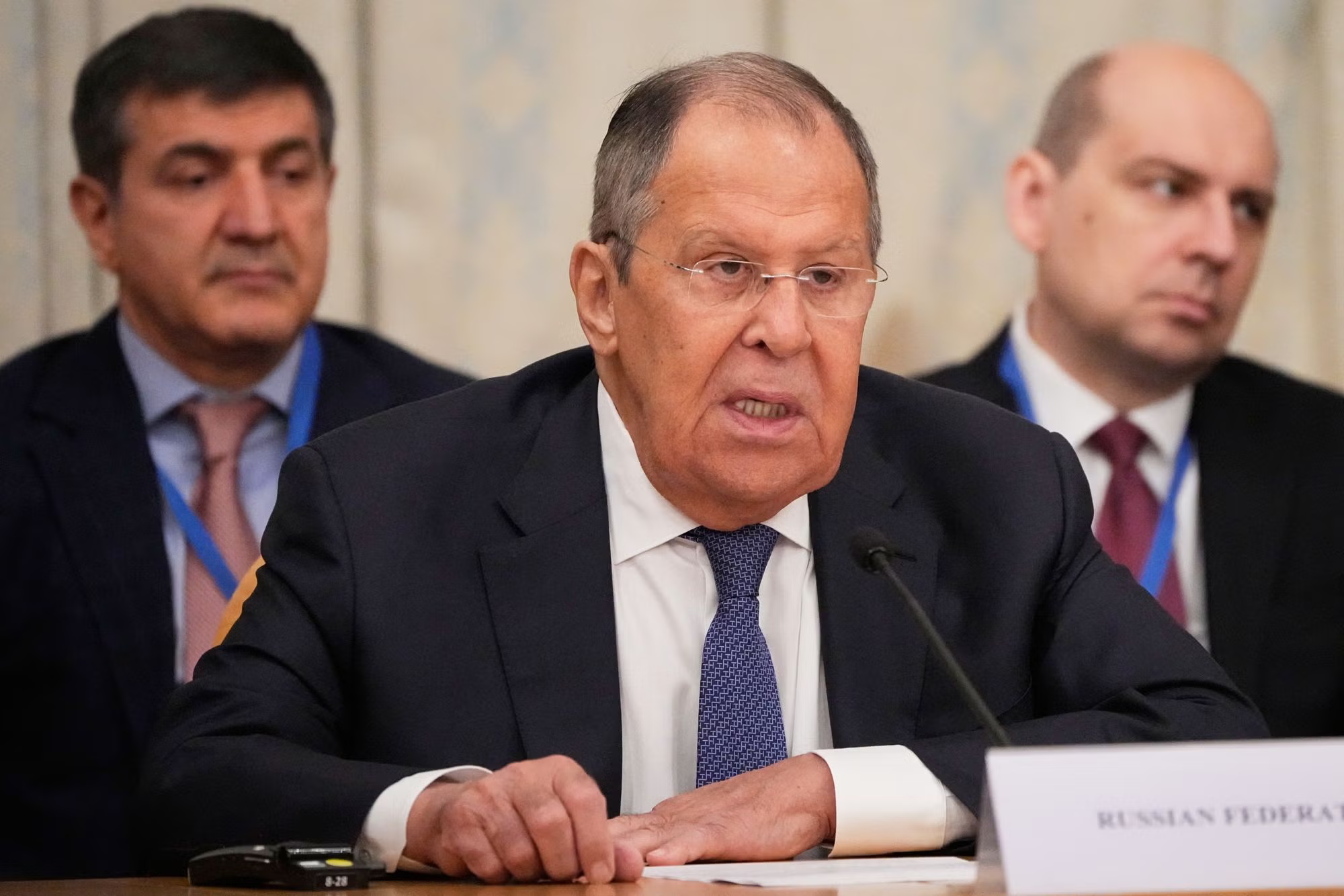 >
>
Fueling these concerns is the revelation that Trump’s administration held meetings with Kirill Dmitriev, a blacklisted Kremlin official, before the plan’s unveiling. This is significant. Dmitriev, CEO of the Russian Direct Investment Fund (RDIF) and a close Putin confidante, is under US sanctions. The sanctions generally restrict American citizens and companies from conducting business with him.
Yet, Trump’s special envoy Steve Witkoff and son-in-law Jared Kushner reportedly met with Dmitriev in Miami. There are murmurs that Witkoff has engaged with Dmitriev multiple times this year. Reportedly, the Trump administration issued a special waiver permitting Dmitriev’s entry into the US. Dmitriev’s own words to Axios, stating “we feel the Russian position is really being heard,” further intensifies these questions.
So, who is Kirill Dmitriev? Born in Kyiv in 1975, he lacks substantial diplomatic experience. Yet, he has become a key figure in behind-the-scenes negotiations related to the war. Those who knew him in his youth describe him as a driven individual fixated on the United States. Dmitriev was actually among the first Soviet exchange students from Ukraine to visit the US in 1989, later studying at Stanford and Harvard.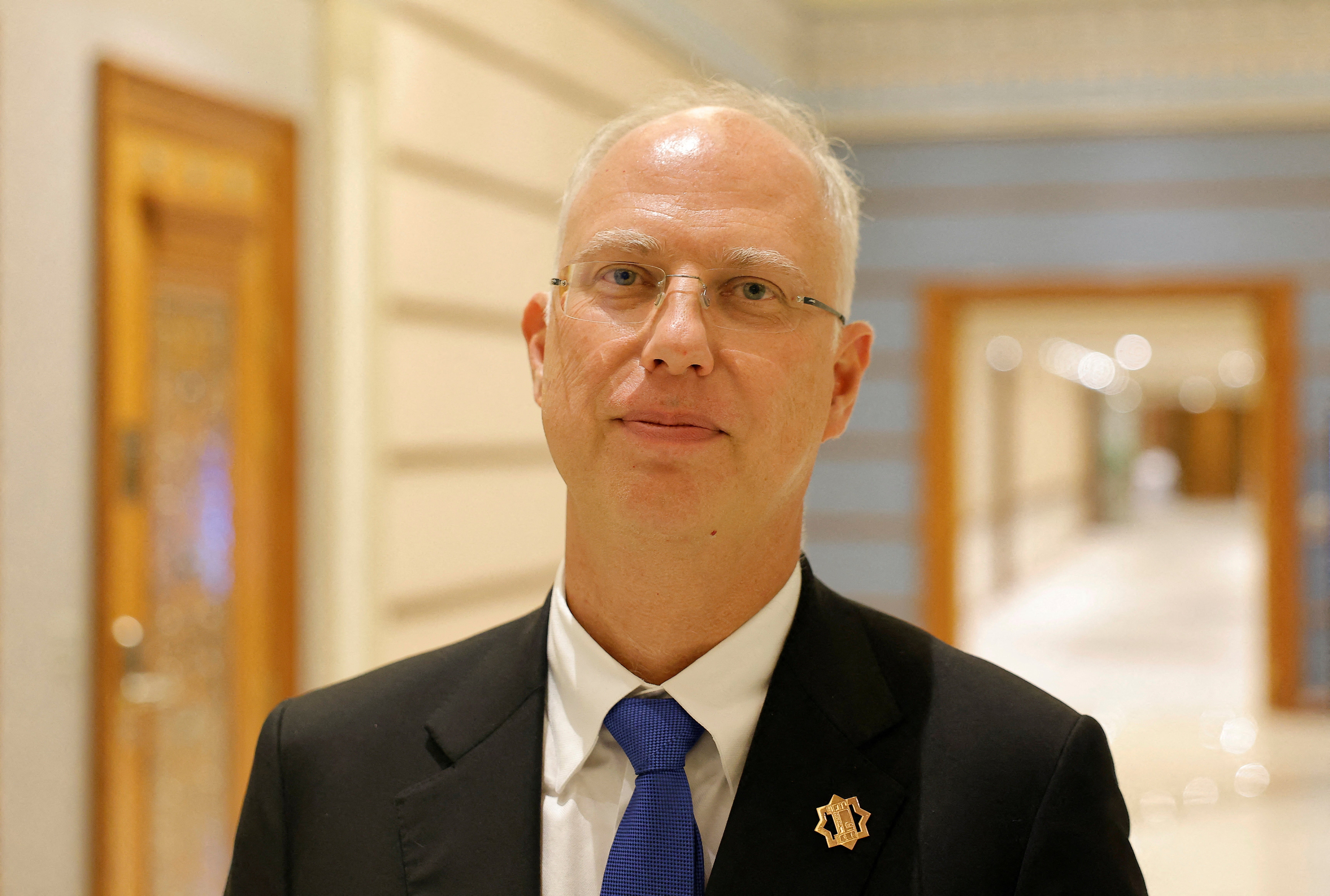 >
>
Dmitriev made his mark in business, working for McKinsey & Company and Goldman Sachs. In 2011, he took the helm of the newly formed RDIF, Russia’s sovereign wealth fund intended for co-investments in Russian companies. Some describe Dmitriev as ruthlessly ambitious, excelling at self-promotion while lacking substance.
The Trump administration’s interactions with Dmitriev are causing consternation within the intelligence community. Dmitriev has a record of using his RDIF position to cultivate relationships with Western governments and businesses, despite the existing US sanctions.
A 2017 meeting with Erik Prince, former CEO of Blackwater and a Trump ally, explored US-Russia relations, according to the Mueller report. This highlights Dmitriev’s long-standing efforts to influence US policy. During the pandemic, Dmitriev collaborated with Kushner on ventilator deliveries to the US, raising concerns about potential sanctions violations.
The US Treasury Department designated Dmitriev a “known Putin ally” when imposing sanctions in 2022. The agency emphasized his leveraging of ties with US universities and organizations. The US Treasury Department also stated that Dmitriev served as a representative for the Russian president to American institutions. He facilitated access to key economic opportunities in the United States.
Over the years, Dmitriev has frequented American television and events such as the World Economic Forum in Davos. He consistently advocated for stronger trade relations between the US and Russia. Even recently, US Treasury Secretary Scott Bessent characterized Dmitriev as a “Russian propagandist” in the context of Trump’s sanctions policy.
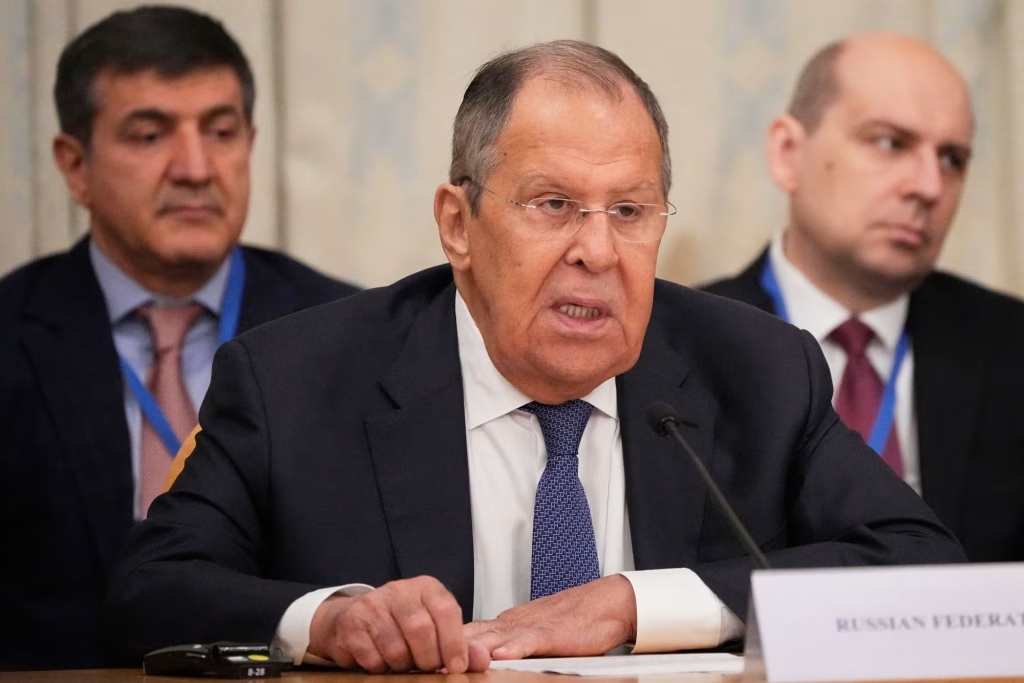
Behind the scenes, things get even more interesting. It seems Dmitriev isn’t universally liked within Putin’s inner circle. Russian reports suggest friction between Dmitriev and Foreign Minister Sergei Lavrov, along with presidential aide Yury Ushakov. This alleged conflict unfolded during a meeting with American officials in Saudi Arabia this past February. Putin reportedly granted Dmitriev a spot in the talks without informing Lavrov, leading to a heated exchange.
The situation underscores the complexity of the US-Russia relationship and the potential for conflicting agendas within the Russian government.
The key question arising from all this is: to what degree did Russian interests shape Trump’s Ukraine peace plan? The involvement of a sanctioned Kremlin figure raises justifiable concerns. While aiming for peace is commendable, it’s crucial to ensure that any agreement truly serves the interests of Ukraine and regional stability. It should not simply be a reflection of Russian objectives.
This calls for a thorough investigation into the interactions between Trump’s representatives and Dmitriev. It is also essential to evaluate the impact of these interactions on the proposed peace plan. We need transparency and accountability. The future of Ukraine, and perhaps the wider geopolitical landscape, hangs in the balance. It’s a situation that demands a healthy dose of skepticism and critical analysis.

![[post_title]](https://samony.com.ng/wp-content/uploads/2025/11/Five-biggest-claims-from-Freddy-Braziers-pregnant-ex-as-she-300x158.jpg?lm=692C774D "Freddy Brazier Split: Celebrity Scandal and Relationship Red Flags")
![[post_title]](https://samony.com.ng/wp-content/uploads/2025/11/1764521849_Elizabeth-Olsen-says-childhood-with-sisters-Mary-Kate-and-Ashley-was-300x200.jpg?lm=692C777D "Olsen Sisters: Fame, Family, and Identity")
![[post_title]](https://samony.com.ng/wp-content/uploads/2025/11/Screaming-Cyber-Monday-deals-on-Bose-Sony-and-Apple-headphones-300x156.jpg?lm=692C7489 "Black Friday 2025: Decoding the Headphone Hype for Best Value")
![[post_title]](https://samony.com.ng/wp-content/uploads/2025/11/1764521537_Nacho-name-Taco-truck-sued-for-trademark-infringement-and-forced-300x200.png?lm=692C7644 "Taco Truck Trademark Takedown: Could This Happen to You?")
![[post_title]](https://samony.com.ng/wp-content/uploads/2025/11/Who-Ordered-Withdrawal-Of-Military-From-Kebbi-School-45Minutes-Before-300x178.jpeg?lm=692C7688 "Kebbi School Attack: Who Ordered Troops to Stand Down? Nigeria Demands Answers.")

![[post_title]](https://samony.com.ng/wp-content/uploads/2025/11/1764522601_Five-Center-Back-Targets-for-Real-Madrid-After-Ibrahima-Konate-1024x576.jpg?lm=692C7A6C "Real Madrid’s Defensive Future: Target Options")
![[post_title]](https://samony.com.ng/wp-content/uploads/2025/11/Five-biggest-claims-from-Freddy-Braziers-pregnant-ex-as-she-1024x538.jpg?lm=692C774E "Freddy Brazier Split: Celebrity Scandal and Relationship Red Flags")
![[post_title]](https://samony.com.ng/wp-content/uploads/2025/11/1764521849_Elizabeth-Olsen-says-childhood-with-sisters-Mary-Kate-and-Ashley-was-1024x683.jpg?lm=692C7780 "Olsen Sisters: Fame, Family, and Identity")
